Guides
#Working3D: Six Questions for a Specialist in Quality Control
Today we bring you a new installment of #Working3D, the series of articles in which we give insight into the different jobs that exist in the additive manufacturing industry. Specifically, we will get to know in detail one of the…
- 3 min read
- Guides
- Six more stories
Today we bring you a new installment of #Working3D, the series of articles in which we give insight into the different jobs that exist in the additive manufacturing industry. Specifically, we will get to know in detail one of the most important aspects in 3D printing: quality control. The main objective of this discipline is to ensure that 3D printed parts achieve the desired result in physical and mechanical terms. This is especially important in the most demanding sectors which are governed by certain certifications that must be met. In this new installment we will understand the day-to-day life of a specialist in quality control for additive manufacturing in the medical sector. We interviewed Anna Cortina, from Avinent, to learn a little more about her professional work and her relationship with 3D technologies.
3DN: Could you introduce yourself?
My name is Anna Cortina and since 2005 I have been working at Avinent Implant System S.L.U. as the Head of the Research and QA&RA (Quality Assurance & Regulatory Affairs) department.
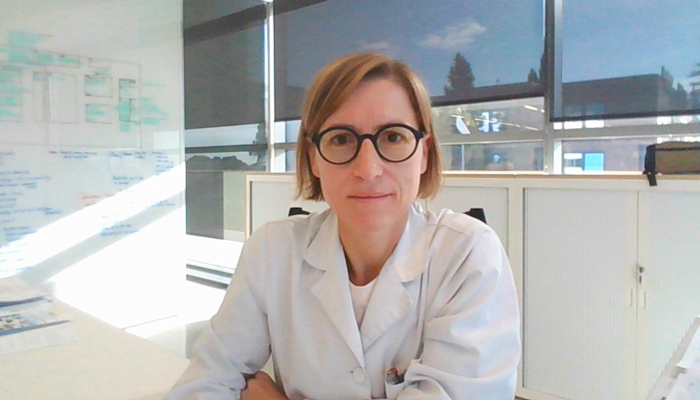
Anna Cortina, head of the Research And QA&RA department.
3DN: How did you discover additive manufacturing?
I discovered additive manufacturing when Avinent started offering customized products and the only way to manufacture them was through this technology. We are mainly talking about customized medical devices linked to craniomaxillofacial surgeries, from an anatomical model to an implantable product, including the corresponding surgical guides. Working together with Avinent’s team of engineers and bioengineers has given me the chance to get to know the technology from scratch and to see the enormous possibilities it offers us and what we can offer healthcare professionals so that the patient is the ultimate beneficiary of this type of manufacturing.
More from the desk
Six other notes from the rest of the bench.
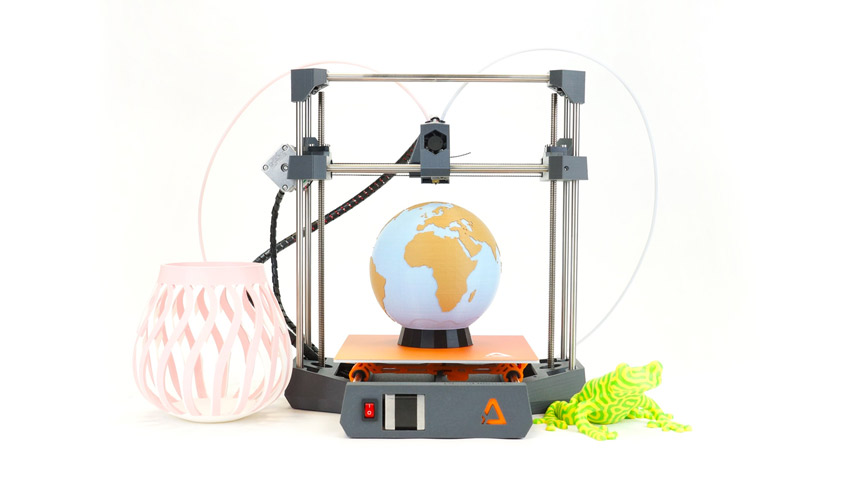 Printers3Dnatives Lab: Testing the Dagoma Disco Ultimate 3D PrinterBased in Roubaix, Dagoma is one of the most successful companies amongst the French manufacturers, well-known for its DiscoEasy 200 DIY 3D printer, sold at a price of less than 300€ ($333). Four years after its debut on the market,…
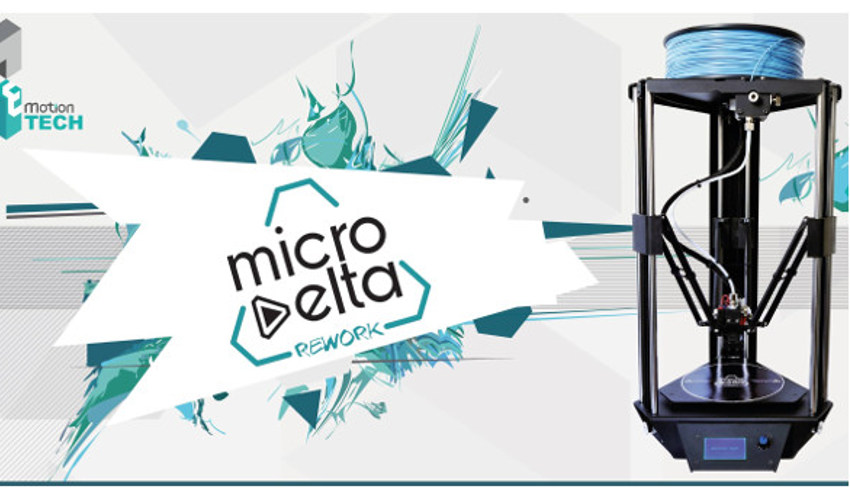 PrintersLab 3Dnatives: MicroDelta Rework 3D Printer TestAs part of our series of 3D printer test articles, the 3Dnatives Lab is committed to testing cheap 3D printers in addition to more expensive, prosumer printers. This time, we are testing the MicroDelta Rework 3D printer kit which retails…
 NewsMango Launches New 3D Printed Accessories CollectionThe Spanish company Mango has launched a collection of 3D printed accessories. Specifically, seven pieces make up the collection: a bag, sandals, a necklace, a choker, a collar, and two different pairs of earrings. This move makes sense when you…
 NewsPrague Receives its First 3D Printed Tram ShelterThe infrastructure of the Czech capital Prague covers a length of 142 kilometers, on which about 991 vehicles are on the road every day, transporting both residents and tourists. Accordingly, the transport company of Prague, which operates the tramway and…
 NewsTop 5 Videos: From Formnext Highlights to 3D Printed SoundCheck out the Top 5 Videos of the Month! We begin with 3Dnatives uncovering the most surprising and innovative discoveries from Formnext 2025. Next, 3D Monotech showcases how large scale additive manufacturing is redefining sustainability and safety in the marine…
 NewsDesigner Jakub Pastuszak Uses 3D Printing for the Museum of Amber in Gdasnk3D printing is another way for artists and creatives to visualize ideas and break new ground in the creation of art objects. In the past, we have already reported on artists who use additive manufacturing to produce lamps, pieces of…