Materials
What Are the Characteristics of Alumina in 3D Printing?
Alumina, also known as aluminum oxide, is a technical ceramic material that occurs naturally in bauxite, a rock that also contains iron oxide. Bauxite is typically purified using Bayer’s process, which extracts a white powder that can then be transformed…
- 3 min read
- Materials
- Six more stories
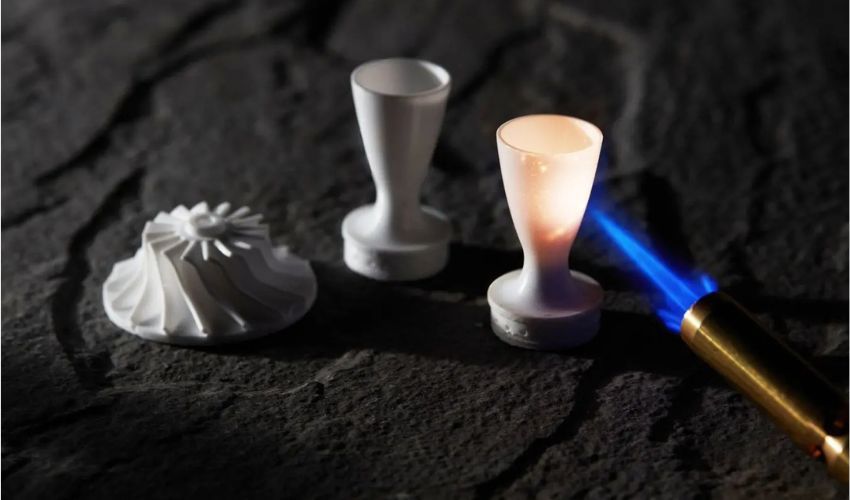
Alumina, also known as aluminum oxide, is a technical ceramic material that occurs naturally in bauxite, a rock that also contains iron oxide. Bauxite is typically purified using Bayer’s process, which extracts a white powder that can then be transformed into aluminum by electrolysis. Alumina is particularly interesting thanks to its chemical, thermal and electrical properties, and is one of the most widely used oxidized ceramics in additive manufacturing. But what are its characteristics, and which processes are compatible with it? Here, we’ll tell you more about alumina in 3D printing.
In 1754, German chemist Andreas Sigismund Marggraf first isolated alumina from alum. A few years later, the Bayer process was used to extract it from the ore known as bauxite. Today, 90% of aluminum oxide is used to produce aluminum, but it is also used as a technical ceramic, offering very interesting characteristics in terms of resistance to temperature and thermal shock. To give you an idea, alumina has a melting point of over 2,000°C. The material offers excellent dimensional stability, wear resistance and electrical insulation. Its hardness is comparable to that of tungsten carbide.
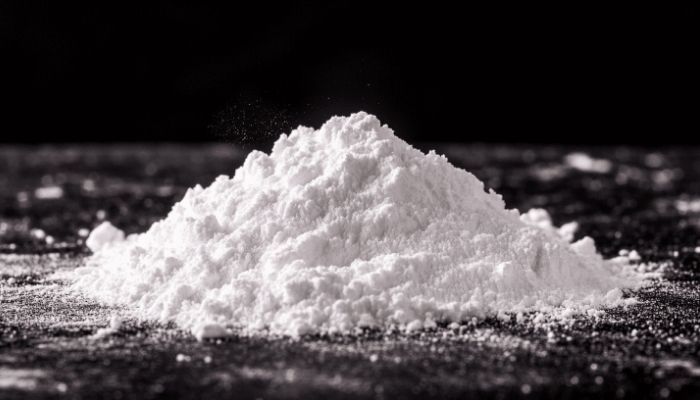
Once extracted, alumina is a white powder (Photo Credits: Itaforte)
Alumina in 3D Printing
Aluminum oxide is a powder that can be used in additive manufacturing in numerous ways. Firstly, the powder can be encapsulated in a plastic filament for use in FDM 3D printing. Once the part is ready, debinding and sintering are required to remove all solvent and plastic and to consolidate the material. It is also possible to use resin additive manufacturing. Post-processing steps will also be necessary to obtain a final part with interesting chemical and mechanical characteristics. Finally, we can mention binder jetting, which can be compatible with ceramics, including alumina. It should be noted, therefore, that alumina printing involves additional post-processing steps, which can lengthen the manufacturing process and add production constraints. However, some market players are seeking to automate this part of the process as far as possible.
More from the desk
Six other notes from the rest of the bench.
 NewsJob Market 2024: What Were the Trends in the 3D Printing Sector?Every year, 3Dnatives conducts a study of the 3D printing job market, highlighting the most relevant trends and developments for the future of the sector. This analysis is based on job offers published on our job board in different languages:…
 ApplicationsStratasys and Express Dental Lab Offer 3D Printed Dentures in Oklahoma3D printing has taken on an important role in the dental field, bringing significant improvements within the industry in recent times. A concrete example can be seen through the Mission of Mercy, an iconic two-day event aimed at providing free…
 MaterialsADDITIV Metals World, the Virtual Event Dedicated to Metal Additive ManufacturingAfter the success of last year’s ADDITIV virtual events, which brought together thousands of additive manufacturing professionals, with key players in different industries, the leading virtual event platform for additive manufacturing is back once again. This time, we’
 Materials3D Printing makes Stainless Steel 3X Stronger!When you think of 3D printing, naturally you think of plastics. However, there is a growing trend towards using metals as a 3D printing material. The visibility of 3D printing metal has grown further recently as HP have announced plans…
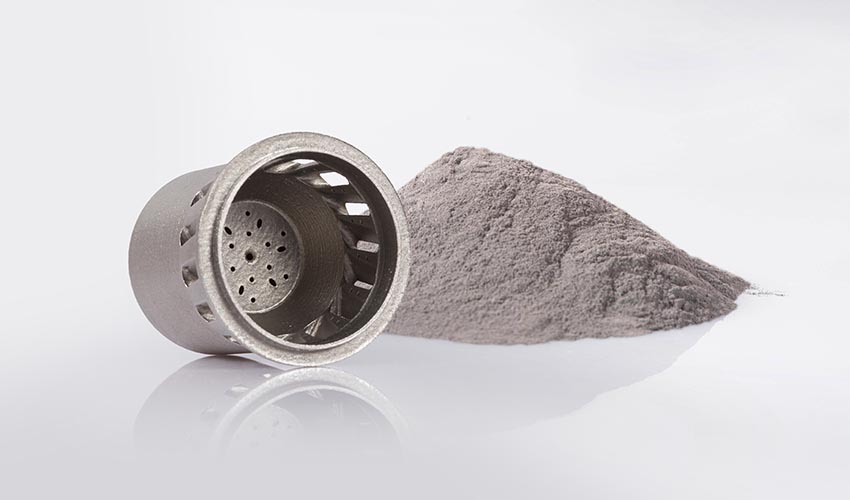 MaterialsEOS releases four new materials for series additive manufacturingEOS has released four new materials to open up new applications in metal additive manufacturing. The four new metal materials are EOS StainlessSteel CX, EOS Aluminium AIF357, EOS TitaniumTi64 Grade 5, and EOS Titanium Grade 23 and they should have…
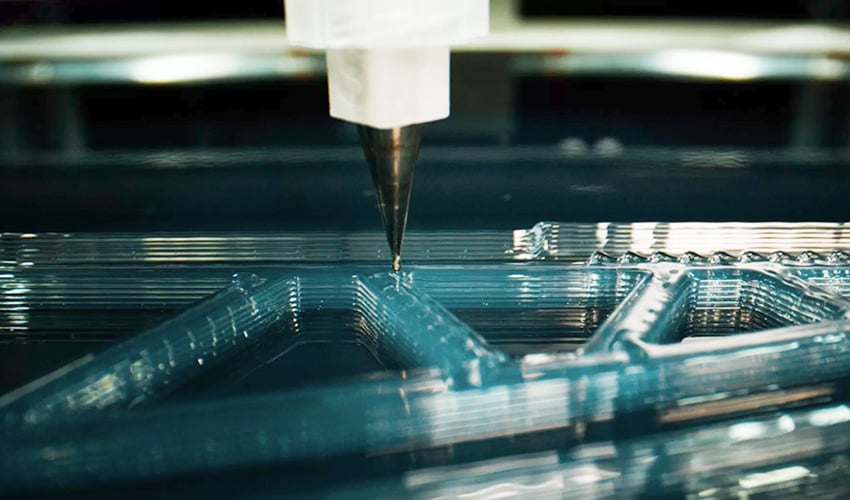 MaterialsThe Complete Guide to Silicone 3D PrintingA major breakthrough has been made in the field of additive manufacturing with the introduction of an innovative technology that enables 3D printing of silicone parts. This new technique has attracted a great deal of interest in the 3D printing…