News
WEBINAR: “Progress & Current Challenges in Online Process Control for L-PBF”
Process control in Laser Powder bed Fusion (L-PBF) is often referred to as the holy grail for for industrial metal 3D printing. Though only offered by certain companies and machines, process control significantly reduces errors in printing which in turn…
- 3 min read
- News
- Six more stories
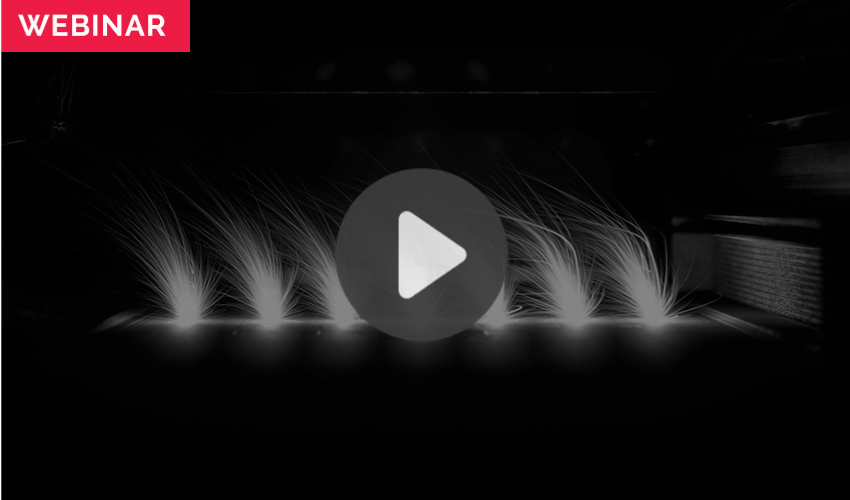
Process control in Laser Powder bed Fusion (L-PBF) is often referred to as the holy grail for for industrial metal 3D printing. Though only offered by certain companies and machines, process control significantly reduces errors in printing which in turn results in much higher quality pieces. It is especially important to control the 3D printing processes when working with L-PBF, since it is such an industrial process. Not to mention an expensive one as it deals with metal particles, laser and heat, leaving no room for error. Additionally, process control is critical for producing high-quality metal parts for end-use applications in sectors like the automotive, aerospace and medical industries.
3Dnatives’ webinar “Progress & Current Challenges in Online Process Control for L-PBF”, took place on March 30th at 4PM CEST (10AM EDT), will allow attendees to learn more about process control in L-PBF, including how it works and how users can take advantage of it in their industrial printing. We were joined Dr. Yves Hagedorn, the CEO of Aconity3D as well as Ryan Sommerhuber, an Application Engineer from XARION Laser Acoustics. Aconity3D is one of the leading companies offering process control solutions in this field and XARION Laser Acoustics depend on process control solutions as they work on the world’s first membrane-free optical microphone without any moving parts.
This webinar showed efficient solutions for allowing reliable process control, ranging from from full control of applied parameter sets to over automated inline process adaptations all the way to applying modifiable beam shapes for full temperature control. You will be able to learn about topics like how applied parameter sets may be accessed remotely via open Python API to enable customer specific build routines or off-line layer-to-layer parameter adaption. There was also a discussion on automated inline process control, wherein characteristics of a variety of different sensor types for extracting process information during the print are compared and a comprehensive approach for true inline process adaption is presented. You can find the replay of the webinar below.
More from the desk
Six other notes from the rest of the bench.
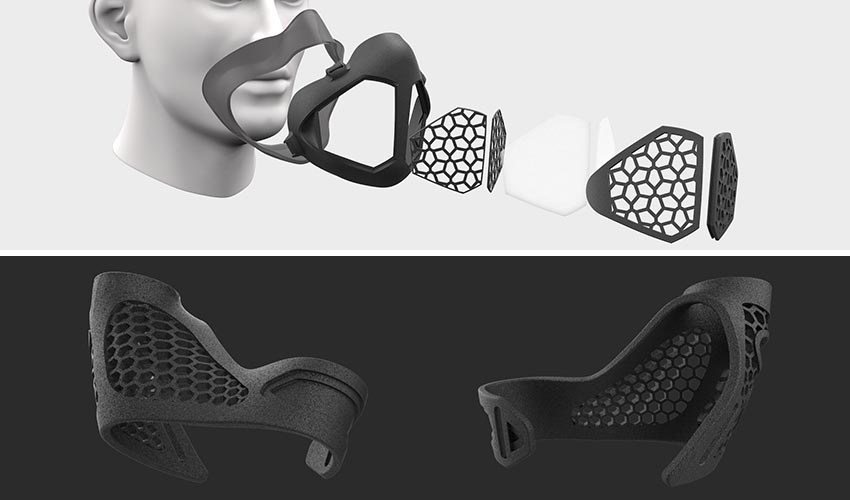 SoftwareShapeshift 3D on developing AM software for mass customizationShapeshift 3D develops software to streamline and digitize the production process from 3D scanning to 3D printing of customized wearables. One of the main benefits of additive manufacturing is that it enables a great degree of design freedom, meaning that…
 NewsBCN3D Announces New Company, Supernova, to Run VLM BusinessBack in 2022, leading IDEX 3D printer manufacturer BCN3D made waves when the company announced the new Viscous Lithography Manufacturing (VLM) technology. However, since then, we have heard little about the groundbreaking process. That changed today when BCN3D held a…
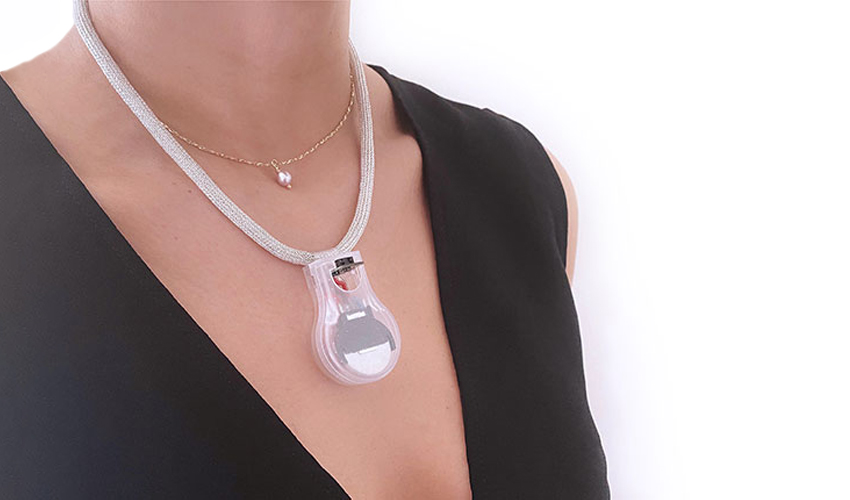 NewsPULSE, the 3D printed necklace that reminds you not to touch your faceAs we know, the global pandemic caused by Covid-19 has mobilized the additive manufacturing community to seek rapid and efficient solutions to combat the virus. Today, a couple of months after the pandemic reached its peak, it is time to…
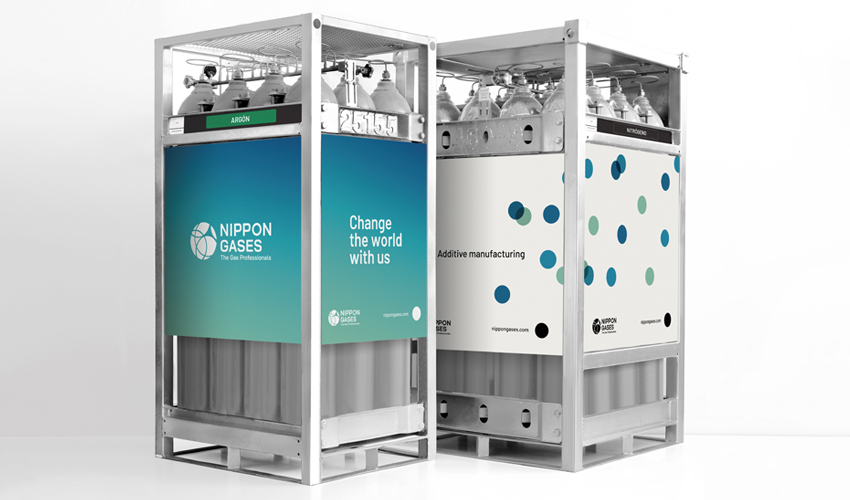 GuidesNippon Gases on Developing Gases for the Additive Manufacturing SectorIn additive manufacturing processes, many different systems coexist to ensure that the machines run smoothly to produce quality parts. One of them is the supply of gases for processes where stable temperatures are required – this is the case with…
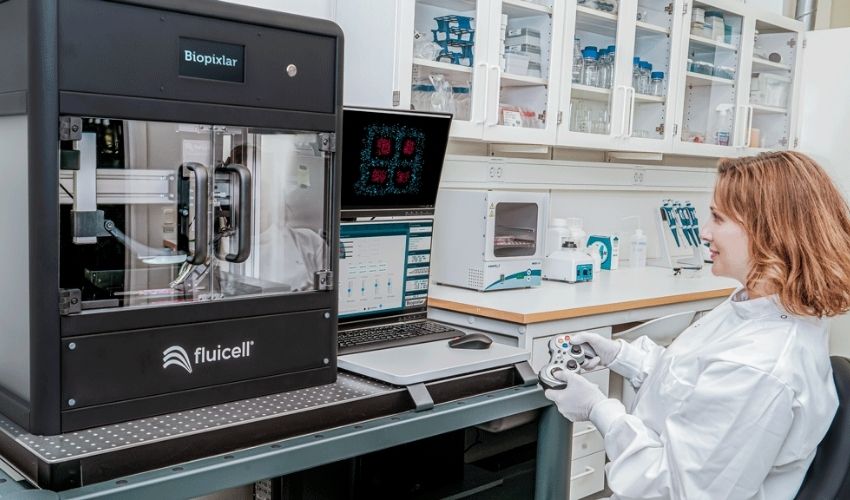 ApplicationsFluicell Develops Advanced BioPrinted Products for DiabetesThe field of medical bioprinting is rapidly advancing. Particularly, quite a bit of progress had been made in the medicinal application of 3D printing technologies for people living with diabetes. Companies have created 3D-printed pancreas models for childhood diabetes research,&
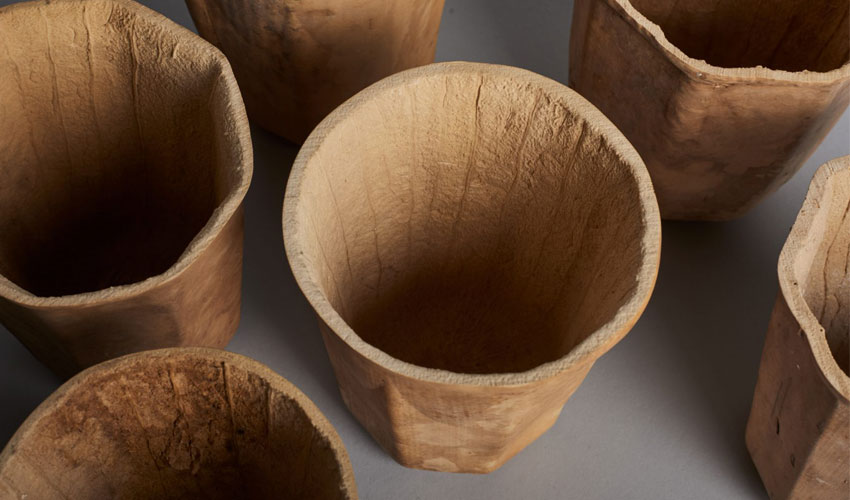 MaterialsHyO-Cups; vegetable cups designed with 3D printingWhat if you could create coffee cups from vegetables? This is the idea behind this project led by the design studio Crème that grew squash in molds to make biodegradable cups, called HyO-Cups. The reason for us talking about this initiative is…