News
Wall Thickness in 3D Printing: All You Need to Know
In additive manufacturing, avoiding print failures is paramount, no matter what technology is being used. And for both those starting out and experienced users, there are various traps that they can fall into which make their part not turn out…
- 3 min read
- News
- Six more stories
In additive manufacturing, avoiding print failures is paramount, no matter what technology is being used. And for both those starting out and experienced users, there are various traps that they can fall into which make their part not turn out as desired. One of these extremely important but often overlooked considerations for 3D printing is wall thickness.
Not to be confused with infill or layer height, wall thickness refers to the measure of the thickness of the outer wall or shell of a 3D printed part, excluding the top and bottom. Unlike internal structures which can vary in solidity (usually defined by a percentage and a pattern), walls are always solid and play a critical role in ensuring stability and strength of a part. But what is the minimum wall thickness? How can users know if their settings are correct? Why does it matter? We took a closer look at these questions and more in the following guide.
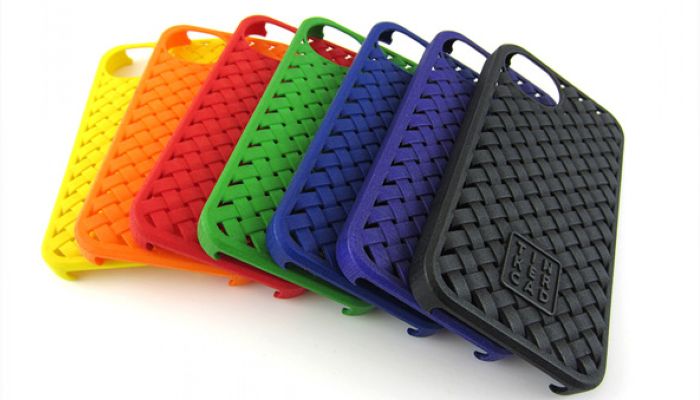
Wall thickness refers to the outside shell of the part (photo credits: Materialise)
Why Is Wall Thickness Important in 3D Printing?
Now you may say to yourself, with so many different parameters to keep track of when 3D printing, what makes wall thickness so important? Well, it is crucial to ensuring not just aesthetic qualities, but also strength and durability. If a wall is too thin or too thick, then the part may not work as intended. Indeed, some say it may even be more important than infill for quality of the final 3D printed part.
More from the desk
Six other notes from the rest of the bench.
 NewsECO 3D: The latest economic news in 3D printing for AugustProgress towards the future of 3D printing continues to grow, whether it be in the introduction of new, promising technologies, or within the production chain of a company who has implemented additive manufacturing to propel their production even further. In…
 ApplicationsPOSTECH 3D Print First-of-its-Kind Lung ModelAs winter gives way to spring the newly bloomed flowers and warm weather bring with them dust, unperceived by most but an anguish to those suffering from respiratory diseases. For them, this year and last, tainted by Covid-19, has amplified…
 ApplicationsInfographic: 3D Printing for Assisting with DisabilitiesDisability can be understood as any condition, whether physical, sensory, cognitive or developmental, that affects a person’s ability to carry out daily activities or participate fully in society. For millions of people worldwide, these limitations shape how they access education
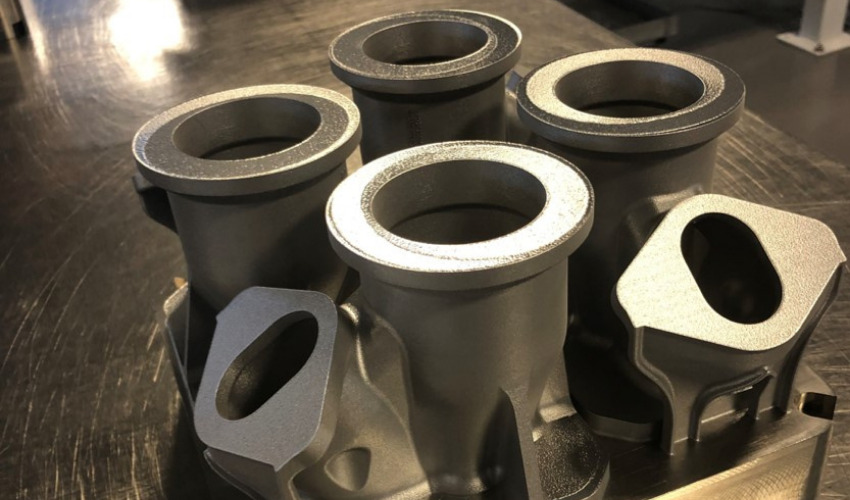 NewsGE Aviation Switches to Metal AM for Four Parts, Cutting Costs by 35%Can metal additive manufacturing replace traditional casting in aviation sector? GE certainly seems to think so. A collaboration between GE Aviation and GE Additive has prompted the manufacturer to switch from investment casting to metal additive manufacturing (AM) for four&helli
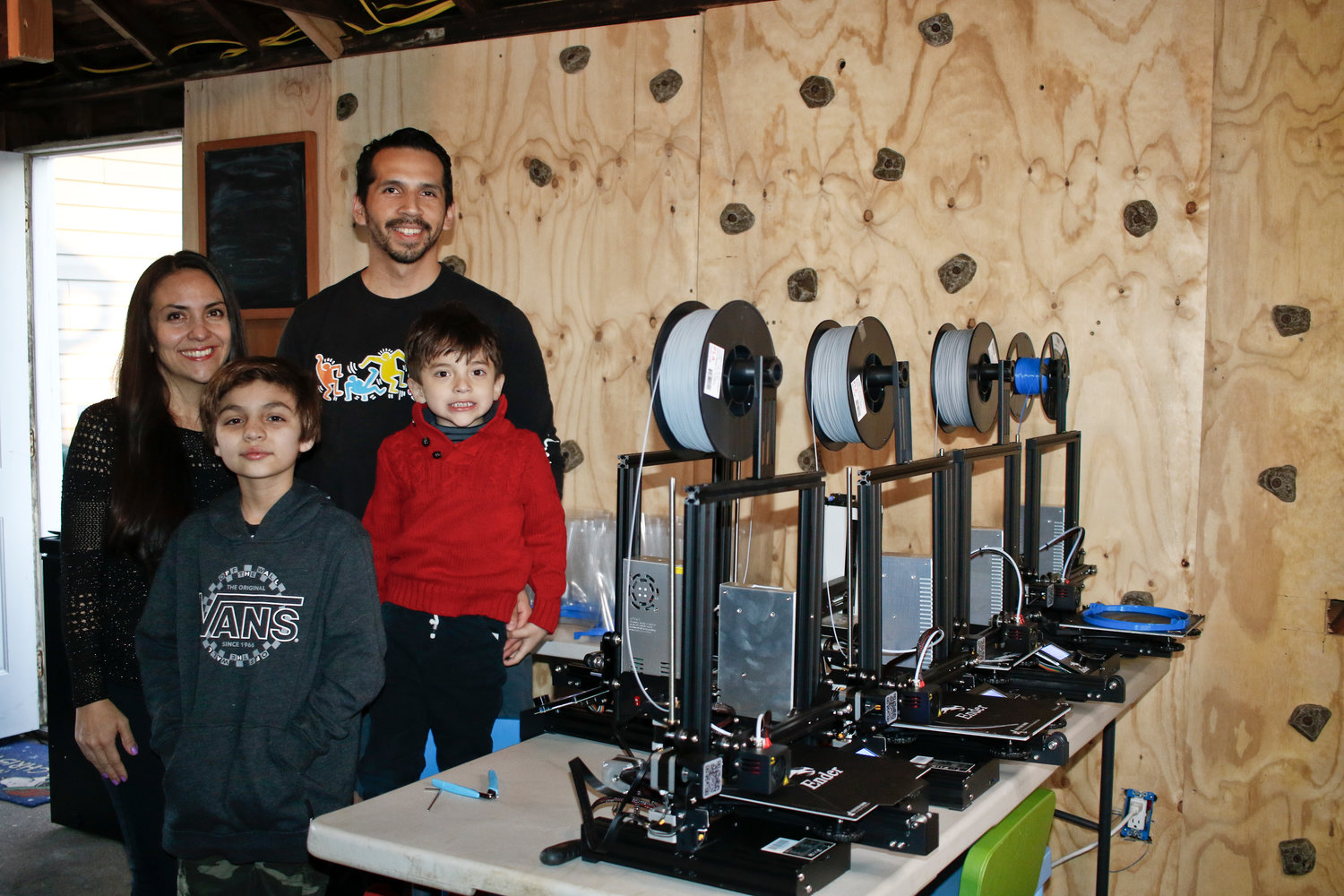 NewsHow the Maker Community reacted to PPE ShortagesFollowing COVID-19’s evolution from epidemic to pandemic, fear of PPE shortages in hospitals quickly became a reality for many countries across the world which has yet to subside. The 3D printing industry reacted quickly. In the last year we’ve seen…
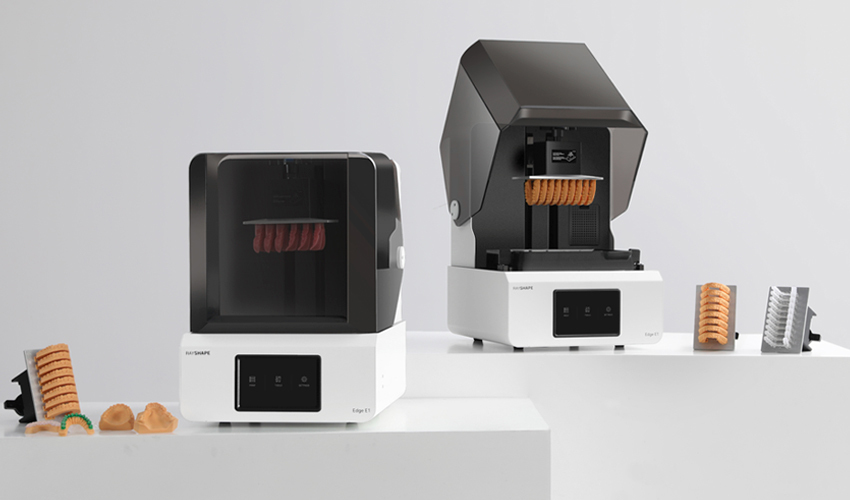 PrintersEdge E1, RAYSHAPE’s New 3D Printer for Digital DentistryChinese manufacturer RAYSHAPE, known for its DLP 3D printing solutions, continues its expansion in the resin additive manufacturing market. Most recently, it has announced the launch of a new 3D printer, the Edge E1, intended for use in the dental…