News
US, Germany Invested Millions in Subsea Energy Storage Utilizing 3D Printing
At a time when climate change is becoming an increasing threat to our planet, it is critical to start adopting sustainable energy sources and technologies. The project Stored Energy in the Sea (StEnSea) was developed in 2012 for that reason.…
- 3 min read
- News
- Six more stories
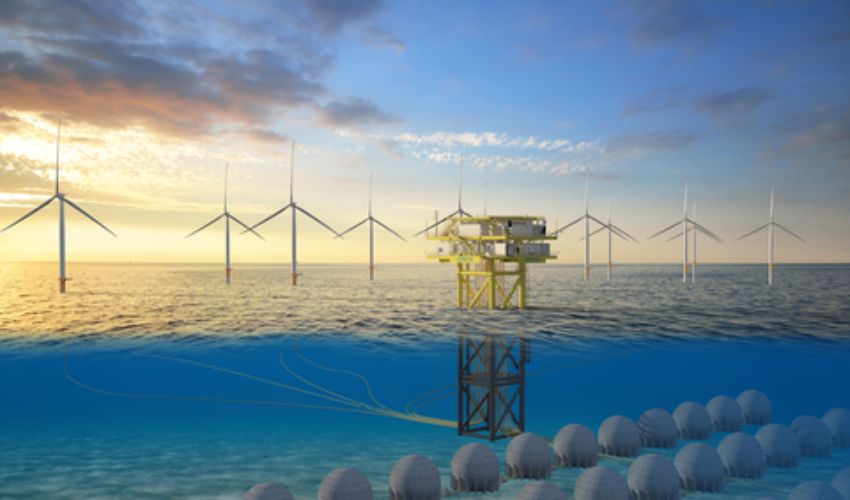
At a time when climate change is becoming an increasing threat to our planet, it is critical to start adopting sustainable energy sources and technologies. The project Stored Energy in the Sea (StEnSea) was developed in 2012 for that reason. Conceived by the German Fraunhofer Institute and supported by Sperra and PLEUGER, the project aims to revolutionize long-duration energy storage by adapting the principles of pumped storage hydropower for subsea environments. Notably, the technology leverages 3D printing.
The project enables a unique approach to energy storage by putting hollow, 3D printed concrete spheres on the seabed at depths of 600 to 800 meters. These spheres are adaptable. When the electricity demand is low, the spheres are emptied of water using PLEUGER’s submersible pumps to store potential energy. When the electricity demand is at its peak, water can flow back into the spheres, turning the pumps into turbines that generate electricity.
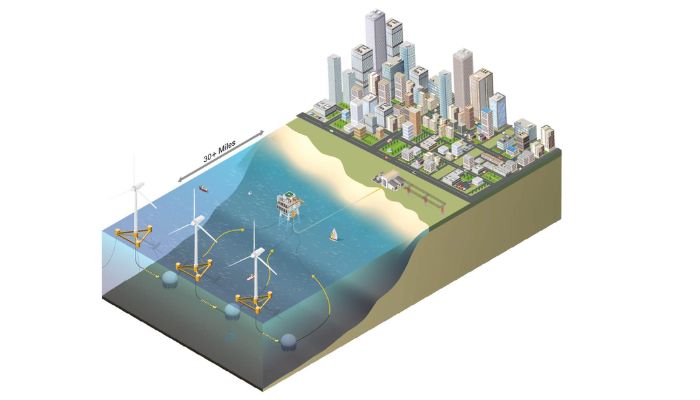
Image credits: Sperra.com
The method has an effect similar to traditional pumped storage hydropower but is adapted for the subsea environment. The system takes advantage of ocean pressure to store and release energy efficiently. Additionally, the solution addresses the demand for scalable, efficient energy storage that is compatible with renewable energy sources, reducing reliance on fossil fuels and stabilizing power grids.
More from the desk
Six other notes from the rest of the bench.
 MaterialsFlame Retardant Plastic Materials for Additive ManufacturingIn critical applications, fire safety is non-negotiable—and 3D printing is rising to the challenge. In recent years, we’ve seen a surge in fire- and flame-retardant materials tailored for additive manufacturing, available as filaments, resins and powders. These materials ar
 NewsAML3D Moves Into US Utilities Through Sale of 3D Printer to TVAThis year, we have seen a surge in popularity in large-format additive manufacturing solutions. Directed energy deposition especially has seen quite a lot of buzz, with applications in aerospace and defense taking center stage. Now there is yet another. AML3D…
 NewsIncreasing the interlayer adhesion of 3D printed parts to enhance their strengthResearchers at Texas A&M University and Essentium scientists have developed a method to enhance the interlayer adhesion of a 3D printed plastic part. By integrating carbon nanotubes and plasma science directly into the manufacturing process, they would be able to…
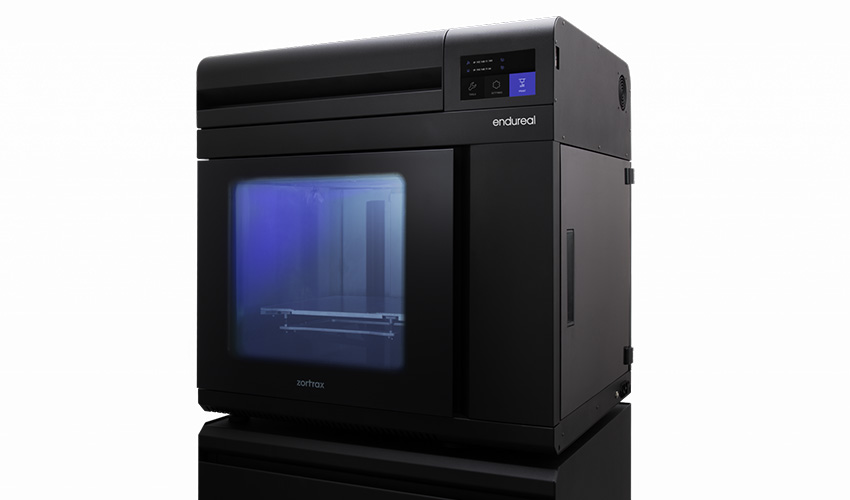 PrintersZortrax is launching a third generation industrial 3D printerZortrax is launching a third generation industrial 3D printer, designed for industry and production lines. It is named Endureal and will be unveiled at the TCT Show in Birmingham between the 24th and 26th of September. For Zortrax, this is…
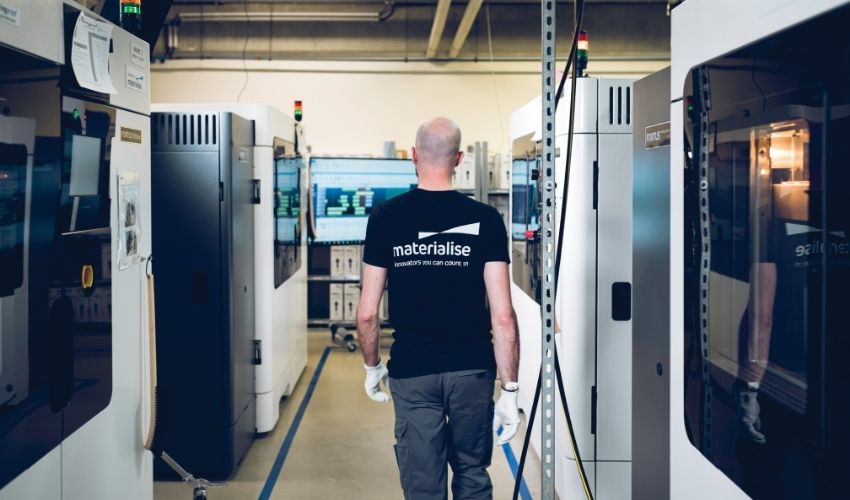 NewsMaterialise Officially Acquires Link3D in $33.5 Million DealBack in spring of this year, Materialise made headlines with its acquisition of the purchase option for software manufacturer Link3D. Now, the leading manufacturer of 3D printing solutions intends to exercise the call option and acquire 100 percent of Link3D’s…
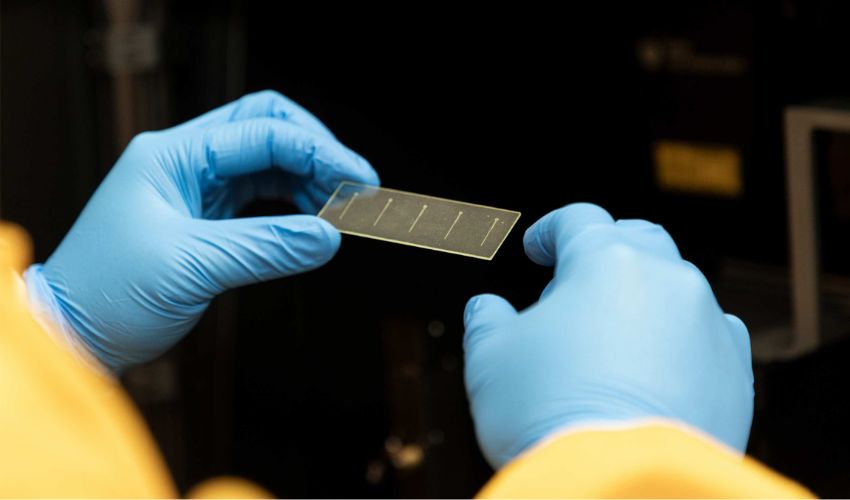 ApplicationsHow Researchers Are 3D Printing Blood Vessels to Understand StrokesImagine a future where a medical facility can take a patient’s CT scan, rapidly 3D print their blood vessel model, test how their blood responds, and even use AI to predict their risk of stroke years in advance. This is…