Materials
Flame Retardant Plastic Materials for Additive Manufacturing
In critical applications, fire safety is non-negotiable—and 3D printing is rising to the challenge. In recent years, we’ve seen a surge in fire- and flame-retardant materials tailored for additive manufacturing, available as filaments, resins and powders. These materials ar
- 3 min read
- Materials
- Six more stories
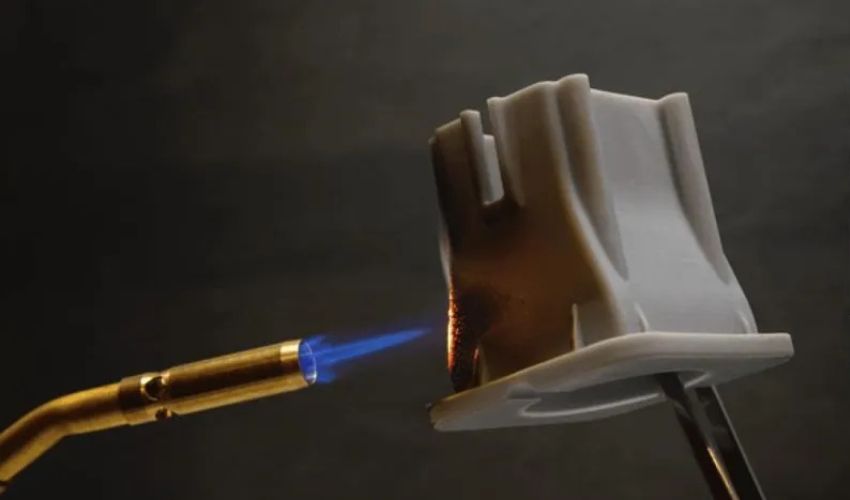
In critical applications, fire safety is non-negotiable—and 3D printing is rising to the challenge. In recent years, we’ve seen a surge in fire- and flame-retardant materials tailored for additive manufacturing, available as filaments, resins and powders. These materials are designed to resist ignition and slow the spread of flames, making them essential in high-risk or highly regulated environments. As the demand for safer, high-performance parts grows, so does the range of flame-retardant plastics adapted for 3D printing. But what exactly sets these materials apart? And where are they making the biggest impact?
Properties of Flame Retardant Materials Used in 3D Printing
First of all, it’s important to distinguish between fire-retardant and flame-retardant materials, because although the difference is subtle, it does exist. Fire-retardant materials are permanently resistant to fire, either because of their intrinsic properties or because of the way they are manufactured. Conversely, flame retardants owe their ability to slow the spread of fire to specific chemical treatments. Some are self-extinguishing, but their effectiveness depends on the coating applied. In both cases, these materials share common characteristics: they are low-flammability, emit little smoke and toxic gases, and offer controlled or reduced combustion when exposed to flames.
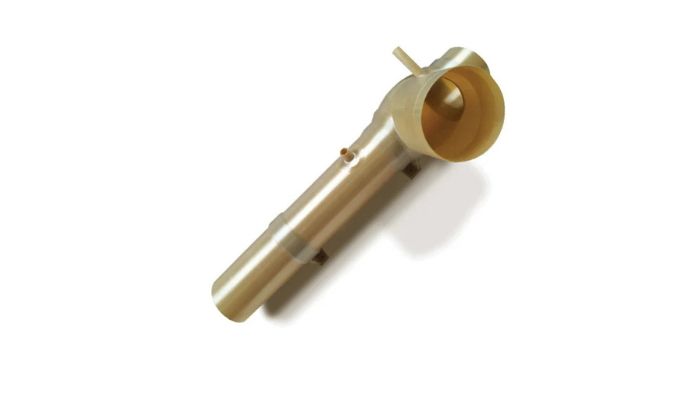
ULTEM 9085 is one of the high-performance, flame-retardant materials used in 3D printing.
In additive manufacturing, both types of materials are used, whether they are in the form of resins, filaments or polymer powders. These materials are categorized and certified as flame-resistant through specific tests. Specifically, plastics are tested according to UL94 regulations, an international standard developed by Underwriters Laboratories (UL) to classify the behavior of plastic materials exposed to a flame. In detail, UL94 involves testing a material according to several variables, including Horizontal Burning (HB), which is used to test whether the material burns slowly in a horizontal position, and Vertical Burning, which tests the material in a vertical position. The latter can have three grades of certification (V-0, V-1, V-2) depending on how the materials respond to the tests. The V-0 certification is the best, and it is the one that many flame-retardant or fire-retardant 3D printing materials have obtained. The main feature of UL94 V0-certified materials is that, when exposed to flames, they stop burning within 10 seconds without a fiery drip.
More from the desk
Six other notes from the rest of the bench.
 MaterialsDesktop Metal Acquires Aerosint and Launches Into Multi-material 3D PrintingFor several months, Desktop Metal has been making acquisitions. After buying EnvisionTEC this past January, the American firm announced a few months later the acquisition of Forust Corporation, a company specializing in wood additive manufacturing. Now the list continues to&helli
 NewsTop 5 Videos: 3D Printing’s Impact on Military AdvancementsWelcome to our compilation of this week’s top 5 most 3D printing compelling videos. We kick off this week’s edition with a video by Arsenal Insights, exploring the significant technological advancements within the military, made possible by additive manufacturing. Nex
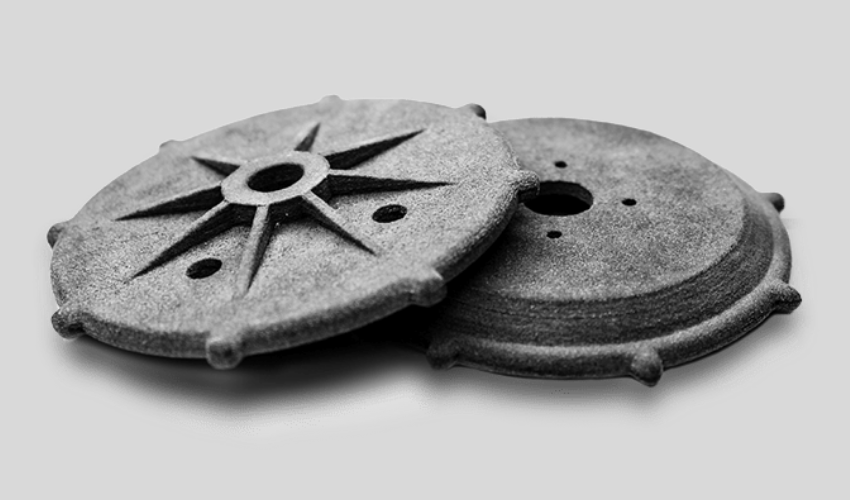 MaterialsImpossible Objects and Owens Corning Join Forces to Develop Stronger, Cheaper 3D Printing MaterialsEarlier this week, Impossible Objects announced that it would be joining a development agreement with Owens Corning targeted at developing new materials for Impossible Objects’ revolutionary composite-based additive manufacturing (CBAM) process. While Impossible Objects is both a
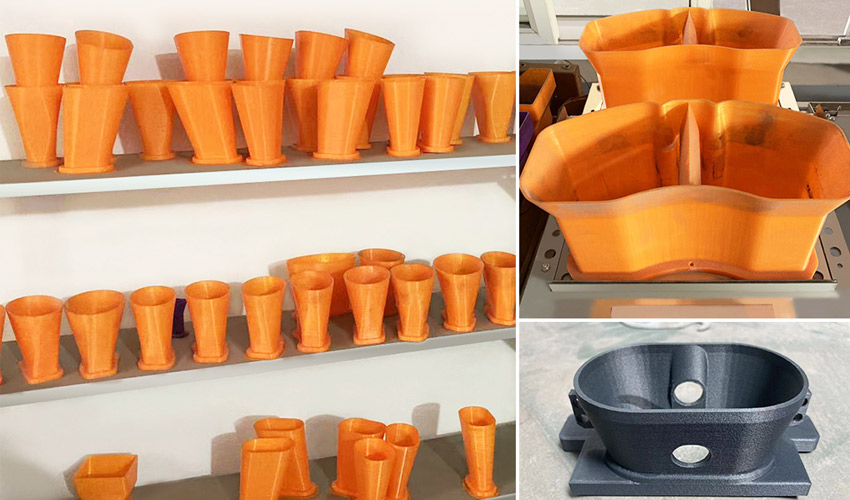 PrintersWhy Combine 3D Printing and Industrial Automation Applications?3D printing is widely used in the field of automation such as in compression molding. It’s a formative manufacturing method, currently popular in industry, that involves compressing the desired amount of molding material between two heated presses to give it…
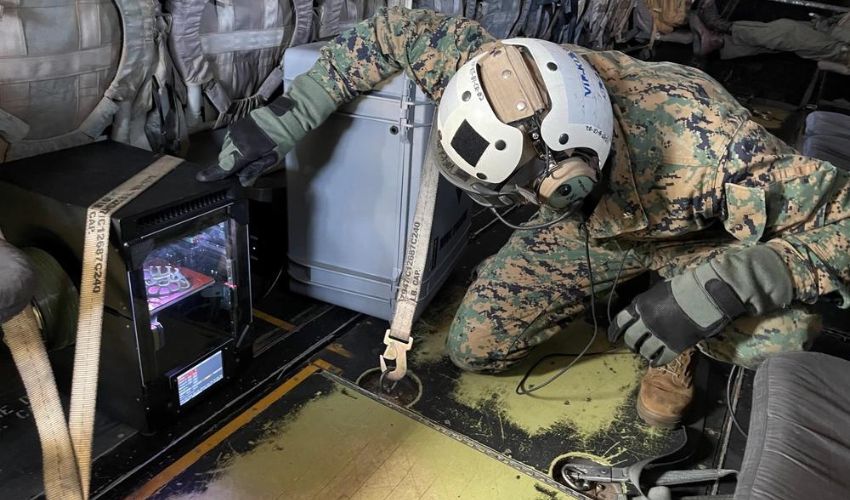 ApplicationsMarines Have Successfully Demonstrated 3D Printing In-Flight for the First TimeIt is no secret that the U.S. military is increasingly turning to 3D printing for a number of interesting applications in the defense sector. Indeed, in the past few years, we have seen a number of projects including the use…
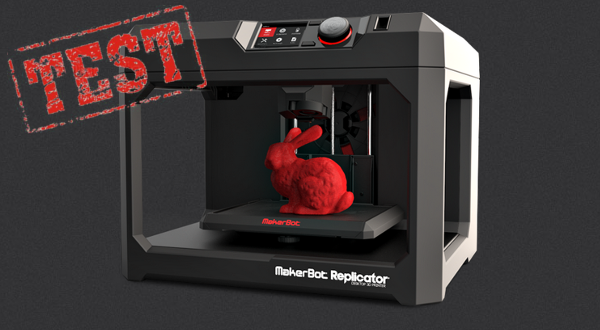 News3Dnatives Lab: Our Test of the Replicator 5GEveryone can agree that these are the days of the 3D era, which is one of the reasons why we love doing these test. It gives us an opportunity to check out this fascinating technology, and to help you in…