Applications
How Researchers Are 3D Printing Blood Vessels to Understand Strokes
Imagine a future where a medical facility can take a patient’s CT scan, rapidly 3D print their blood vessel model, test how their blood responds, and even use AI to predict their risk of stroke years in advance. This is…
- 3 min read
- Applications
- Six more stories
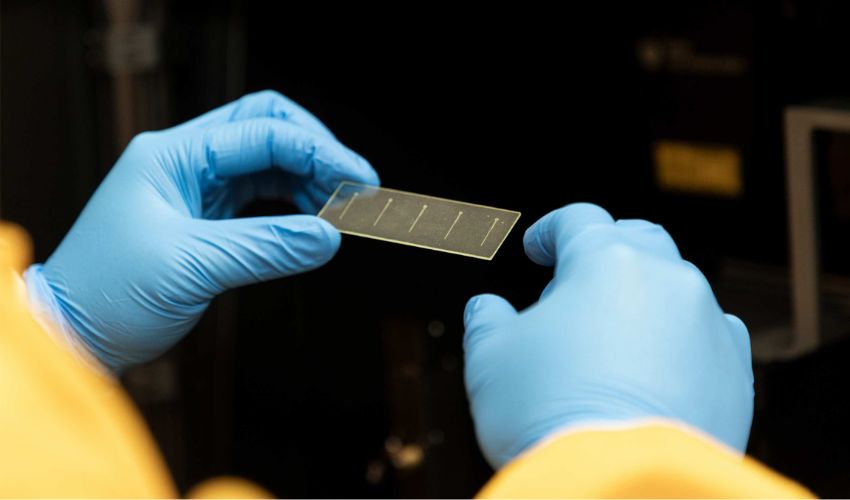
Imagine a future where a medical facility can take a patient’s CT scan, rapidly 3D print their blood vessel model, test how their blood responds, and even use AI to predict their risk of stroke years in advance. This is the kind of future proposed by a team of researchers at the University of Sydney, who recently designed a new technology for 3D printing blood vessels. Published in Advanced Materials, their approach allows the creation of vessels that closely replicate real anatomical structures as well as the complex fluid dynamics of blood flow. The goal is to provide a tool for studying what causes strokes and, possibly, to support the development and testing of patient-specific treatments.
This is not the first time researchers have 3D printed blood vessels, but part of what sets this project apart is the speed of the operation. By using CT scans of stroke patients, the researchers made miniature models, reducing the original carotid artery 3D model to 200 to 300 micrometers, compared to a full-sized carotid artery at 5 to 7 mm. Then, they printed these models on glass slides, creating accurate replicas of healthy and diseased areas of blood vessels. This included features commonly seen in stroke patients, like dents and divots on the damaged lining of the blood vessel wall. Thanks to the miniature nature of the model, these vessels could be printed in two hours, instead of ten.
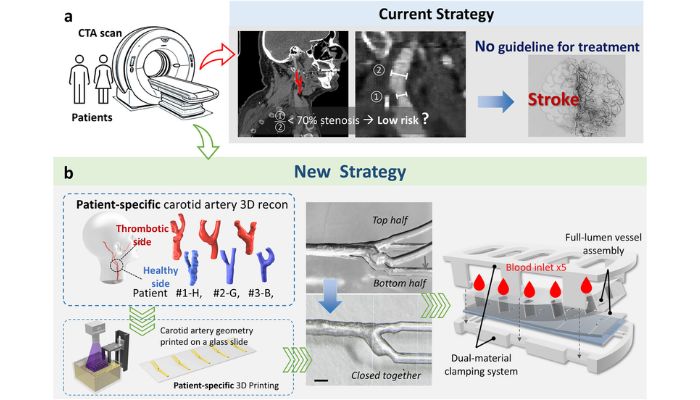
A visualization of the current strategy used for assessing stroke risk, versus the new one proposed. (Image credit: Charles Zhao et al.)
“When it comes to heart attack and stroke diagnosis, speed and accuracy is key,” PhD candidate Charles Zhao from the School of Biomedical Engineering, Faculty of Engineering said. “Clinicians typically have an approximately 12-hour decision-making window after symptom onset.”
More from the desk
Six other notes from the rest of the bench.
 NewsS-MAX Pro is the new large-scale sand 3D printer from ExOneExOne, the manufacturer of industrial sand and metal binder jetting 3D printers, just announced it has launched a new industrial sand 3D printer. This latest model, the S-MAX Pro, will be a solution for both prototyping and industrial series production.…
 NewsFormnext 2024 Showcases Australia and its Growing Importance in AMEvery year, Formnext chooses an official partner country with a dedicated pavilion where exhibitors can present themselves to the international AM community. This year, the honor has gone to Australia. More specifically, Formnext 2024 has partnered with the Victorian Government&h
 NewsWhat are the recruiting trends in 3D printing?Behind additive manufacturing technologies lies the know-how and knowledge of qualified people on cutting-edge subjects. It is quite clear that 3D printing attracts many profiles and companies have been recruiting, but in what proportions? What are the recruiting trends in&hellip
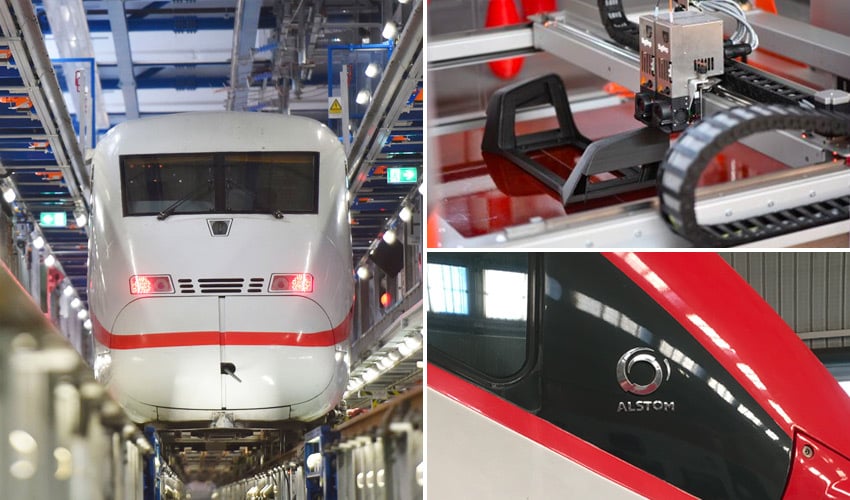 GuidesApplications for 3D Printing at the Heart of the Railway IndustryPresent in many fields, 3D printing is also making news in the railway industry. The technology offers many advantages to players in the sector, particularly in terms of speed and cost of production. Whether it’s to design armrests, seats or…
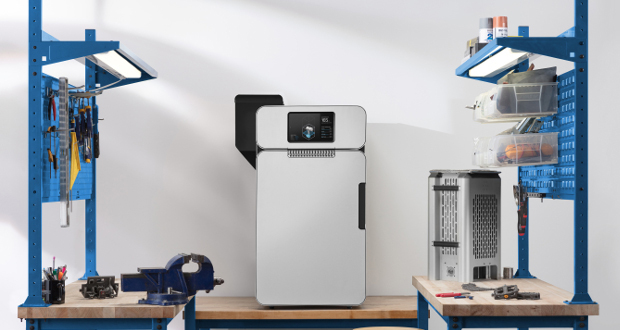 PrintersFormlabs unveils its first SLS printer: the Fuse 1At the Formlabs Digital Factory conference yesterday, Formlabs made their big announcement of a new 3D printer, the Fuse 1, and a system called Form Cell, that will manage a fleet of Form 2 3D printers. Known for their SLA…
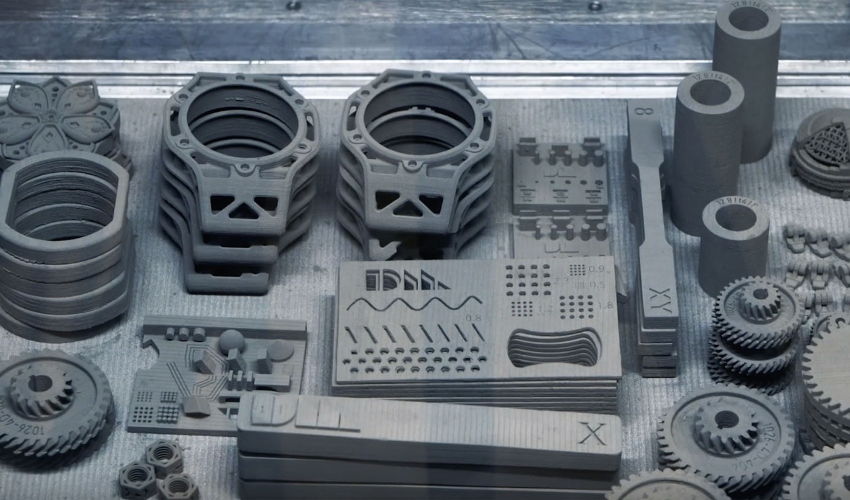 NewsFord and HP Use Recycled 3D Printing Materials to 3D Print New Auto PartsAfter the decision to once again turn to 3D printing for its manufacturing processes, Ford has joined forces with HP. The pair are set for an industry first, turning used 3D printed parts and powders into injection molded auto parts.…