News
UCLA’s 3D-Printed Zinc-Ion Battery Stores 7 Times More Energy
A UCLA-led research team has used 3D printing to build a porous carbon electrode that pushes a hybrid zinc-ion battery to store more than seven times the charge of comparable devices, while retaining 82% of that capacity after 1,500 charge…
- 3 min read
- News
- Six more stories
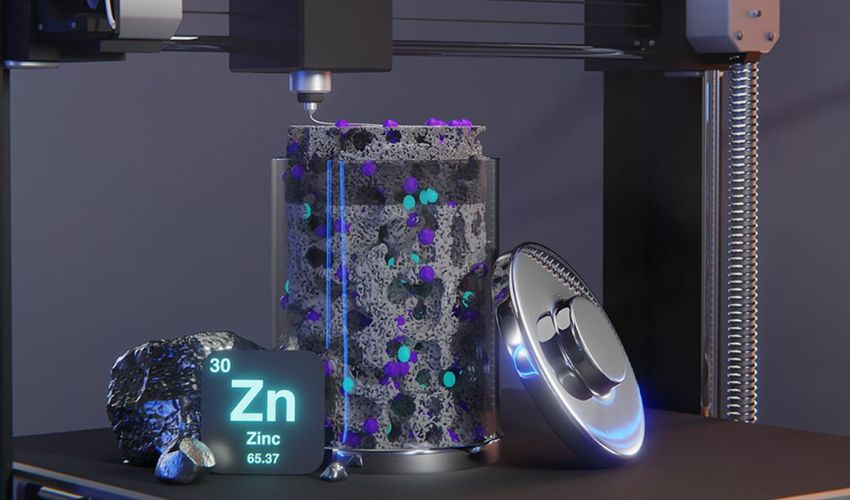
A UCLA-led research team has used 3D printing to build a porous carbon electrode that pushes a hybrid zinc-ion battery to store more than seven times the charge of comparable devices, while retaining 82% of that capacity after 1,500 charge cycles. The study, published in the journal Small, was led by co-corresponding authors Maher El-Kady and Ric Kaner along with first author Sophia Uemura.
A Honeycomb Electrode
The device combines two modes of energy storage in one hybrid cell. One terminal behaves like a conventional lithium-ion battery electrode. The other is a carbon electrode similar to what’s found in a supercapacitor, a technology that charges and discharges quickly and lasts for decades, but stores comparatively little energy because it can only hold charge on the surface of its electrodes.
To get around that limitation, the team 3D printed the carbon electrode with a honeycomb-like internal structure, using a resin that solidifies under UV laser light. After heating and gassing the printed structure to leave only conductive carbon riddled with open cavities, the researchers loaded it with vanadium oxide, a material with high energy storage capacity. The resulting surface area is large enough that a single gram, flattened out, would cover roughly ten tennis courts.
More from the desk
Six other notes from the rest of the bench.
 NewsA South Korean Team Is Turning Sulfur from Refineries into Self-Repairing Soft RobotsEvery year, the oil industry generates a surplus of sulfur that no one quite knows what to do with. Removing it from crude oil is required by environmental regulations, but its main industrial use (the production of sulfuric acid) is…
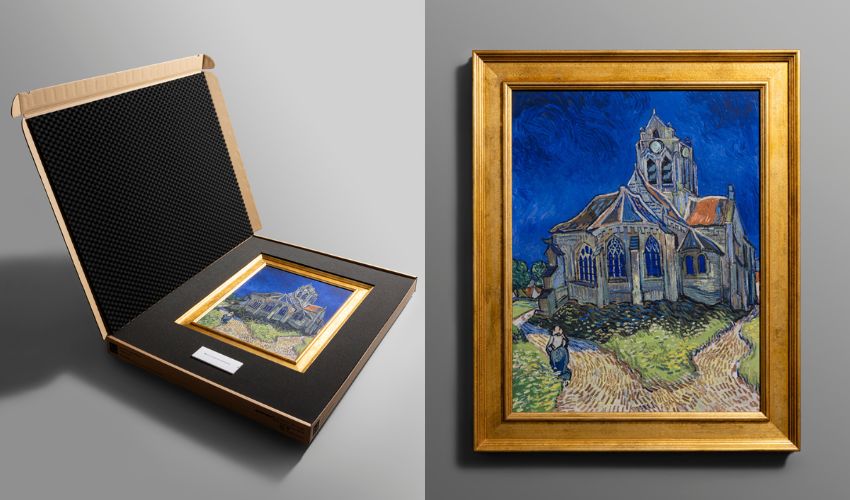 GuidesHow LITO Democratizes Art with 3D TechnologyOftentimes, art and culture are reserved for the social classes who can afford to access them. LITO aims to break down these barriers and create art for everyone, making art more accessible and demonstrating new possibilities in the field of…
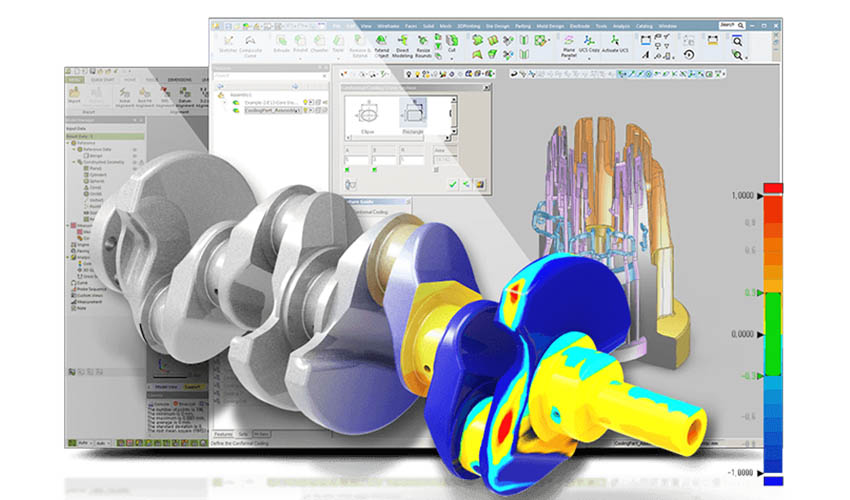 Software3D Systems announces enhancements to reverse engineering software3D printing software is one of the key aspects of the additive manufacturing workflow. One which many engineers rely on when designing and optimizing parts. In recent years, multiple companies have been developing software tools that allow greater customization (through…
 News3DExpress: The World’s Smallest, Fully 3D-Printed, Infrared Photodetectors from HKUThis week’s 3DExpress starts with a breakthrough in Hong Kong, where a team of engineers created the smallest 3D printed sub-micron optoelectronics to date. This could mean that integrating multi-functional micro-nano devices will become a lot easier. Then, we get…
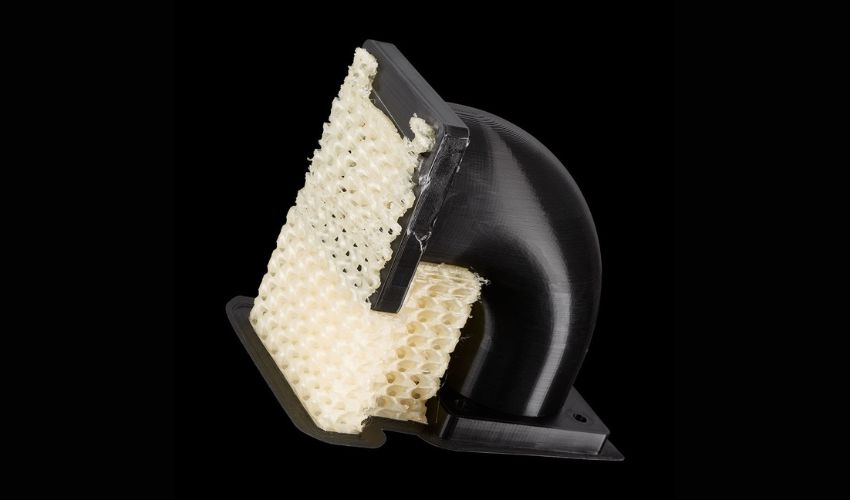 MaterialsNew PVA Alternative Can Dissolve 20% Faster in WaterInfinite Materials Solutions LLC (Infinite) has announced the launch of a new water-soluble support material that it has put forth as a direct competitor to PVA. Named AquaSys General Purpose (AquaSys GP), the support material has been designed to be…
 NewsICON Unveils its Latest Project, House ZeroICON is back at it again! After a busy year in 2021 with numerous projects both on Earth and destined for space, today the 3D printing construction company announced its newest 3D printed home, House Zero, made in partnership with…