Applications
UC Berkeley’s SpaceCAL 3D Printer Demonstrates Success in Orbit
A team of UC Berkeley researchers, spearheaded by Ph.D. student Taylor Waddell, has achieved a significant milestone in additive manufacturing with the development of the SpaceCAL 3D printer. Launched into suborbital space aboard the VSS Unity on June 8th as…
- 3 min read
- Applications
- Six more stories
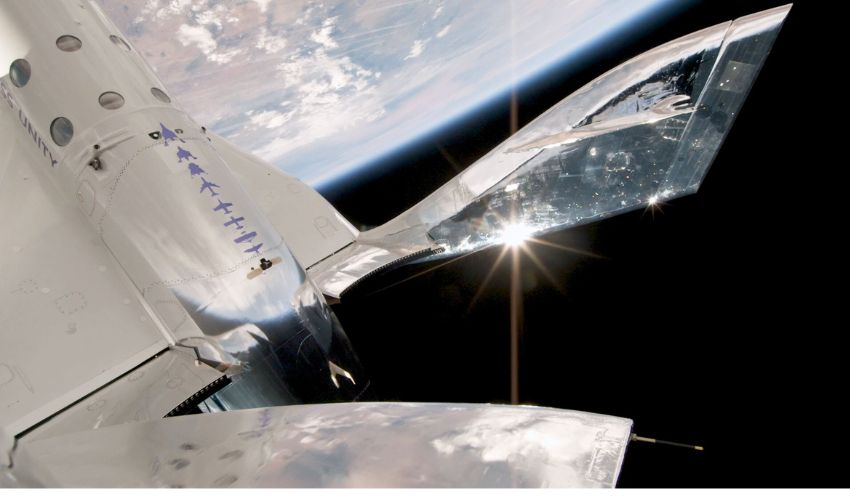
A team of UC Berkeley researchers, spearheaded by Ph.D. student Taylor Waddell, has achieved a significant milestone in additive manufacturing with the development of the SpaceCAL 3D printer. Launched into suborbital space aboard the VSS Unity on June 8th as part of the Virgin Galactic 07 mission, this technology is expected to revolutionize how astronauts address fabrication and repair needs during extended space missions.
According to the research team, SpaceCAL, short for Space-Computed Axial Lithography, represents a cutting-edge advancement in 3D printing. This technology, developed by Hayden Taylor and his team at UC Berkeley in collaboration with Lawrence Livermore National Laboratory, employs light to create solid objects from a viscous liquid. The result is a faster and more versatile printing process compared to traditional methods.
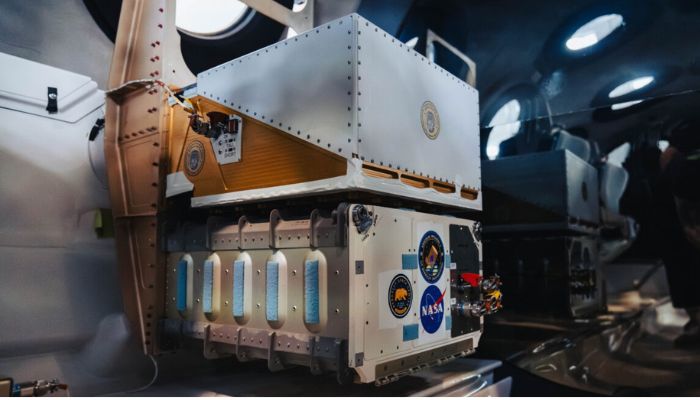
The SpaceCAL Microgravity 3D printer. (Photo Credits: Virgin Galactic)
During its brief yet impactful 140-second journey in suborbital space, SpaceCAL autonomously produced and post-processed four test objects using a liquid plastic called PEGDA, showcasing its ability to operate effectively in microgravity—a critical factor for future space exploration endeavors.
More from the desk
Six other notes from the rest of the bench.
 NewsOver 900 3D Printed Tiles Used for Luxury Hotel in DubaiIf you follow news in additive manufacturing, you may have already heard of the Dutch architecture studio RAP. The firm has been using 3D printing for several years to create original, complex structures that often serve as decorative or ornamental…
 Guides#3DStartup: S.A.M Develops Solution to Protect Personal Data with 3D PrintingFounded at the end of 2022, S.A.M (Signature & Authentification des Matériaux) is a young French company born of the encounter between materials science and digital technology. Established by two researchers, S.A.M’s mission is to fight counterfeiting and protect sensit
 ApplicationsBugatti Bolide: a light and fast vehicle thanks to 3D PrintingThe French carmaker Bugatti has probably imagined the lightest, fastest and most aggressive vehicle in its range. Called Bolide, this sports car is an assortment of new technologies, relying, in particular, on additive manufacturing to reduce the weight of its…
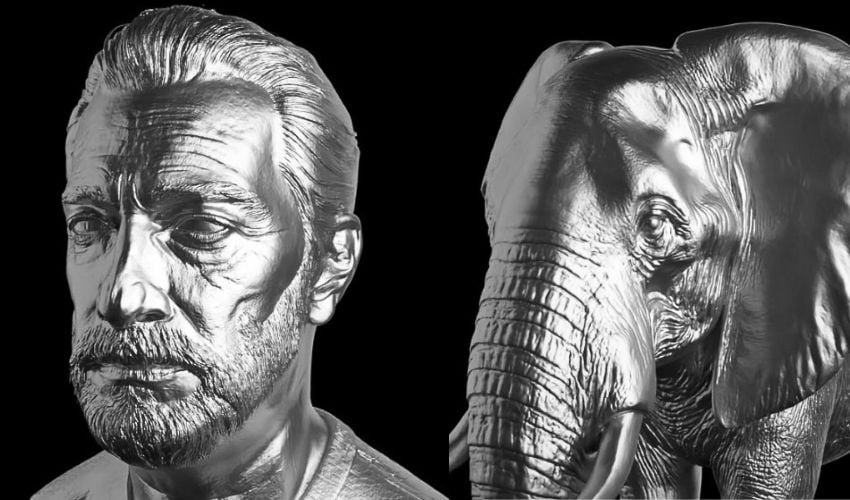 SoftwareFrom 10-Million-Face Meshes to Part Separation: Hyper3D Moves AI Into Print PreparationAI-generated 3D models have come a long way, but creating a model is only the beginning of the 3D printing process. A digital asset still needs to be edited, repaired, prepared for fabrication and, in many cases, divided into multiple…
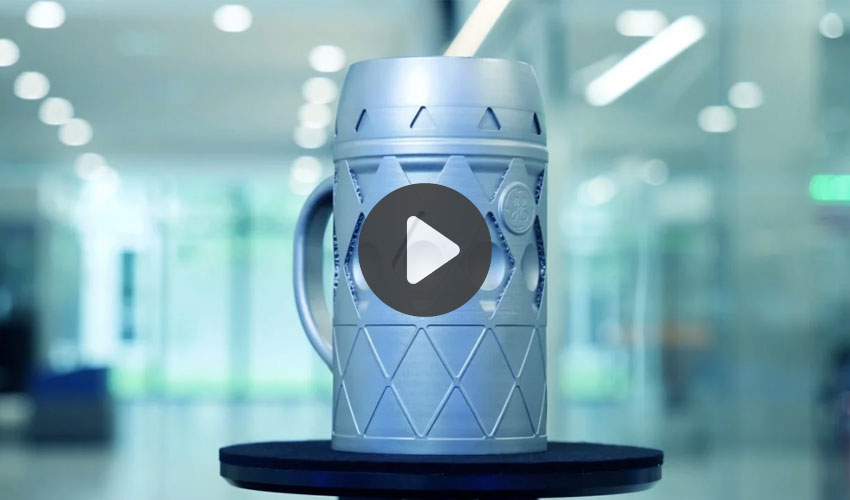 NewsTOP 5 videos of the week: Octoberfest and 3D printed food!We found the TOP 5 videos of the week related to 3D printing and collected the additive manufacturing here. Share your videos and comment on the article below or on the 3Dnatives’ Facebook or Twitter account. Hope you’ll enjoy and…
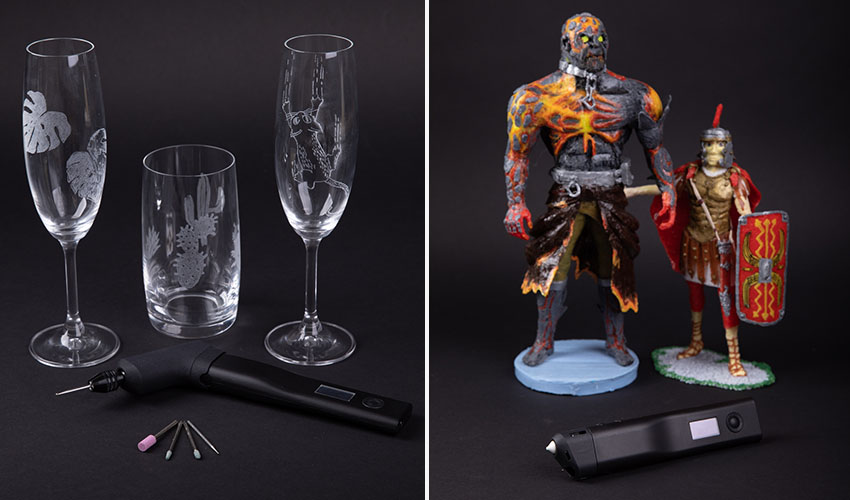 News3DSimo’s 7-in-1 Multipro device for artists, hobbyists & makersIn recent years, 3D pens have allowed hobbyists, makers, artists and children to reach a new level of creativity. One of the players of this market is the European manufacturer, 3Dsimo. The company entered the market back in 2014, and…