Software
From 10-Million-Face Meshes to Part Separation: Hyper3D Moves AI Into Print Preparation
AI-generated 3D models have come a long way, but creating a model is only the beginning of the 3D printing process. A digital asset still needs to be edited, repaired, prepared for fabrication and, in many cases, divided into multiple…
- 3 min read
- Software
- Six more stories
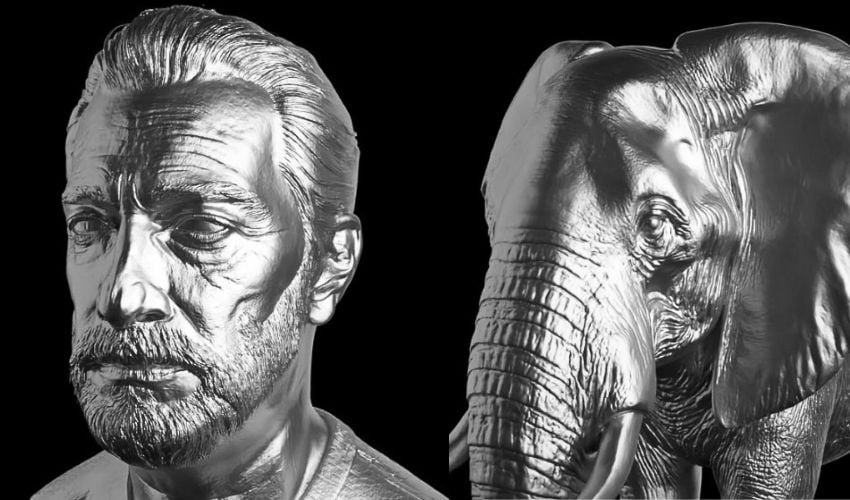
AI-generated 3D models have come a long way, but creating a model is only the beginning of the 3D printing process. A digital asset still needs to be edited, repaired, prepared for fabrication and, in many cases, divided into multiple printable components before it can become a physical object.
Hyper3D, a generative 3D platform developed by Deemos, used Formnext Asia Shenzhen to argue that AI should handle those steps too. Around its Rodin Gen-2.5 generation model, the company showed tools that rebuild a messy mesh, edit specific regions of a finished model with a prompt, split a complex object into parts that fit on a print bed, and assign colors for multi-color 3D printing workflows.
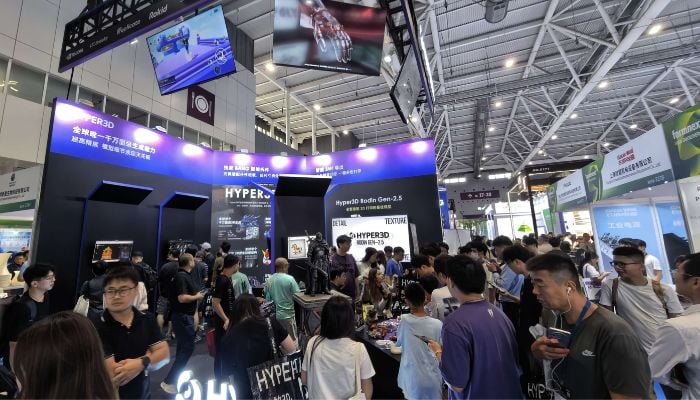
Hyper3D’s stand at Formnext Asia Shenzhen 2026. Photo Credit: Hyper3D
From AI generation to high-resolution geometry
A 3D model that looks realistic on screen does not necessarily contain enough geometry to reproduce the same level of detail as a physical object. Textures and normal maps can make bumps and grooves look three-dimensional even when those details are not actually part of the mesh. A printer has only the geometry to work with.
More from the desk
Six other notes from the rest of the bench.
 NewsWelsh student 3D prints coral structure to help save endangered coral reefsCoral reef conservation has been a big topic among ocean conservationists, as the endangered reefs could mean an end one of the most diverse ecosystems found on earth. It is for this reason that Jessica Gregory, a product design graduate…
 NewsTop 5 Videos of the Week: 3D printed frames and much more!This week we found the top 5 videos about 3D printing and the way additive manufacturing is shaping our society. The technology has infiltrated many sectors, from medical to automotive! Check out our selection of the week to keep up with the innovations! This week we…
 NewsAdditive manufacturing to treat polluted watersAs we know, nowadays 3D printing offers the possibility of creating complex objects that can be reproduced quickly, easily and without much effort. With this idea in mind, a research team from the universities of Tasmania and the Balearic Islands…
 Printers3D Scanning Will Be Used in Ukraine to Document Evidence of War CrimesThe war in Ukraine has been going on for over half a year now. It has already claimed over 5500 lives and injured more than 8000 due to Russia’s attacks on the civilian population. The country’s infrastructure has also suffered…
 NewsHelioSkin: 3D Printed Adaptive Solar PanelsSolar panels as we know them are often flat, stationary, dark-colored panels that do not do much to add to the beauty of the environment. This limits where they can be placed and can discourage people from installing them. That…
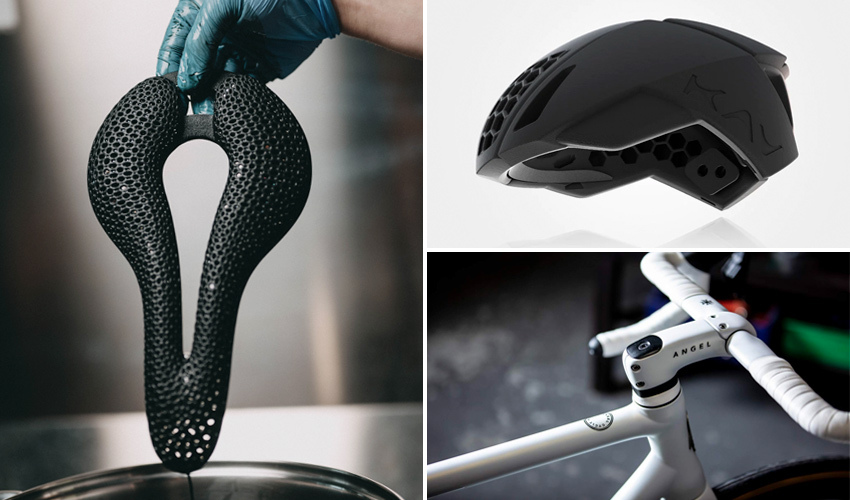 GuidesThe Top Bicycles Made With 3D PrintingAs you know, more and more additive manufacturing is playing an important role in the world of sports, where it allows for the design of custom-made equipment. Cycling is undoubtedly one of the sports where 3D technologies are most widely…