News
MIT researchers have 3D printed ion-powered nanosatellite thrusters
Researchers have developed a novel 3D printed, ion-powered, nanosatellite thruster for a study funded by the MIT Nanotechnology program and the NewSat project. Using metal and resin 3D printing methods and hydrothermally grown zinc oxide nanowires (ZnONWs), the research team&hell
- 3 min read
- News
- Six more stories
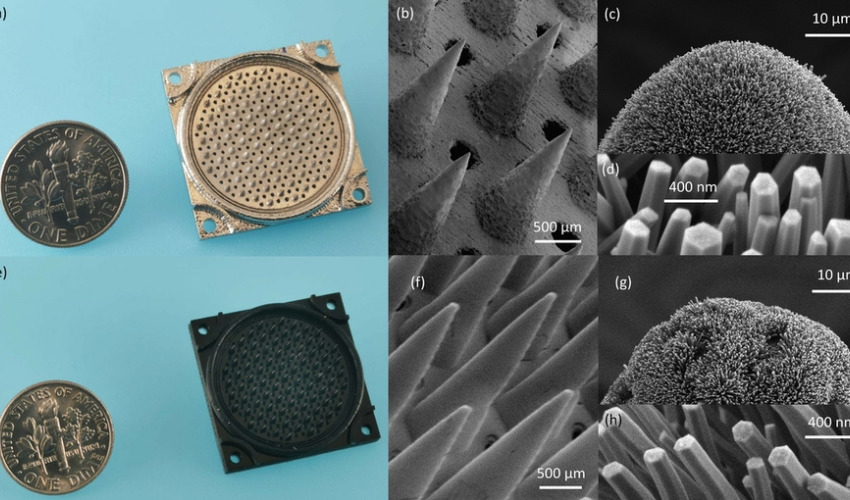
Researchers have developed a novel 3D printed, ion-powered, nanosatellite thruster for a study funded by the MIT Nanotechnology program and the NewSat project. Using metal and resin 3D printing methods and hydrothermally grown zinc oxide nanowires (ZnONWs), the research team created nanosatellite thrusters that emit a stream of pure ions. The research paper entitled “Additively manufactured electrohydrodynamic ionic liquid pure-ion sources for nanosatellite propulsion” marks several firsts in the field: the first demonstration of a fully 3D-printed thruster; the first thruster of its kind to produce pure ions from the ionic liquids used to generate propulsion; as well as the nanosatellite electrospray ionic liquid pure-ion rocket to receive validation.
MIT’s 3D printed nanosatellite thrusters
Nanosatellites are miniaturized satellites, weighing between 1 and 10 kg. Traditionally nanosatellite thrusters rely on chemical-based propulsion systems. However, following an increase in spacecraft power, many modern missions now favor higher energy electric propulsion (EP) systems. The research team at MIT used electrospray thrusters, a type of energy electric propulsion system particularly suited to nanosatellites, because their physics favor miniaturization.
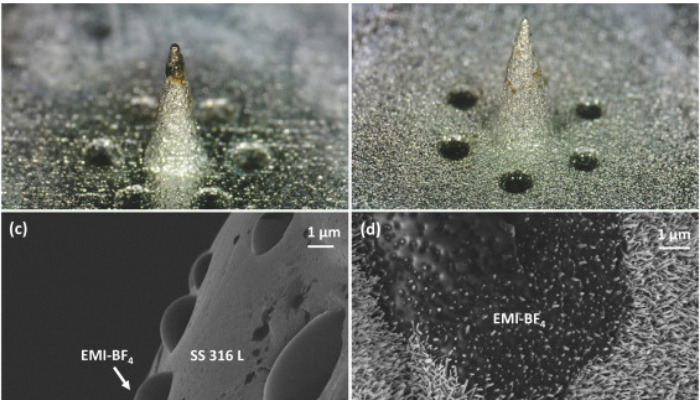
Preliminary experimental results suggesting the reported devices have a long life. (photo credits: Additive Manufacturing journal)
Similarly, the majority of additive manufacturing techniques are able to function on a miniature scale. Researchers thus experimented with two additive manufacturing methods to fabricate the emitting electrodes for the nanosatellite: binder jetting and vat polymerization. As for materials, the team chose SS 316L, a corrosion resistant stainless steel for the former, and FunToDo Industrial Blend resin (FTD-IB), a highly cross-linked, acrylic based polymer for the latter. While the stainless steel electrodes functioned better overall, the process proved very expensive. The polymer equivalent rivalled this performance, despite far lower production costs.
More from the desk
Six other notes from the rest of the bench.
 NewsBinder Jetting, the 3D Printing Technology That Transforms Production MethodsBinder Jetting is a 3D printing process that is becoming increasingly popular with additive manufacturing users. One of the players in this niche is Desktop Metal. The company is a global leader in Binder Jetting 3D printing and also has…
 NewsSinger Rosalía Stuns in Original 3D Printed DressLast week, the British Fashion Awards (BFA), an annual ceremony celebrating the best of Britain’s designers, took place in London. Described as London’s answer to the New York Met Gala, the event is highly anticipated within the fashion industry worldwide.…
 NewsSolar Gate: The First 4D-Printed Adaptive Façade SystemIndoor comfort generally requires a high energy input, which means that buildings account for a significant proportion of global carbon emissions. In 2020, for example, single-family homes consumed an average of 864 petajoules of heating energy, an enormously high figure.…
 NewsThe Role of 3D Printing in the Luxury Goods SectorThe global luxury goods market is experiencing a rapid post-pandemic recovery and could reach €380 billion by 2025, according to a report published by the Italian luxury goods manufacturers’ foundation, Fondazione Altagamma, and strategic consulting firm Bain & Company.
 ApplicationsU.S. Navy Partners With Hunt Valve for 3D Printed Submarine ComponentsThe United States military has begun to modernize its fleet across all branches with the adoption of 3D printing technology. In a major overhaul for the U.S. Navy, Hunt Valve, the Fairbanks Morse Defense subsidiary, has recently been awarded a…
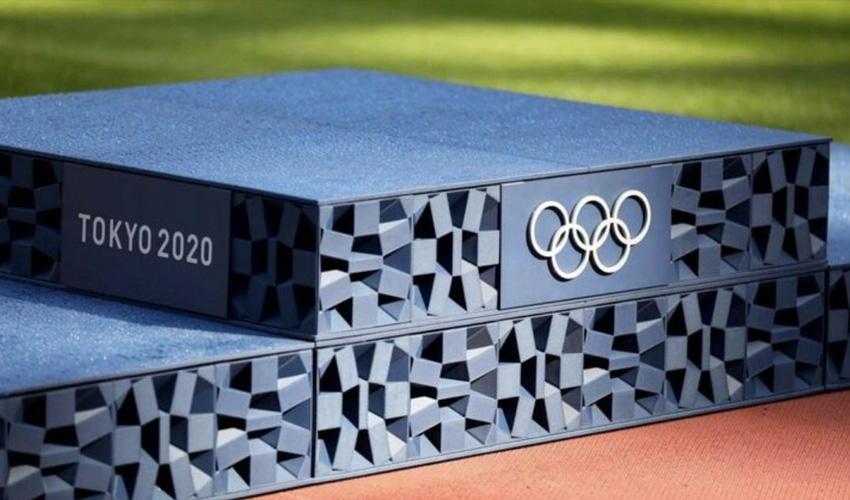 NewsTokyo Olympics Medal Ceremony Podiums 3D Printed Using Recycled PlasticThe various applications of additive manufacturing have become increasingly broad. For instance, 3D printing is now used in aeronautics, automotive, fashion, food, even in the world of sports. Now, for the first time in its history, additive manufacturing is coming…