Materials
Titanium vs Aluminum: Which Metal Should You Choose for 3D Printing?
Metal is currently one of the most sought-after materials in additive manufacturing processes. Not surprisingly, its excellent properties make it the ideal choice for the most demanding applications in terms of performance and strength. In this article, we will focus…
- 3 min read
- Materials
- Six more stories
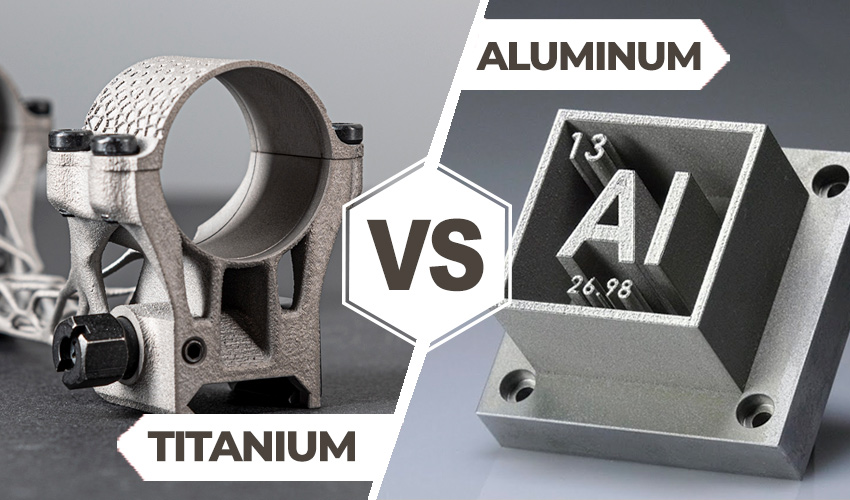
Metal is currently one of the most sought-after materials in additive manufacturing processes. Not surprisingly, its excellent properties make it the ideal choice for the most demanding applications in terms of performance and strength. In this article, we will focus on two of the main metals used in 3D printing: titanium and aluminum. These are mainly used for processes such as laser powder bed fusion (L-PBF) or directed energy deposition (DED). They are mainly available for 3D printers in powder form, especially in industrial environments. We will compare their similarities and differences, in order to better understand their properties and applications, and the advantages they offer in this manufacturing process.
Production and Characteristics of Titanium vs Aluminum
Titanium
Titanium is a material that does not occur in nature as an element and must instead be extracted from minerals such as rutile (TiO2) or ilmenite (FeTiO3). The extraction of pure titanium is a complex process that involves several steps. The most widely used method for the production of pure titanium is the Kroll method, developed by the American chemist William J. Kroll in 1940. This method involves the reduction of titanium dioxide (TiO2) with chlorine gas (Cl2) to produce titanium tetrachloride (TiCl4), which is then reduced with magnesium (Mg). Although the Kroll method is effective in producing pure titanium, it is an expensive process that requires a large amount of energy. In addition, the high reactivity of titanium makes it difficult to obtain as a pure metal, so much so that a sample with a purity of 99.9% is considered commercially pure titanium. Therefore, it is normally used in combination with other elements to form an alloy.
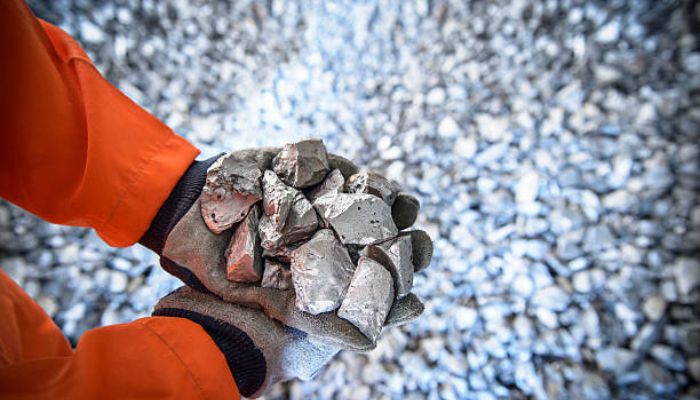
Photo Credits : Getty Images
Titanium has many properties that make it very versatile and useful in a number of sectors. As previously explained, it is often used in alloy form, but pure extracted titanium is used in certain applications, such as in the medical industry, due to its high biocompatibility. Its main characteristics are high mechanical strength, low density, excellent corrosion resistance and high rigidity.
More from the desk
Six other notes from the rest of the bench.
 PrintersAONIQ 888: The 3D printer that is ready to disrupt the market with PVC3D printing is a continuous revolution that has brought us fascinating new creations, such as a modern version of chainmail from NASA or even shoes from Adidas. Over the last few years, 3D printing has integrated itself deeper and deeper…
 SoftwareZ-Suite, The Free Slicer from ZortraxIn the world of 3D printing, the quality of the final product depends not only on the hardware used but also on the software that prepares the files. That’s why we invite you to discover Z-Suite, a slicer developed by…
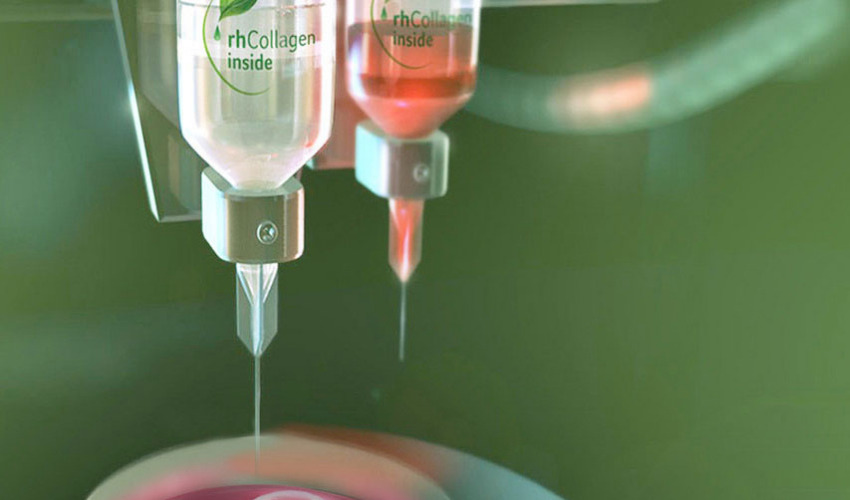 Materials3D Systems and CollPlant To Co-Develop Bioprinted Solutions for Breast Reconstruction TreatmentsIn 2020, 2.3 million women were diagnosed with breast cancer globally. Breast cancer is the most common cancer across the world, and with breast cancer survival rates at 90%, the medical industry has ramped up efforts to enhance breast reconstruction…
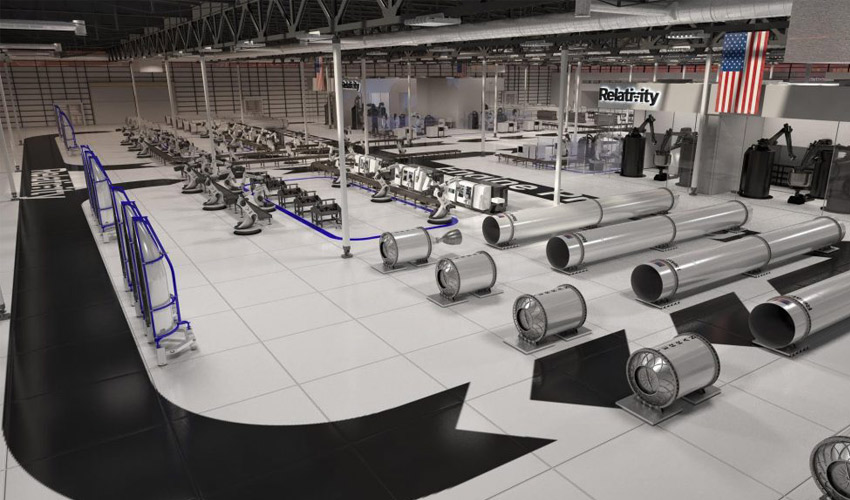 ApplicationsRelativity takes over NASA facility to set up 3D printing rocket factoryRelativity, the world’s first autonomous rocket factory and launch services leader announced at the beginning of June that it secured an agreement with the National Aeronautics and Space Administration (NASA). The company will install part of its production at one…
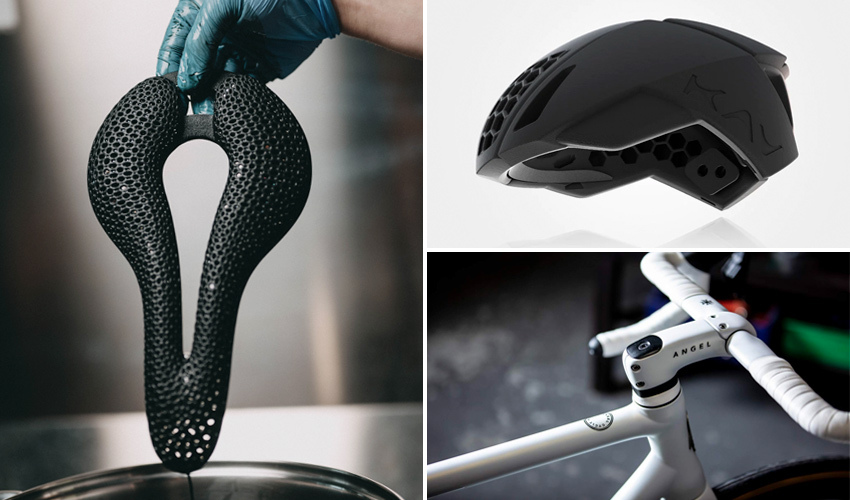 GuidesThe Top Bicycles Made With 3D PrintingAs you know, more and more additive manufacturing is playing an important role in the world of sports, where it allows for the design of custom-made equipment. Cycling is undoubtedly one of the sports where 3D technologies are most widely…
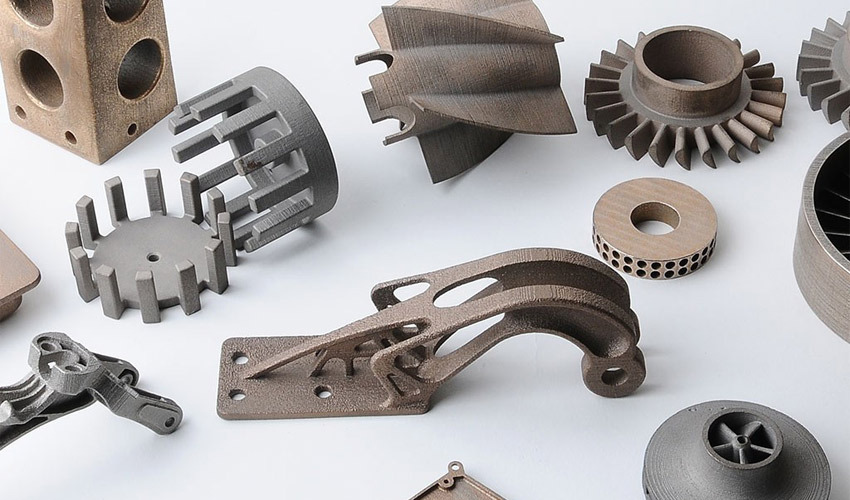 News#3Dstartup: Metallum3D offers microwave sintering for metal AMIn recent years, the metal additive manufacturing segment has experienced a strong growth, explained in great part by the arrival of players who wanted to make it more accessible to users. These players have offered technologies close to MIM or…