Guides
The 10 Food 3D Printers You Should Know
Could food 3D printing have a place in your kitchen? Increasingly, yes: the technology is now being used in fine dining, personalized nutrition and alternative proteins, among other fields. In all of these applications, food 3D printers work the same…
- 3 min read
- Guides
- Six more stories
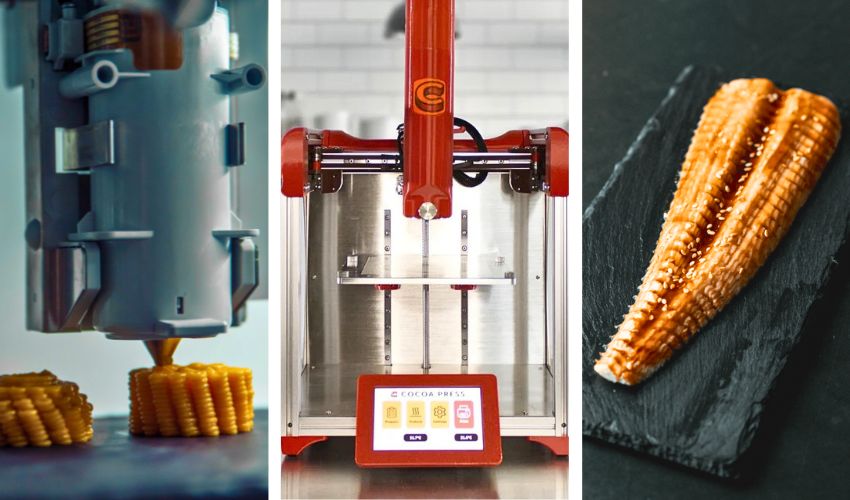
Could food 3D printing have a place in your kitchen? Increasingly, yes: the technology is now being used in fine dining, personalized nutrition and alternative proteins, among other fields. In all of these applications, food 3D printers work the same way, building food layer by layer from a digital model, most often through extrusion. Available machines range from DIY kits for home cooks to systems for professional kitchens and industry. In this ranking, we focus exclusively on food 3D printers currently available for purchase, listed alphabetically.
Chocola3D
Developed in Bulgaria, Chocola3D is a food 3D printer based on an open syringe system. Users prepare and load their own ingredients, with no need to buy proprietary capsules or refills. The machine can print up to 26 different food materials, including chocolate, dough, cheese, meat, vegetable and fruit purées and pea protein. Chocola3D has a build volume of 250 x 230 x 150 mm, weighs 24 kg and is priced at €1,990. Alongside the printer itself, the company offers consulting, training for educational institutions, 3D model design for food and live food 3D printing shows for events.
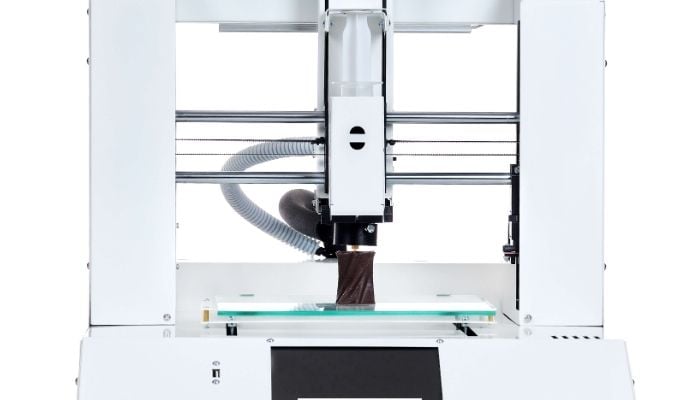
Photo credits: Chocola3D
Cocoa Press 2
The Cocoa Press 2 prints chocolate directly from a digital file, so you don’t need a mold to make custom shapes. It comes as a $1,499 DIY kit, where you print some of the parts and assemble the machine yourself, or as a $4,499 Pro package that arrives assembled. The Pro is only sold in the US, but European buyers can order the kit through UK reseller Vector3D. Both versions have a 135 x 135 x 150 mm build volume and ship with 0.8 mm and 1.6 mm nozzles. The extruder holds the chocolate’s temperature to within ±0.1°C. The printer runs Klipper firmware and works with open-source slicers such as PrusaSlicer, and its quick-swap extruder leaves room for upgrades like multicolor or continuous printing. The Pro package adds stainless steel side panels, a hard travel case, maintenance tools and access to a Discord channel for professional users. That makes it the obvious pick for small food businesses, while the kit suits hobbyists who don’t mind building their own printer.
More from the desk
Six other notes from the rest of the bench.
 NewsDMG Mori on Advancing Metal Additive Manufacturing at RAPID + TCT 2024Walking around the show floor at RAPID + TCT 2024, one fact quickly became clear: metal is increasingly important in the 3D printing world. Although polymers continue to dominate the market, metal additive manufacturing solutions and applications could be found…
 News3D Printing for Adhesive-Free Wood and Polymer BondingWhat if you could glue plastic to wood without adhesives or chemicals? That’s the goal of a team of researchers from Graz University of Technology in Austria. They used additive manufacturing to deposit different materials on wood, layer by layer,…
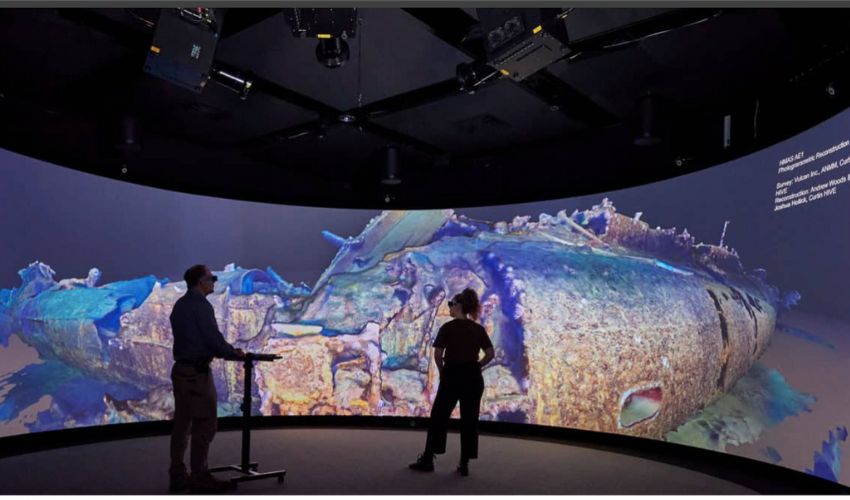 NewsPhotogrammetry Used for Exhibition Of Naval ShipwreckA joint venture between software company NVIDIA and researchers at Curtin University in Western Australia has seen the recreation of the wreck of a shipwreck using photogrammetry and 3D printing technology. The exhibition, at the WA Maritime Museum, was developed…
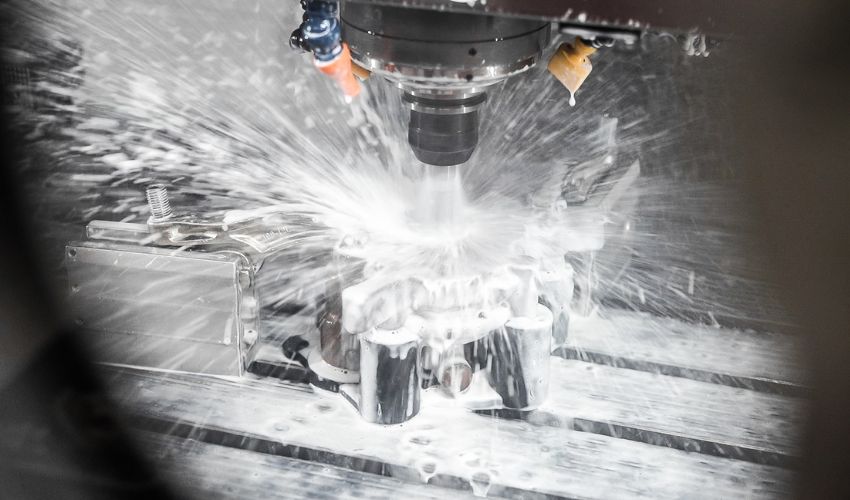 SoftwareFrom Engineers to Operators: Bringing Tooling Design to the Factory Floor with AM SoftwareAdditive manufacturing is increasingly being used by manufacturers to improve agility on the factory floor, but many still face bottlenecks caused by fragmented software workflows and the need for skilled engineering labor. To address this challenge, Stratasys has integrated fixt
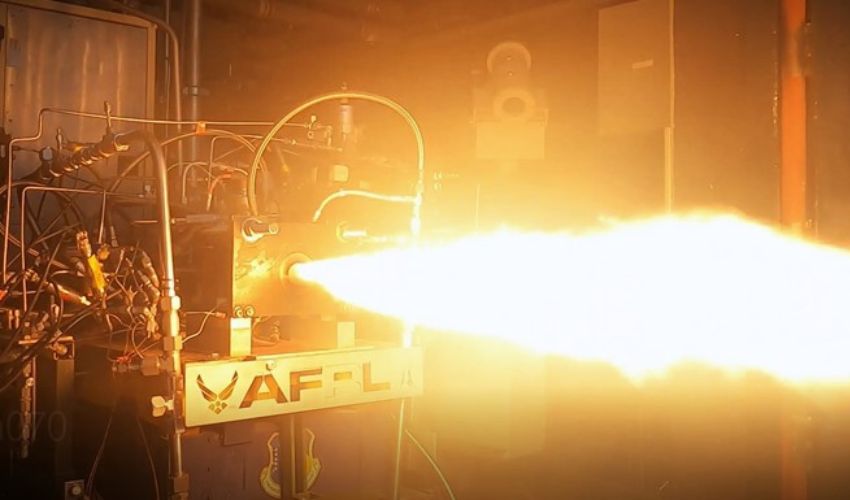 ApplicationsAFRL Uses Additive Manufacturing to Make Single-Block Rocket-Engine Thrust ChamberThe American military has been one of the most fervent adopters of additive manufacturing in recent years. From submarine parts for the Navy to the Army’s 3D printed barracks and hulls for vehicles, there are no shortage of examples of…
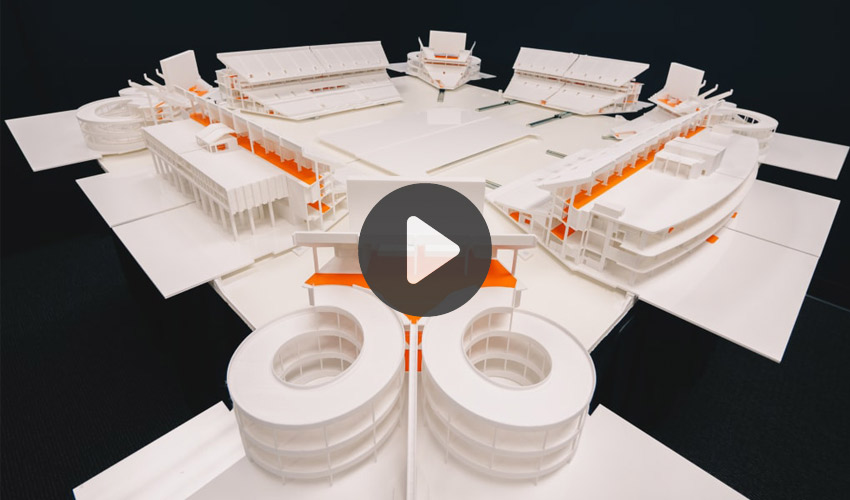 NewsTop 5 Videos of the Week: creating a 3D model of the Super BowlThis week we found the top 5 videos about 3D printing and the way additive manufacturing is shaping our society. The technology has infiltrated many sectors, from medical to automotive! Check out our selection of the week to keep up with the innovations! This week we…