Materials
HPP vs. Metals: Which Material Should You Use for 3D Printing?
When it comes to 3D printing, materials are key. The properties and characteristics of each material family (whether metals, plastics or ceramics) will significantly impact the resulting part. And knowing which material would be best suited is a critical step…
- 3 min read
- Materials
- Six more stories
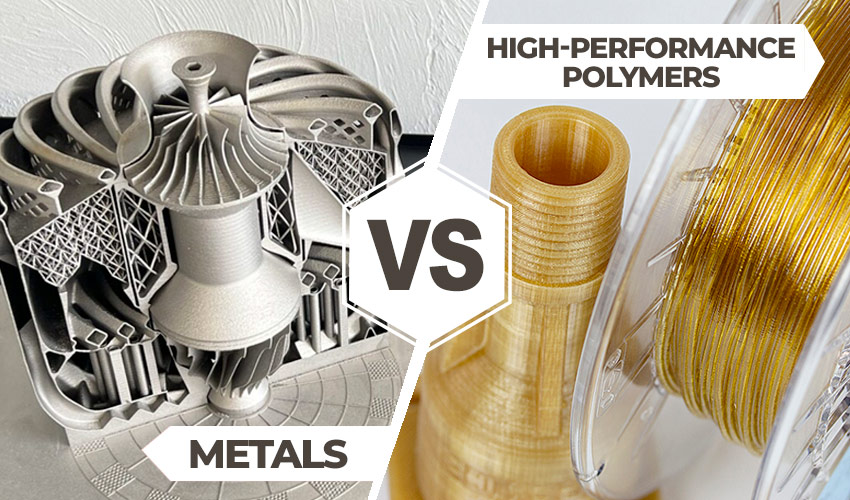
When it comes to 3D printing, materials are key. The properties and characteristics of each material family (whether metals, plastics or ceramics) will significantly impact the resulting part. And knowing which material would be best suited is a critical step in the creation of any part as the design will also be affected since it can impact everything from the use of support structures to shrinkage concerns and properties of the resulting piece. But what about when two entirely different material groups can both be used for advanced end-use parts? The best example of this is undoubtedly in the comparison between high-performance polymers (HPP) and metals.
Though it would seem obvious that metals and polymers are completely different, there are some polymers whose properties and characteristics rival those of many metals, making them a feasible alternative. But why should you use one over the other? What are the major differences between the two? What do you need to keep in mind while 3D printing? We take a closer look at these questions and more in our latest versus article.
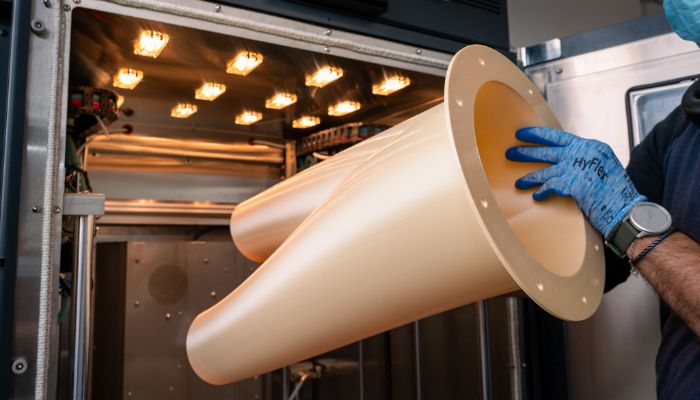
A large part made with HPP (photo credits: AON3D)
Properties & Characteristics of HPP vs. Metals
For metals and high-performance polymers, the differences start at their origins. While most metals are found in nature (except of course for alloys), polymers are made. Furthermore, the specific polymers that are used in 3D printing are made with chemically distinct polymer chains that are tangled together.
More from the desk
Six other notes from the rest of the bench.
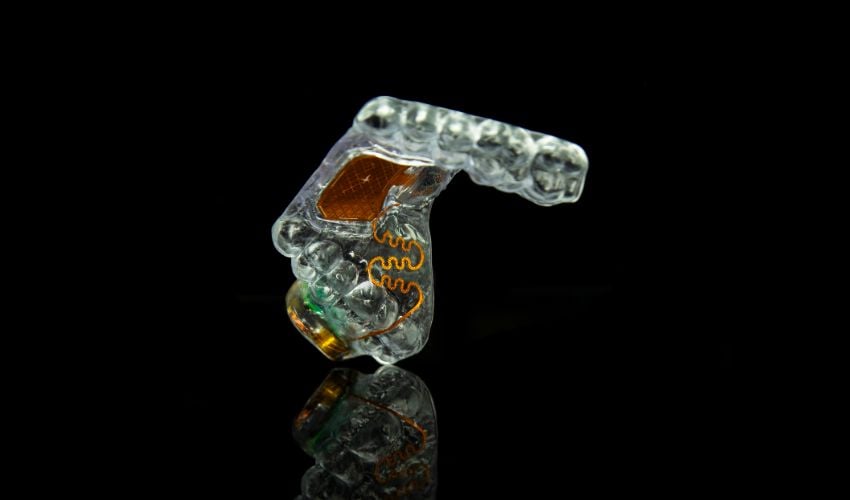 Guides#3DStartup: Augmental’s MouthPad^ Makes Technology More AccessibleWhat if it were possible to control a computer, tablet, or phone without moving a finger? For people with paralysis, Mouthpad^ from Augmental makes this a reality. The device sits discreetly on the roof of the mouth and converts subtle head…
 Applications3D Printed Thrusters to be used for NASA’s First Voyage to the Moon’s South PoleAgile Space Industries, a company known for its additively manufactured propulsion technologies, has been selected by Astrobotic’s Griffin Mission One (GM1) team to develop 3D printed thrusters and axial engines for the Griffin lunar lander. The Griffin lunar lander will…
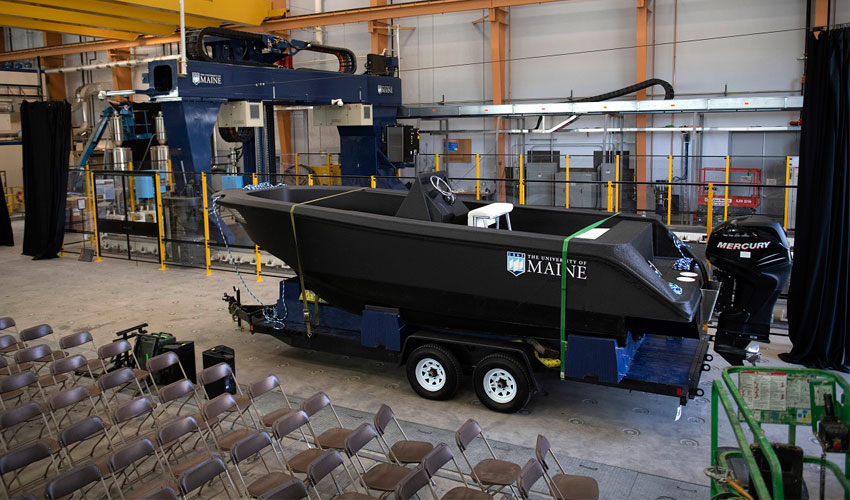 PrintersUniversity of Maine creates the world’s largest 3D printed boatA team of researchers from the University of Maine revealed the largest 3D printed part in the world. It is a boat, the 3Dirigo, designed on a large-format polymer 3D printer developed by the UMaine Advanced Structures and Composites Center.…
 NewsAirbus and LM Industries create mobility startup, NeorizonAirbus and LM Industries have partnered together to launch a digital mobility startup, called Neorizon. The startup is a microfactory that will provide disruptive and innovative products with a focus on local mobility and autonomy. The headquarters and microfactory will…
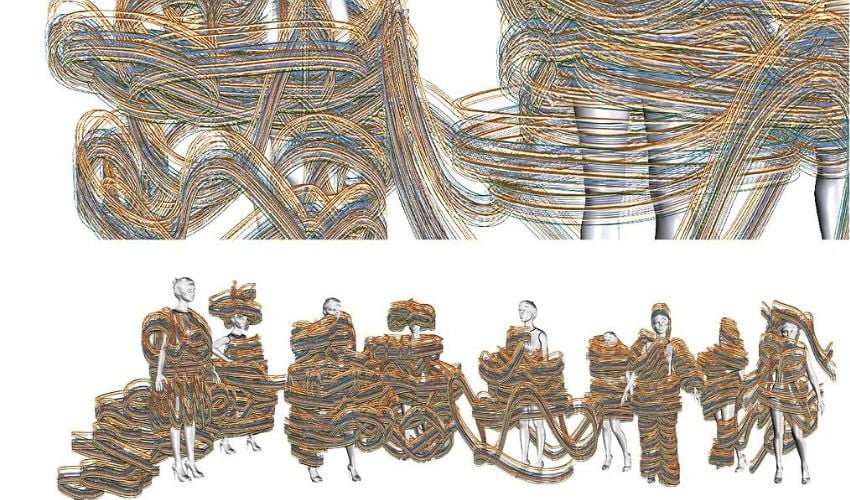 NewsLilach Porges Combines Roller Coasters, 3D Printing and Female Empowerment in Her Fashion CollectionThe fashion industry is considered one of the biggest environmental polluters, putting it at the center of the sustainability debate. While large fashion companies are changing course in some of their production methods, suppliers of cheap fashion are striving to…
 NewsTOP 10 STL Files of 2019!This upcoming year-end is an opportunity to look back and remember the successful 3D models of 2019. As the years go by, choosing becomes trickier as the offer of STL files that can be perfectly 3D printed becomes overwhelming. This…