News
The first 3D printed residential building in Germany
The first 3D printed residential building will be erected in Germany, more precisely in the city of Beckum, Westphalia. The two-storey house will offer 80 square meters per floor, with walls built by the concrete 3D printer BOD2 from the…
- 3 min read
- News
- Six more stories
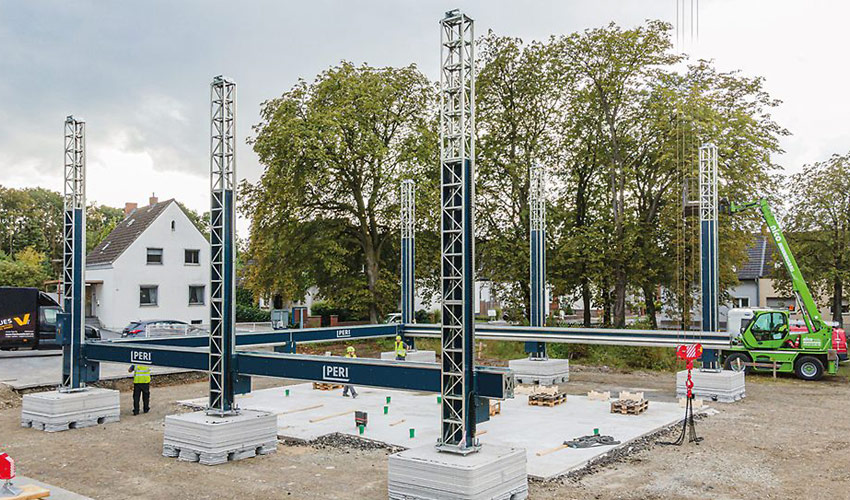
The first 3D printed residential building will be erected in Germany, more precisely in the city of Beckum, Westphalia. The two-storey house will offer 80 square meters per floor, with walls built by the concrete 3D printer BOD2 from the Danish manufacturer COBOD. Led by PERI GmbH, a company specializing in manufacturing and distribution of formwork, scaffolding and shoring, the construction project has successfully obtained all regulatory approvals in recent months. Although the completion date has not been communicated yet, the project looks well advanced and it is not unlikely that in the near future, this construction technique will be the preferred one in Germany.
In the concrete 3D printing sector, the aim of the market players is to automate the material extrusion process as much as possible in order to offer fast, reliable and durable solutions. Even if one cannot yet build one’s own house on one’s own land within 24 hours, manufacturers are trying to improve the precision and speed of their machines as much as possible, while at the same time offering an affordable price. This is in any case the mission that COBOD has given itself, which has developed a range of concrete 3D printers mounted on a gantry. One of its shareholders is PERI GmbH, which managed the entire project.
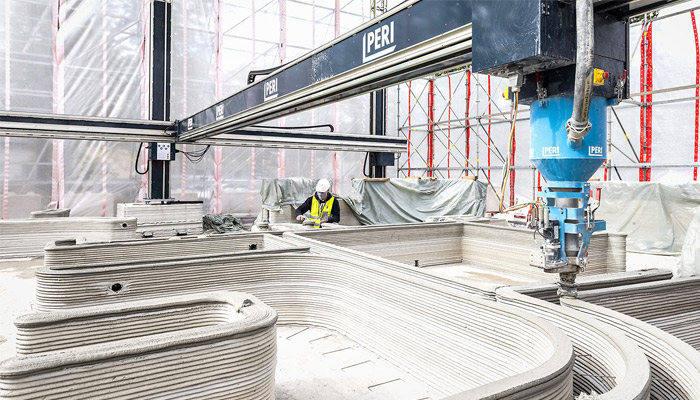
PERI GmbH used COBOD 3D printers for the project (photo credits: PERI GmbH)
The printing of the two-storey house required a single machine and two operators on site. The concrete 3D printer, with a printing speed of 1m/s, took only about 5 minutes to produce 1m² double wall. Leonhard Braig, Production and Supply Chain Manager at PERI GmbH, explains: “3D printing is fundamentally changing the way we build and the residential construction process. As this is the first building of its kind, we are striving to print at a slower rate than is actually possible. We want to take this opportunity to gain more experience in day-to-day operations, as this will help us further exploit the cost-saving potential of our technology in the next printing project”.
More from the desk
Six other notes from the rest of the bench.
 SoftwareAMFG on its end-to-end workflow management solution for autonomous AMAs companies start to adopt 3D printing at a larger scale, the need to adopt a tool to manage the additive manufacturing workflow is becoming greater. Any industry needs software to manage operations if it aims to be efficient and…
 GuidesMorningbird Space Develops 3D Technologies to Accelerate Space ConquestIt’s hard to ignore additive manufacturing when it comes to aerospace and space conquest. It would seem that the technology has become an essential means of designing more efficient parts and tools, rather like artificial intelligence. This is the context…
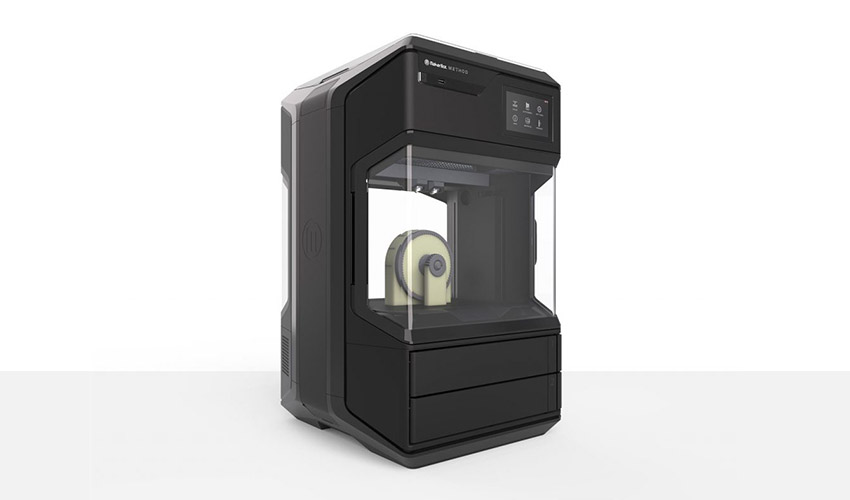 PrintersNew extruder transforms METHOD 3D printer into an open materials platformThe METHOD is a professional desktop 3D printer that enables the creation of parts for industrial applications. Launched by MakerBot and based on Fused Deposition Modeling technology, the METHOD enables users to work with technical materials. Back in November 2019,…
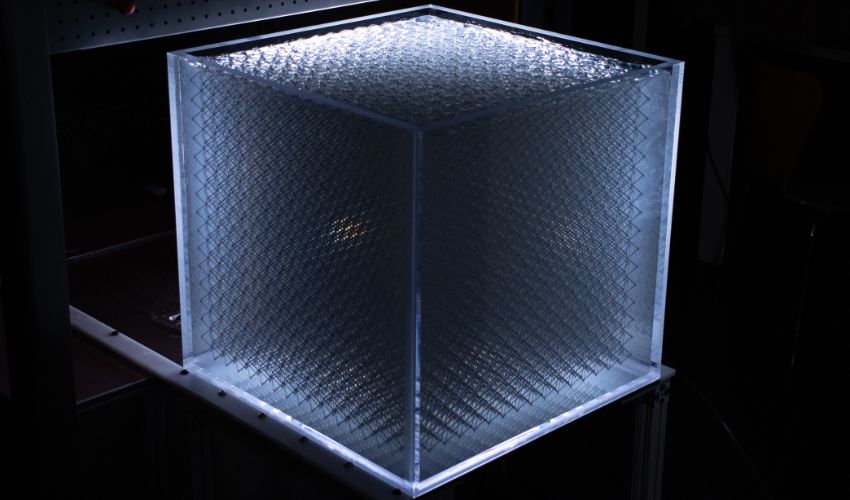 NewsRapid Liquid Print Brings Gravity Free 3D Printing to RAPID + TCTInnovation more than anything is the cornerstone of the additive manufacturing industry. Which is why, in the lead up to RAPID + TCT 2025, taking place in Detroit, Michigan on April 8-10, we are highlighting some of the most exciting…
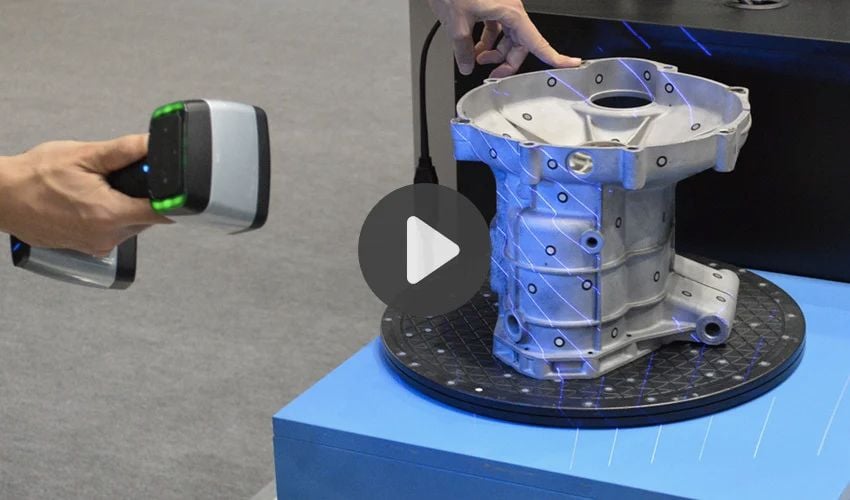 NewsSHINING 3D Offers High Precision Inspection With 3D ScanningSHINING 3D is a manufacturer of 3D digital technologies. Its ecosystem of solutions covers the entire digital manufacturing workflow, from 3D scanning to 3D printing, design and inspection, in a wide range of applications and industries. At Formnext this year…
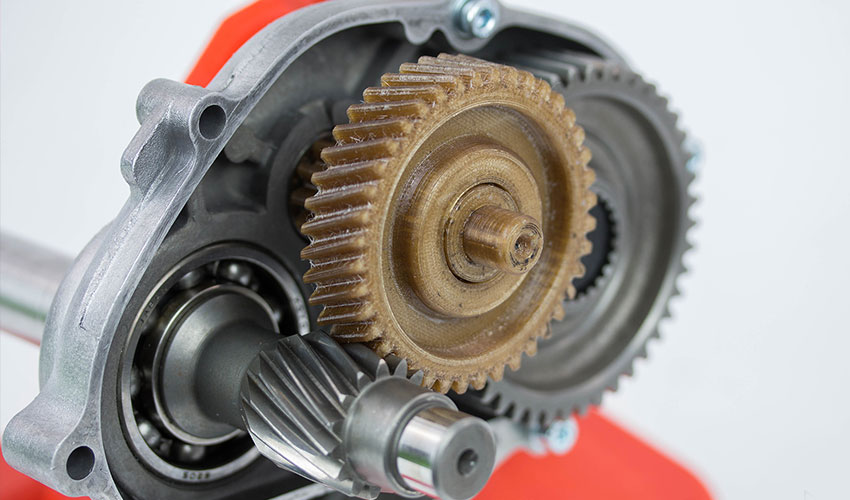 MaterialsWhy adopt PEEK 3D printing in your company? Experts give their advice!The rapid evolution of additive manufacturing brings with it the development of multiple materials. In the last two years alone, material suppliers have doubled according to the latest Wohlers Report. Although material growth is still leading in metals, in second…