Applications
3D Bioprinting to Directly Repair Human Body Organs
Every year, millions of people around the world suffer tissue damage due to disease, trauma or injury. During surgical procedures, medical professionals primarily use stitches to promote tissue healing. However, a failure during surgery can lead to complications and may…
- 3 min read
- Applications
- Six more stories
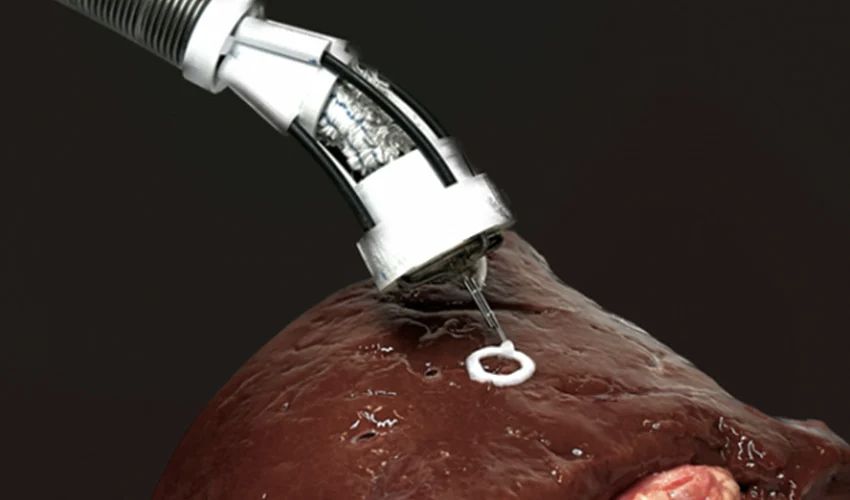
Every year, millions of people around the world suffer tissue damage due to disease, trauma or injury. During surgical procedures, medical professionals primarily use stitches to promote tissue healing. However, a failure during surgery can lead to complications and may cause infections. To combat this problem, researchers at the University of New South Wales in Australia have developed a miniature, flexible robotic arm to directly repair damaged human body tissue or organs using 3D bioprinting.
The medical sector increasingly uses 3D printing for research and surgery. Indeed, many 3D bioprinting projects have been launched to reproduce cellular structures, organs of the human body or to support research on serious diseases. It can also be used in other fields, such as cosmetics. Take for example beauty company Chanel, which created 3D bioprinted skin to investigate skin conditions in order to improve its product line.
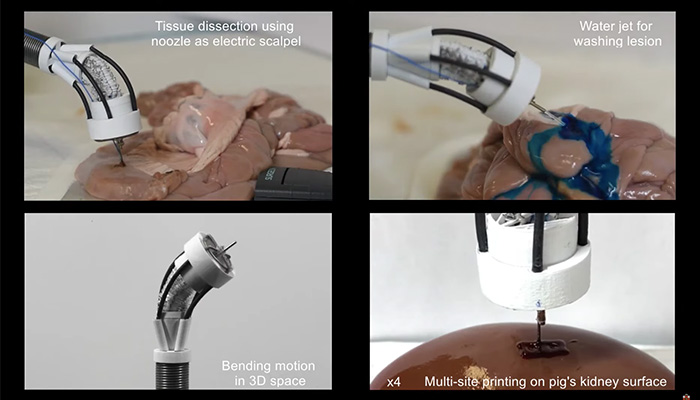
The F3DB 3D bioprinter has several features (photo credits: University of New South Wales)
The F3DB, a Miniature 3D Bioprinter
Led by Dr. Thanh Nho Do and Dr. Mai Thanh Thai, the device, known as the F3DB, is a tiny, flexible 3D bioprinter. They designed the F3DB to be inserted into the body via small incisions or natural openings; bio-materials can then be applied to the surface of internal organs and tissues. The solution consists of a three-axis rotating print head attached to the end of a remotely controllable robotic arm. The nozzle can be programmed to print pre-designed shapes, but it can also be manually manipulated for more complex operations.
More from the desk
Six other notes from the rest of the bench.
 NewsHeat Treatment in 3D Printing: All You Need to KnowPost-processing is a key stage in additive manufacturing. Indeed, there are a number of different methods used in the industry, which differ depending on the 3D technology used: depowdering, removal of supports and coloring, among others. Now it’s time to…
 GuidesGenecis is converting food waste into 3D printing filamentsGenecis Bioindustries Inc. is a young Canadian company that uses various advanced technologies to convert food waste into PHA, biodegradable plastics obtained by bacterial fermentation. These materials can be converted into 3D printing filaments, which could eventually lead to mo
 ApplicationsYoYo, a 3D printed electric car for less than €8,000Do you remember the small 3D printed electric car project by the Italian company XEV? When we told you about the latest developments of the project earlier this year, we had our doubts as to its relevance. However, it seems…
 MaterialsHP adds highly reusable polypropylene to its range of materialsThe US additive manufacturing giant, HP has unveiled a new material for its Multi Jet Fusion 3D printing solutions. In collaboration with chemical company BASF, it is developing a powder and highly reusable polypropylene, called 3D High Reusability PP, it…
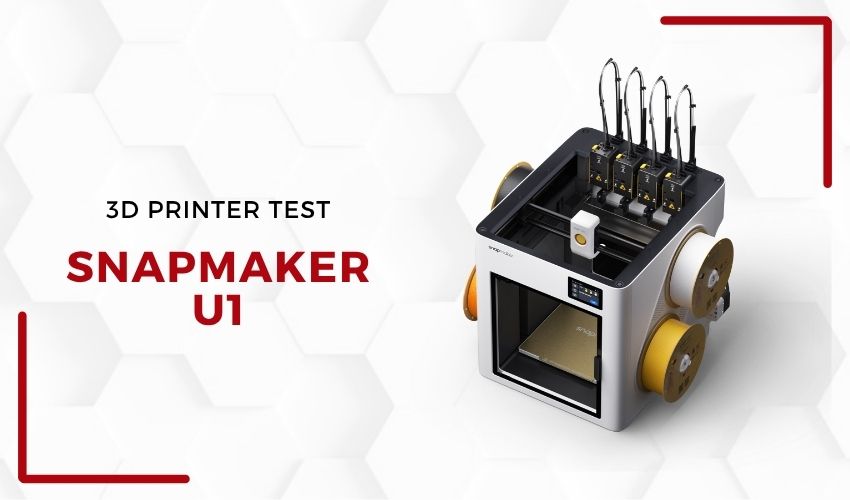 News3Dnatives Lab: Review of the Snapmaker U1 3D PrinterLong known for its versatile digital fabrication machines—which combine 3D printing, CNC machining, and laser engraving in a single device—Snapmaker has been undergoing a significant strategic shift in recent years. Following the success of its Snapmaker 2.0 and Artisan models,&h
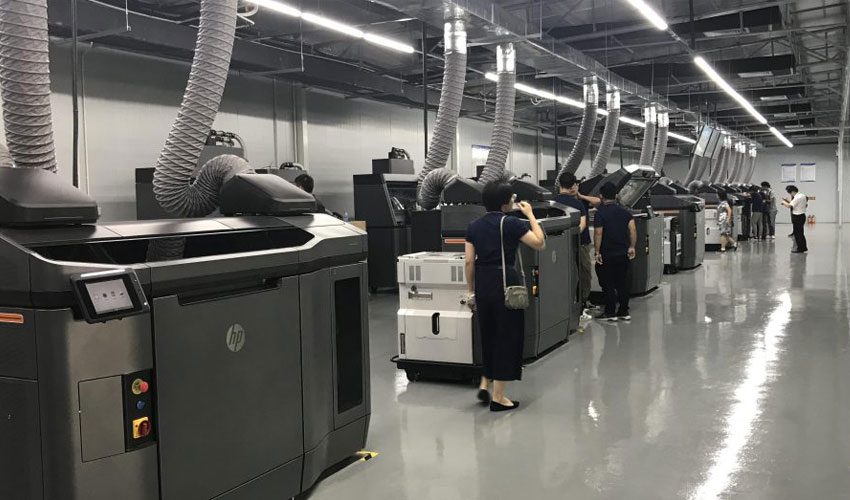 NewsHP opens 3D printing center in ChinaUS manufacturer HP has unveiled a new 3D printing center in Dali, China that features 10 Multi Jet Fusion 3D printers. With this unveiling, HP is reinstating their desire to expand their activities in the Asia-Pacific region, one year after…