Guides
Genecis is converting food waste into 3D printing filaments
Genecis Bioindustries Inc. is a young Canadian company that uses various advanced technologies to convert food waste into PHA, biodegradable plastics obtained by bacterial fermentation. These materials can be converted into 3D printing filaments, which could eventually lead to mo
- 3 min read
- Guides
- Six more stories
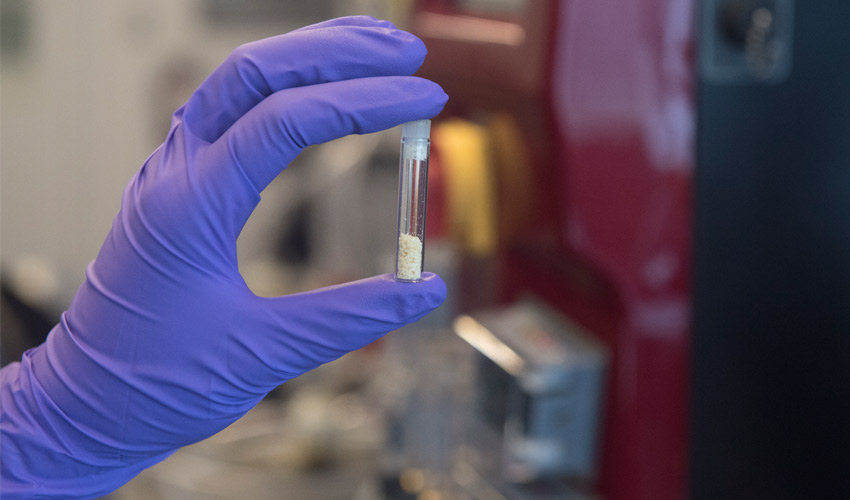
Genecis Bioindustries Inc. is a young Canadian company that uses various advanced technologies to convert food waste into PHA, biodegradable plastics obtained by bacterial fermentation. These materials can be converted into 3D printing filaments, which could eventually lead to more environmentally friendly parts. Indeed, PHA is a plastic that degrades completely in nature in one year and in less than ten years in a marine environment. We met Michael Willamson, Polymers Manager at Genecis, to learn more about the manufacturing process of these PHAs and their impact on the 3D printing industry as well as on general manufacturing.
3DN: Can you present the company and your connection to 3D printing?
Genecis Bioindustries Inc. is a bio-cleantech company that up-cycles food waste into higher value materials. The first product line we are commercializing is polyhydroxyalkanoates (PHA), a fully biodegradable polymer that readily degrades in marine and terrestrial environments within a year and has superior properties to conventional plastics such as polypropylene and polyethylene. Specifically, PHAs have the following physical/ chemical characteristics biocompatibility, low water permeability, and high thermal-resistance. Additionally, PHAs can be blended with various petroleum plastics and can be easily recycled to form composite resins. An excellent application for PHAs is 3D printing filaments, which can be used in combination with PLAs, ABS, or starch-based bioplastics, offering better physical characteristics to printed end-products.
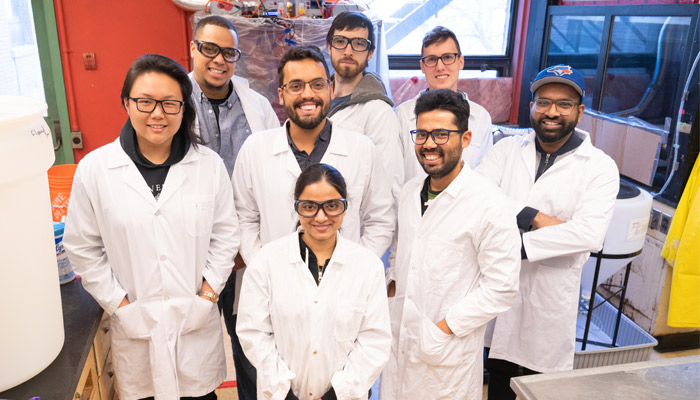
The Genecis team
3DN: How did you get the idea of transforming food waste into bioplastic?
Luna Yu, the Founder of Genecis, conducted significant research into anaerobic digestion and realized the inherent unprofitability of the process and that the overall process could be split into two major microbial fermentation steps. The first step was a relatively quick process that produced an intermediate that could be fed to a specialized set of bacteria that could eat carbons and produce polyhydroxyalkanoates (PHAs). PHAs are a family of high-quality biodegradable polymers with functionalities superior to commodity plastics and hundreds of applications in a variety of industries.
More from the desk
Six other notes from the rest of the bench.
 NewsTop 5 Videos: Ford Motor Company Large-Format 3D PrintingIn this week’s compilation of 3D printing videos, discover how the Ford Motor Company is using large-format 3D printing, resulting in the company saving over 90% manufacturing time! Next, you will go behind the scenes of Mighty Buildings, an American…
 News3Dnatives Lab: Our Test of Formlabs Form 2The story of FormLabs began at MIT in 2011, when students Maxim Lobovsky, Natan Linder and David Cranor developed the first low-cost compact 3D printer based on the Stereolithography process. Backed by several financiers and following the commercial success of…
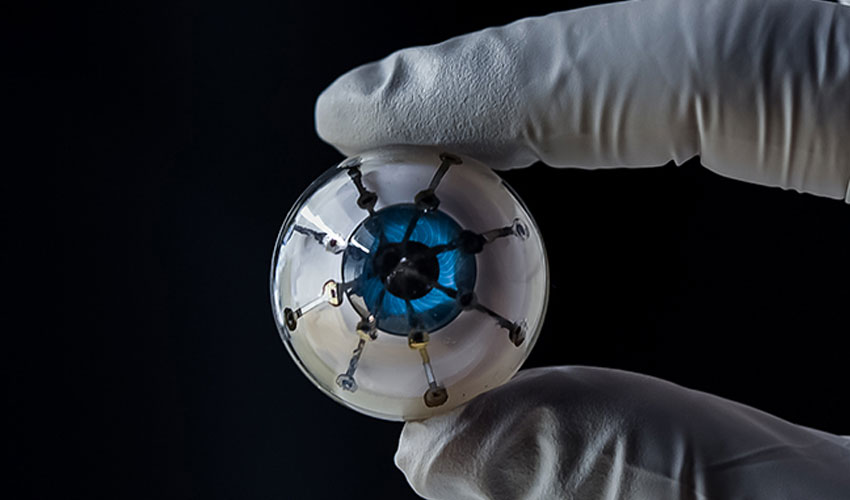 NewsResearchers creates prototype of a 3D printed bionic eyeThe University of Minnesota (UMN) McAlpine research group claims to have successfully 3D printed optoelectronic devices using polymeric photodetectors on hemispherical surfaces. These first prototypes could accelerate the development of a 3D printed bionic eye to help people with
 NewsGet your tickets & the speaker agenda for Formnext 2018!Formnext 2018 is coming up! One of the most important fairs of additive manufacturing in the world, its first edition was held in November 2015, and has only grown since then. The event is known for its unique combination of additive manufacturing…
 ApplicationsProject Chaos: when an ultracar meets 3D printingSpyros Panopoulos is a Greek racing car enthusiast who has given his name to his company: he recently unveiled the new project he has been working on for the past two years. Project Chaos is a ultracar with very high…
 ApplicationsNew Zealand researchers 3D-print corneas from fish scalesResearchers at Massey University have successfully made a new 3D-printer. This printer is special: it can 3D-print new corneas, which can then be used to transplant them into humans. The best part? The printer creates these new corneas from fish scales.…