Guides
Tailor Surgery on the Use of Additive Manufacturing in Medicine
The usage of 3D printing in the medical domain continues to expand. Presently, it is possible to fabricate personalized medical devices tailored to individual patients, including prosthetics, orthotics, and custom implants. Moreover, additive manufacturing serves as a valuable ai
- 3 min read
- Guides
- Six more stories
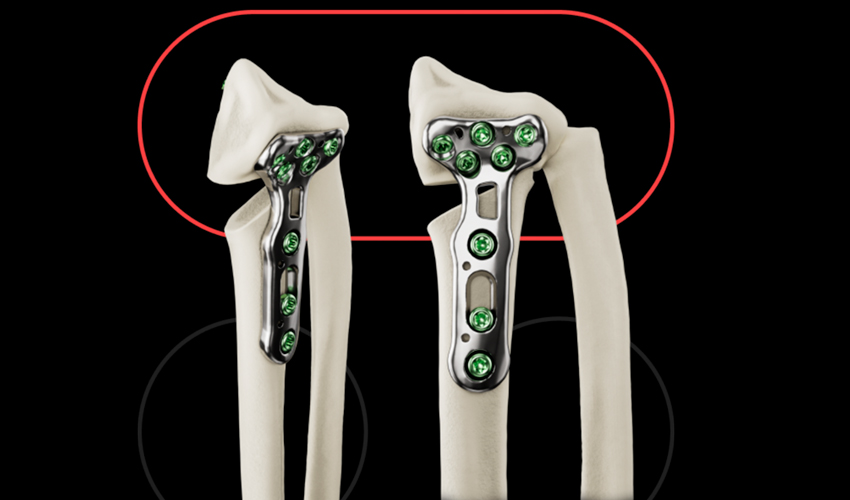
The usage of 3D printing in the medical domain continues to expand. Presently, it is possible to fabricate personalized medical devices tailored to individual patients, including prosthetics, orthotics, and custom implants. Moreover, additive manufacturing serves as a valuable aid in complex surgical procedures by enabling the creation of intricate models and surgical guides. Worldwide, the significance of 3D technology is on the rise, with numerous hospitals, universities, research laboratories, and health centers already embracing this manufacturing approach. One exemplary medical facility using 3D printing is Tailor Surgery, with whom we had a conversation to delve deeper into the application of 3D printing in medicine.
3DN: Could you please introduce yourself and share your connection with 3D printing?

Dr. Ferran Fillat
My name is Dr. Ferran Fillat Gomà, and I specialize in orthopedic surgery and traumatology. I completed my PhD thesis on the utilization of 3D printing in my field, particularly focusing on its impact on enhancing the diagnosis of proximal humerus fractures. Recognizing the diverse potential of 3D printing in traumatology, I took the initiative to establish the digital surgical planning laboratory, now known as 3DPTLab, at the Research Institute of Parc Taulí Hospital. Alongside my PhD work, I initiated various research endeavors related to 3D printing and its clinical applications. Currently, the hospital’s 3D lab is actively engaged in over 22 research projects, aimed at providing scientific evidence for the implementation of this technology in other medical specialties beyond traumatology.
3DN: How did the idea of founding Tailor Surgery originate?
The establishment of Tailor Surgery arose from a genuine clinical requirement. We recognized the potential of 3D printing to offer personalized treatments in orthopedic surgery. In the current landscape of orthopedic surgery and traumatology, a majority of procedures conducted in the operating room involve standard implants. Despite the existence of technology for personalization, most surgeries still rely on fitting the patient to the implant. The significant advantage of 3D printing lies in its ability to create customized implants for each individual patient. By utilizing digital surgery in advance, this technology allows us to anticipate challenges and complications prior to the actual surgery. Consequently, we can enhance the patient’s diagnosis and provide a safer, more accurate, and efficient treatment approach.
More from the desk
Six other notes from the rest of the bench.
 GuidesHenkel discusses 3D printing material development, and moreFounded in 1876, Henkel is a multinational company active both in the consumer and industrial sectors. While the company is headquartered in Düsseldorf, Germany, more than 80 percent of its employees work outside of Germany. In 2016 the company entered the…
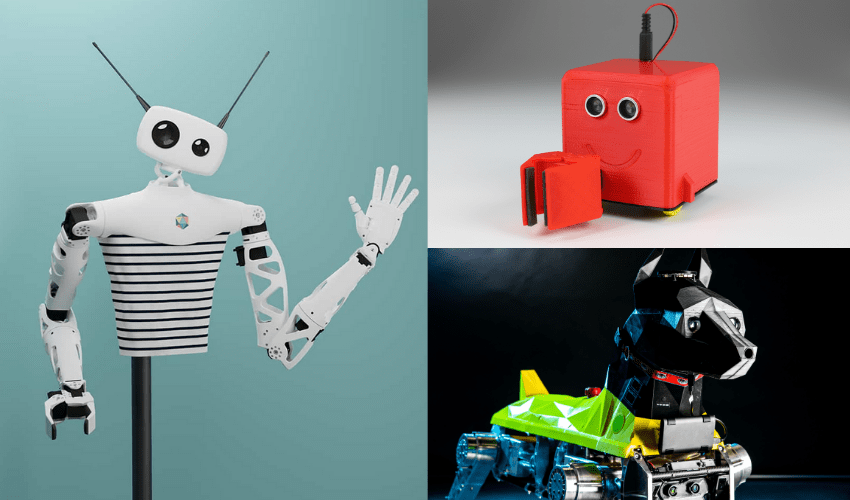 GuidesThe Top 3D Printed RobotsRobotics brings together all the technologies that make it possible to design autonomous machines; combining knowledge in electronics, mechanics, and even biology. This is a field that has evolved quite a bit since C-3PO first hit the movie screens in…
 ApplicationsWas the Artemis II Toilet 3D-Printed in Titanium? What We Really KnowThe Artemis II mission launched on April 1, carrying four astronauts on the first crewed flight around the Moon in more than half a century. On board was the Universal Waste Management System (UWMS), the first functional toilet to travel…
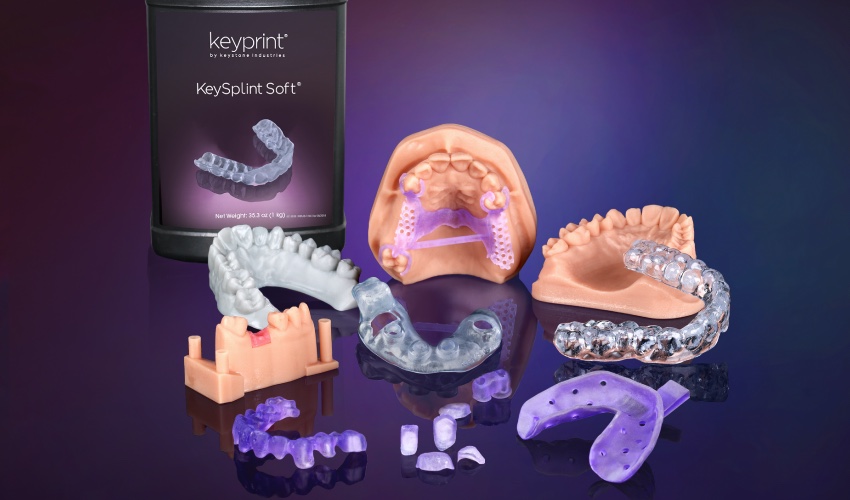 ApplicationsPartnership between Henkel and Keystone to advance dental AM solutionsAccording to the report by a consulting and market research firm, QY Research, the dental 3D printing industry is expected to reach $930 million by the end of 2025. In other words, the market is estimated to grow at an annual…
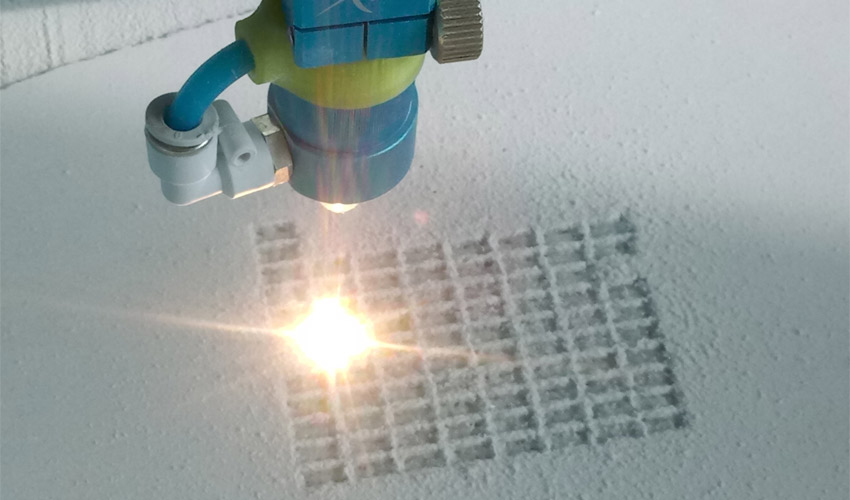 Materials#3DStartup: ING3D and its Mineral 3D Printing SolutionsBased in Germany, our startup of the month is ING3D which has developed a mineral 3D printing process inspired by powder sintering, called Mineral Direct Laser Sintering (MDLS). Thanks to this unique process, it is possible to design very light…
 NewsKIMYA Closes Due to Economic DifficultiesKIMYA, a French company and subsidiary of ARMOR GROUP, has just announced the closure of its production site based in Les Sorinières, Loire-Atlantique, France, and thus the sale of its business. This decision, which will result in the loss of…