Applications
Swiss Scientists Use 3D Printing to Create Personalized Corneas
A team of Swiss researchers at Empa, together with the University of Zurich, Zurich Veterinary Hospital, and Radboud University in the Netherlands, is developing a transparent, biocompatible corneal implant produced using 3D printing technology. The implant is designed to repair&
- 3 min read
- Applications
- Six more stories
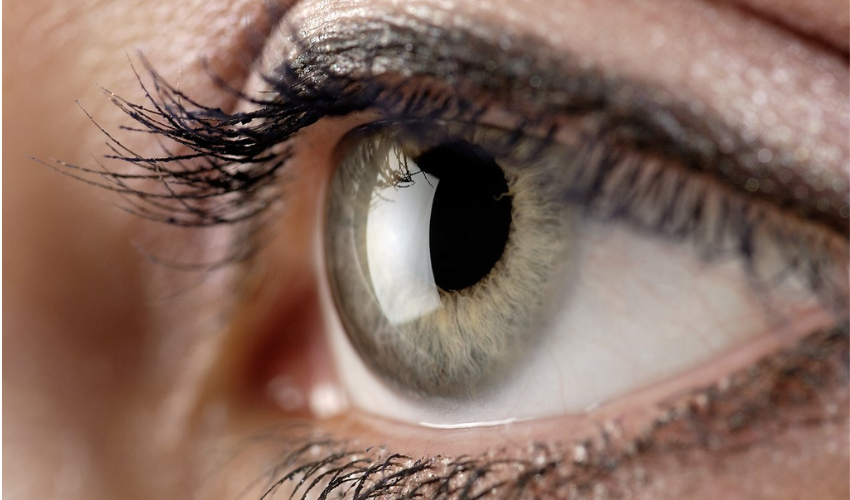
A team of Swiss researchers at Empa, together with the University of Zurich, Zurich Veterinary Hospital, and Radboud University in the Netherlands, is developing a transparent, biocompatible corneal implant produced using 3D printing technology. The implant is designed to repair damaged corneas permanently without relying on donor tissue, offering new possibilities for millions affected by vision impairment worldwide.
The cornea, a 500 to 600-micrometer-thin tissue, acts as the eye’s outermost protective layer. Damage from infection, injury, or malformation can result in partial or complete vision loss. Currently, only around 100,000 corneal transplants are performed globally each year due to the limited availability of donor tissue, leaving the majority of patients untreated.
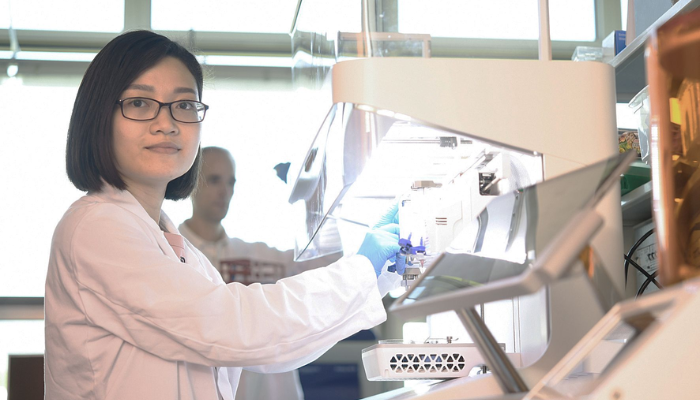
Hien Le is one of the lead researchers working on the artificial cornea. (Photo Credit: Empa)
To address this shortage, the Swiss-led research team is developing a self-adhesive artificial cornea made from hydrogel composed of collagen and hyaluronic acid. The implant is produced using 3D extrusion bioprinting, which allows the shape and curvature to be customized precisely to each patient’s eye. Additives in the hydrogel provide the necessary biomechanical stability to protect the eye while maintaining transparency.
More from the desk
Six other notes from the rest of the bench.
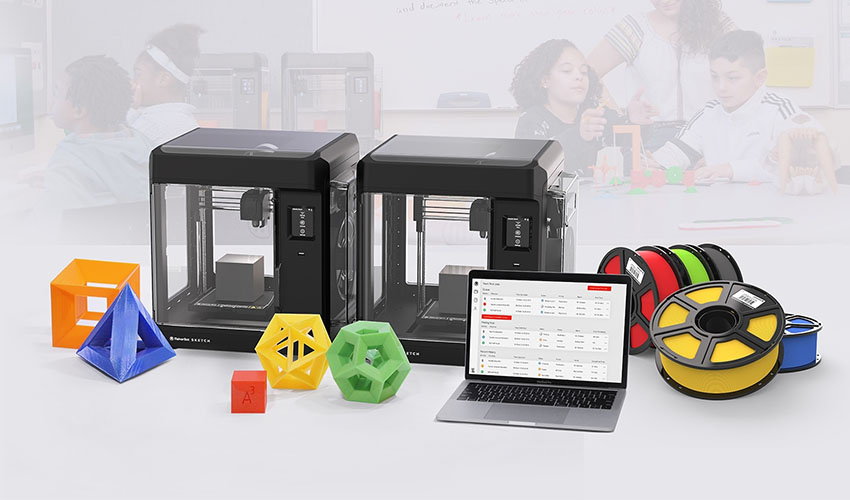 PrintersMakerBot launches SKETCH Classroom for students and teachersOver the last few months, the education system, and more particularly the school system has become aware of the huge potential and need to educate their students on 3D printing. This demand has been heard by MakerBot, one of the…
 NewsCould 3D Printed Foods Made With Alternative Protein Sources Like Insects Prevent Food Crises?Researchers from the Singapore University of Technology and Design (SUTD) recently introduced a more sustainable 3D food printing approach. By using alternative protein sources including algae, plants, and insects, and combining them with more common nutrient-rich foods such as v
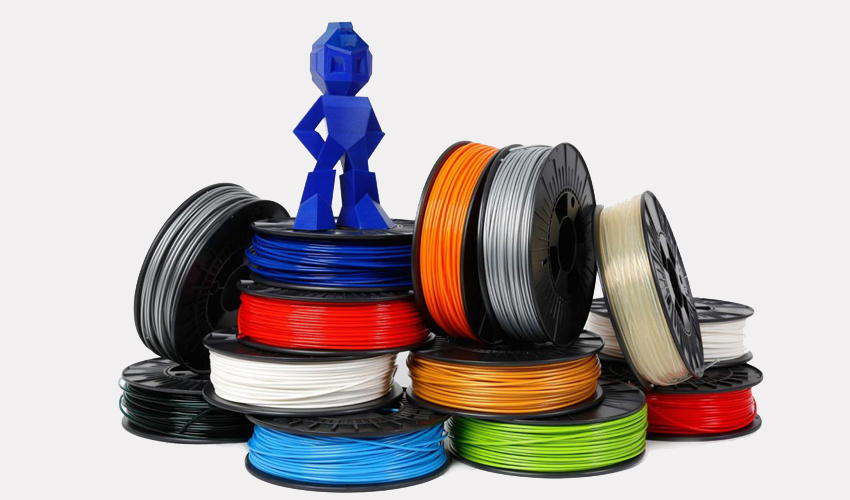 MaterialsWhy is the global filament material market expected to grow significantly?The research firm Ameco Research has just released a report on the global 3D printing filament market – they have predicted that from 2017 to 2024, the market will grow from $ 255 million to $ 1,189 million, which represents…
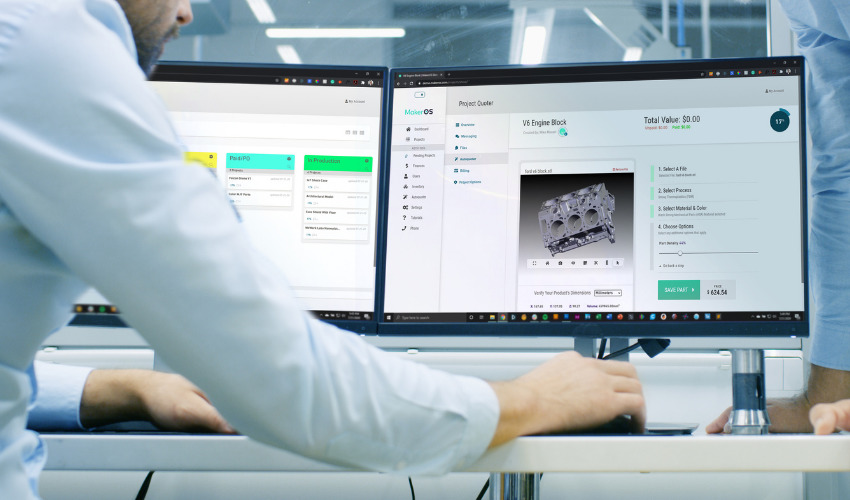 SoftwareHow to Benefit from AM Workflow Management Software: Experts Give Their Advice!As 3D printing solutions are increasingly adopted in a variety of industries, there has been a clear need for streamlined solutions to ensure that every step of the process of creating parts is optimized. Enter additive manufacturing workflow management software…
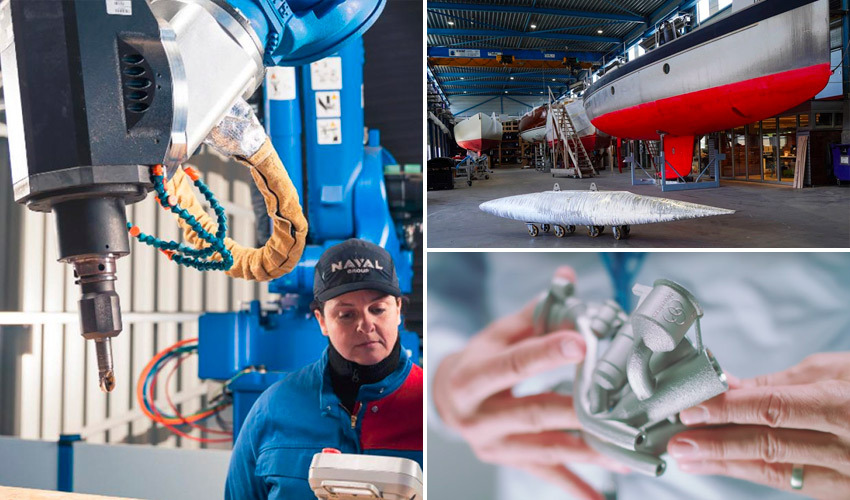 GuidesTaking a Closer Look at 3D Printing Applications in the Maritime SectorIt is common knowledge that additive manufacturing is helping the conquest of space, but did you know it can also be found in our oceans? From 3D printed boat propellers to submarine parts and metal keels, the applications of 3D…
 GuidesGRYP: 3D Printing Spare Parts for Classic CarsGRYP are an innovative French startup that are endeavouring to 3D print car parts for classic cars. The problem with classic cars is parts are no longer made and therefore restoration is very expensive. GRYP are using 3D printing to…