Materials
Why is the global filament material market expected to grow significantly?
The research firm Ameco Research has just released a report on the global 3D printing filament market – they have predicted that from 2017 to 2024, the market will grow from $ 255 million to $ 1,189 million, which represents…
- 3 min read
- Materials
- Six more stories
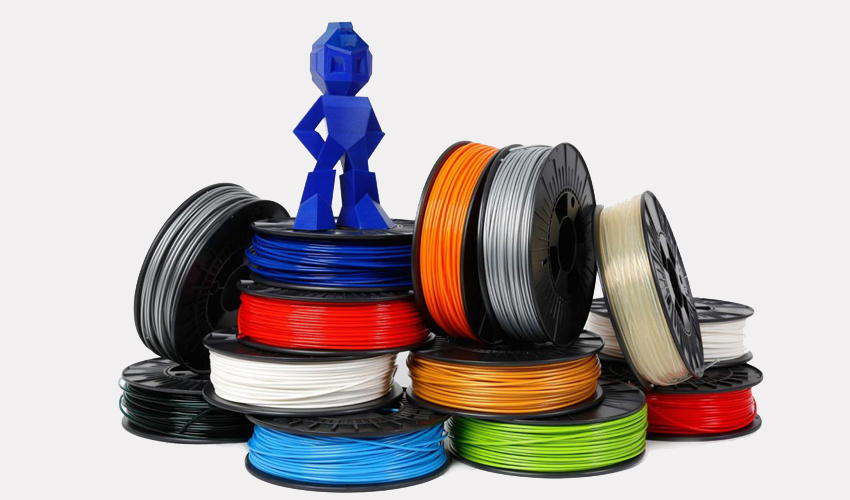
The research firm Ameco Research has just released a report on the global 3D printing filament market – they have predicted that from 2017 to 2024, the market will grow from $ 255 million to $ 1,189 million, which represents a growth rate of 25.8%. We know that filament in additive manufacturing is the most popular material today, as a result of the most popular technology being filament extrusion (FDM). This technology was developed and patented by the giant Stratasys. When their patent expired, many companies had the opportunity of developing their own equipment based on this same technology. The market for FDM 3D printers grew and naturally the filament market followed.
Ameco Research based its predictions on historical data based on news, articles, publications, annual reports, white papers and other secondary sources, as well as talking with the key opinion leaders of the market. They identified the key driver behind the growth predicted as being the growing usage in a large variety of applications. The research company observed a shift towards eco-friendly plastic over petrochemical based plastics. Accordingly, this should increase investment in 3D printing across the globe.
In terms of filament types, the ABS material held the largest market share of global 3D printing filament material market in 2017. On the other hand, it is PLA that is predicted to grow most over the forecast period. Unlike ABS, PLA is biodegradable; it is manufactured using renewable raw materials such as cornstarch. On the other hand, ABS is a thermoplastic that contains a base of elastomers based on polybutadiene that make it more flexible and resistant to shocks. It is PLA’s biodegradable eco-friendly property that should propel its growth according to the report. Moreover, it is the industrial segment that represents the largest end-user market for 3D printing filament material in 2017 and it is expected that its dominance will continue over the forecast period.
More from the desk
Six other notes from the rest of the bench.
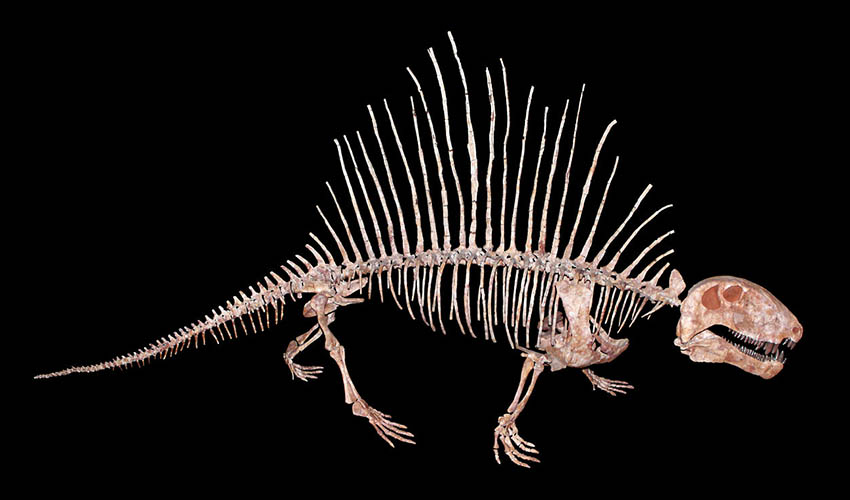 PrintersReplicating rare prehistoric fossils through 3D scanningAt the Texas Through Time museum, the fossilized skeleton of a Dimetrodon limbatus was 3D scanned by NVision, specialized in 3D scanning solutions. This will enable to 3D print an exact replica of the fossil skeleton. Usually, in order to…
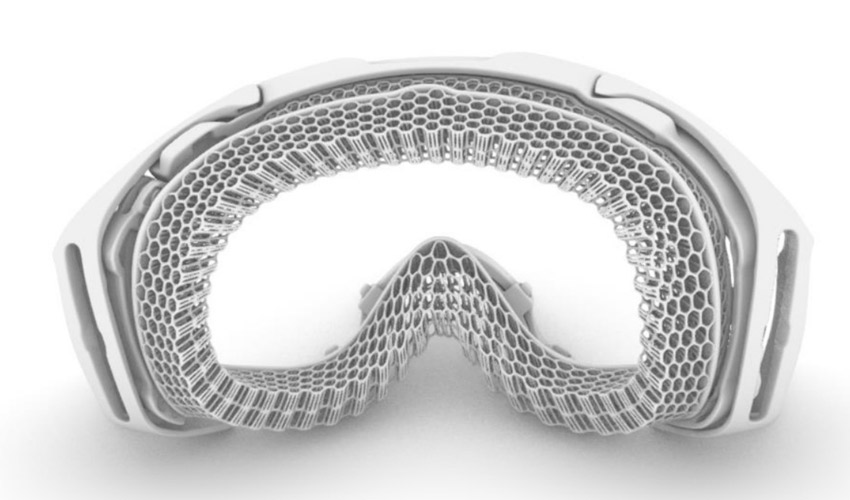 NewsOECHSLER Rethinks Ski Mask Design with 3D printingIncreasingly, companies are seeing the benefits of using 3D printing in sports. Another company has entered the ring. German company OECHSLER, which specializes in the development and manufacture of high-tech products and systems, recently turned its attention to the design&helli
 NewsASTM & AMERICA MAKES release AM data management guideStandards organization ASTM International collaborated with America Makes to compile a strategic guide for additive manufacturing data management, which was recently released under the name “Strategic Guide for Additive Manufacturing Data Management and Schema“ . The guide identi
 MaterialsHolograms could improve the metal additive manufacturing processAt the University of Cambridge, researchers have just started a three-year research programme to accelerate the manufacture of 3D printed metal parts using computer-generated holography. This photographic process makes it possible to reproduce the relief of objects using the inte
 NewsTop 5 Videos of the Week: 3D printing glass with new technique…This week we found the top 5 videos about 3D printing and the way additive manufacturing is shaping our society. The technology has infiltrated many sectors, from medical to automotive! Check out our selection of the week to keep up with the innovations! This week we…
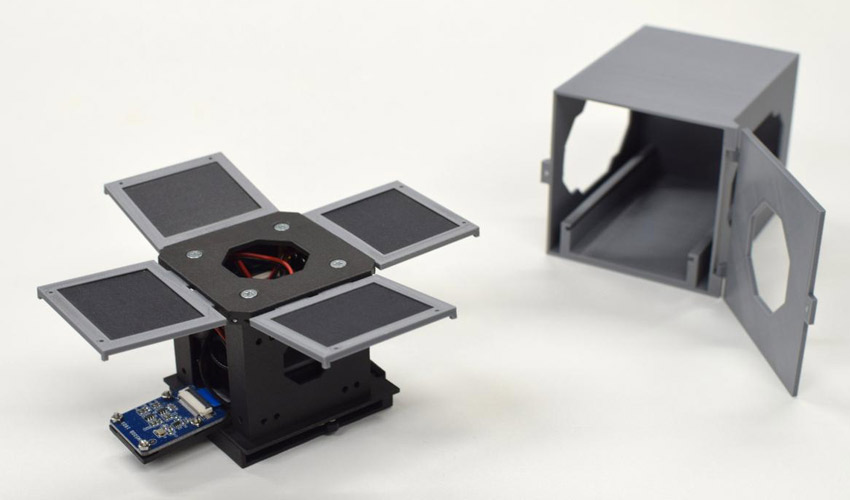 NewsDiscovery, the 3D printed carbon fiber satelliteMini-Cubes is a young American company that designs very small satellites: called PocketQubes, they measure only 5 cm and remain more accessible than traditional satellites. The reason we are telling you about it today is because the company has started…