News
What are the business benefits of support-less metal additive manufacturing?
Today, metal additive manufacturing is still predominantly used to make functional prototypes, tooling components and spare parts. Step by step, it is starting to be employed for production-oriented use. In a study published by SmarTech Analysis, the consulting firm predicted&hel
- 3 min read
- News
- Six more stories
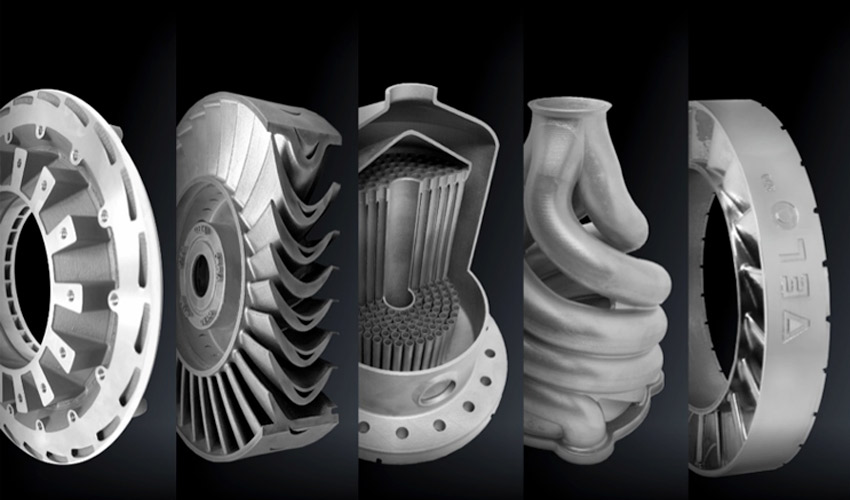
Today, metal additive manufacturing is still predominantly used to make functional prototypes, tooling components and spare parts. Step by step, it is starting to be employed for production-oriented use. In a study published by SmarTech Analysis, the consulting firm predicted that metal additive manufacturing would generate $228 billion worth of metal components over the coming decade. One of the key benefits of metal additive manufacturing is that designers can model parts with a new level of design freedom. But how much design freedom does metal additive manufacturing truly enable?
We ask the question because in the most widely used metal AM process, laser powder bed fusion, unlike polymer powder bed fusion (also known as SLS), metal parts are attached to the build platform through support structures. And these support structures add considerable design and manufacturing constraints. They are built using the same material as the part and are essential to mitigate the warping and distortion that may occur due to the high processing temperatures. The metal additive manufacturing solution provider, VELO3D, has developed a support-less technology to further optimize time, cost and quality of metal parts. In fact, the company has been enabling engineers to produce parts that were previously impossible to manufacture using traditional methods.
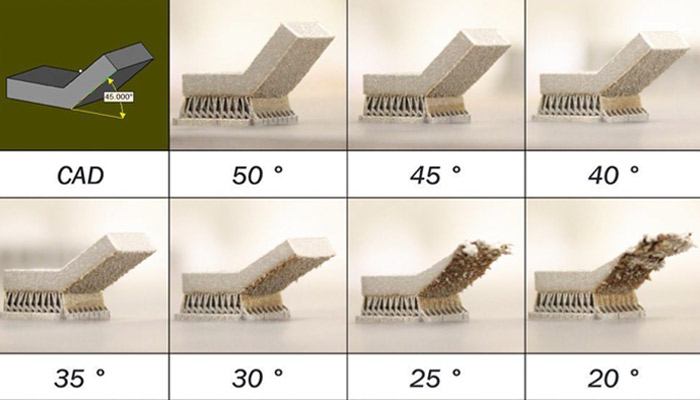
Existing metal AM machines today require angles less than 45 degrees to have support structures. As the angle decreases, the downward facing surface becomes rough and eventually the part will fail if the angle is reduced too far | Credits: Protolabs
A support-less metal additive manufacturing technology
Support structures are necessary in 95% of metal additively manufactured parts, as estimated by Protolabs. Essentially, they are required for all angles less than 45 degrees. Under 45 degrees, they offer a suitable platform for the next layer to be built upon, they anchor the part to the build plate, they prevent warping and also help draw heat away, allowing the part to cool at a more controlled rate. If they are not included, as the angle decreases, the downward-facing surface will become rougher and eventually the part will fail if the angle is reduced too far.
More from the desk
Six other notes from the rest of the bench.
 NewsHow does a concrete 3D printer work?In recent years the role of additive manufacturing in the construction industry has become increasingly important. In particular, concrete 3D printers have been continuously gaining popularity among architects and construction firms. After water, concrete is the most widely used
  PrintersBigRep Ships its 500th Large-Format 3D PrinterThe leading large-format 3D printer manufacturer, BigRep, celebrated the delivery of its 500th industrial machine last week. The company was founded in 2014, and is well known in the additive manufacturing industry for having developed some of the world’s largest…
 NewsFirst Ever 3D Printed School to Open in MadagascarThe first ever 3D printed school is set to open its doors later this year. It may seem that the novelty of this feat is somewhat lessened by the dozens of additive manufacturing construction projects preceding it. But rest assured,…
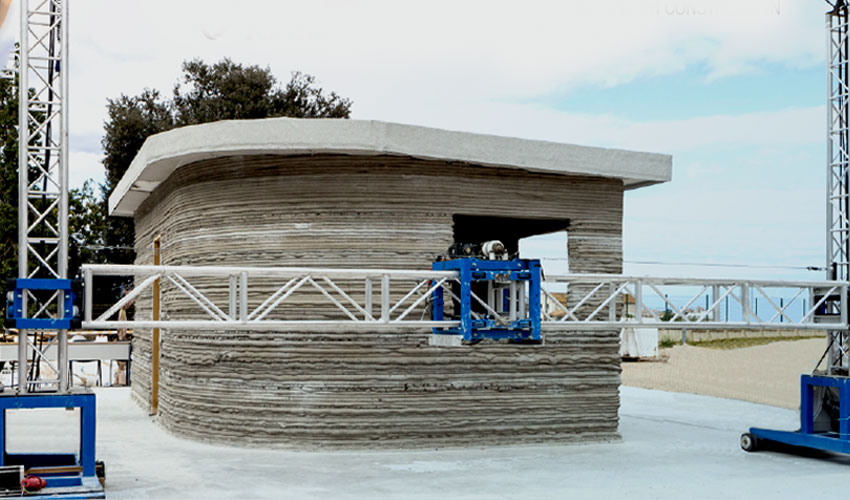 NewsBe More 3D launched the construction of the first 3D printed house in Africa3D printing in the construction sector is booming, in fact SmarTech Publishing estimated this market will reach $40 billion by 2027. As a result, more and more companies are joining this new wave of manufacturing, which not only saves materials…
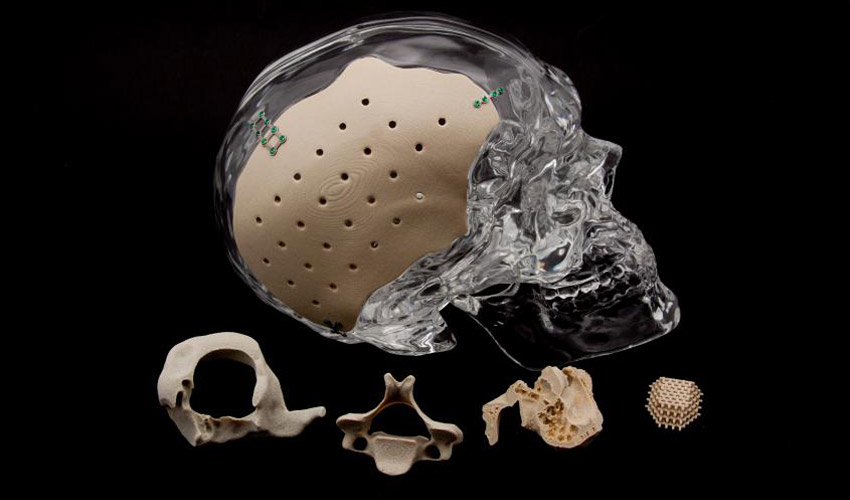 MaterialsResearchers use PEKK implants to accelerate bone regenerationWe have often reported on the advantages of high-performance materials such as PEEK, ULTEM or PEKK. Particularly in the medical field, some of these materials offer many benefits due to their biocompatibility. A while ago we reported on the first…
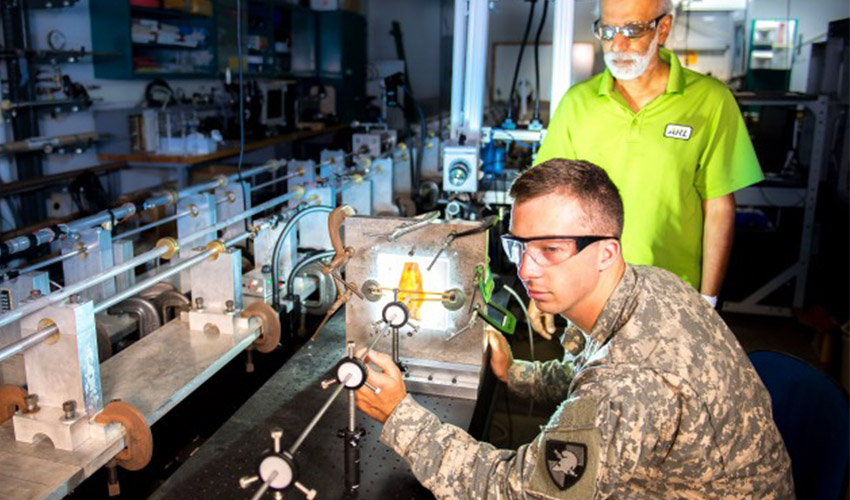 NewsUS Army studies how to predict when metal AM parts will degrade or failAs you may know, the US Army has been investing in additive manufacturing technologies to leverage the benefits of increased design freedom, shorter lead times, lower costs for unique parts, and increased performance. In fact, US Army researchers from the…