News
Spengler Automates 3D Printing Post-Processing With Its DCK 01 System
The 3D printing industry is constantly evolving, moving more and more towards mass production and the need to optimize production and post-processing processes. As highlighted in the latest report from PostProcess Technologies, which analyzes post-processing trends in 2022, indus
- 3 min read
- News
- Six more stories
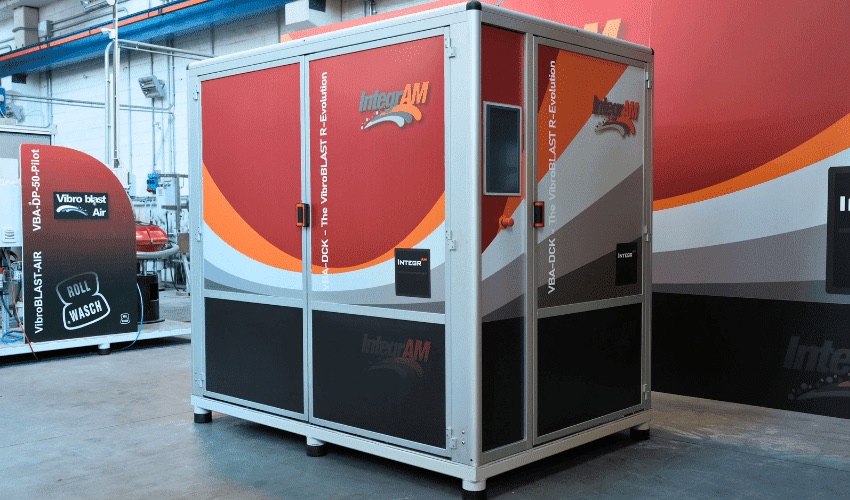
The 3D printing industry is constantly evolving, moving more and more towards mass production and the need to optimize production and post-processing processes. As highlighted in the latest report from PostProcess Technologies, which analyzes post-processing trends in 2022, industry users are showing a growing interest in process automation, and are increasingly focusing on the issue of workplace safety. Post-processing activities are still often performed manually and separately, making them repetitive, time-consuming and unattractive for operators and companies alike, who would like to allocate manpower and talent to higher value-added activities.
Against this backdrop, Spengler, a young company born from founders Stefano Rebecchi and Alessandro Facchini’s more than ten years’ experience in 3D printing, is specializing in post-processing in order to fill certain gaps in this market segment. The company, part of the Franco-Italian IntegrAM group, now offers a wide range of services and solutions for additive manufacturing: from the design of customized SLS printing systems to materials development consultancy, automatic post-processing systems for polymer 3D printing and surface finishing for metals. One of the most interesting solutions on offer is the DCK 01 system.
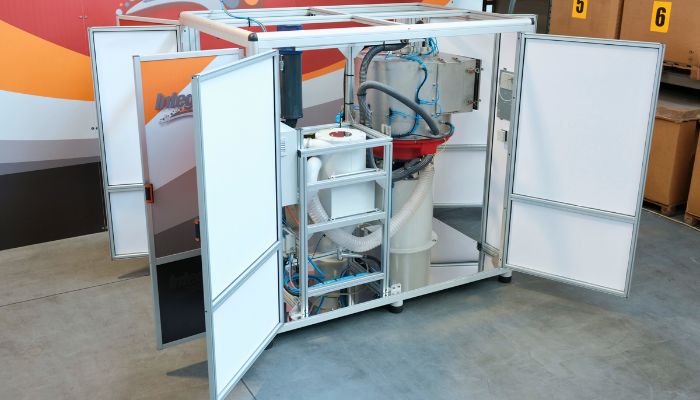
The systems offered by Spengler are produced in Italy in collaboration with IntegrAM Group partners.
This is a fully automated post-processing system for PBF (Powder Bed Fusion) additive technologies, comprising the various individual modules offered by Spengler, which combine perfectly in this all-in-one solution. According to the manufacturer, DCK 01 is the only automated solution capable of offering decaking, cleaning, surface finishing and depowdering. But what are the technical features of this post-processing solution? And how can it meet current industry needs?
More from the desk
Six other notes from the rest of the bench.
 News#3Dstartup: Metallum3D offers microwave sintering for metal AMIn recent years, the metal additive manufacturing segment has experienced a strong growth, explained in great part by the arrival of players who wanted to make it more accessible to users. These players have offered technologies close to MIM or…
 GuidesQOROX Transforms the Construction Game with 3D PrintingThe construction industry is undergoing constant change thanks to advances in 3D printing. We’ve seen the creation of a variety of 3D-printed structures, from shopping malls and houses to boats. This innovative technology offers numerous solutions to current challenges in&h
 NewsResults From 3D Printing Sentiment Index Show Global Growth Despite PandemicEvery year, Ultimaker conducts a global study analyzing the use of additive manufacturing and its adoption, as well as awareness and understanding of the industry and the challenges faced by users of the company’s 3D printers. The 3D Printing Sentiment…
 NewsNova Meat reveals 3D printed pork during global disruption in meat supplyAt the beginning of the year, the Barcelona-based startup Nova Meat presented version 2.0 of its 3D printed plant-based steak. Now, it unveils a new product: 3D printed plant-based pork meat that they call pork skewer 2.0. The startup, which…
 News3DExpress: Shapeways Declares BankruptcyIt has been a particularly interesting week for additive manufacturing. Between the end of RAPID + TCT and the huge announcements that we saw (including Nano Dimension’s intention to acquire Desktop Metal in the coming months), there was so much…
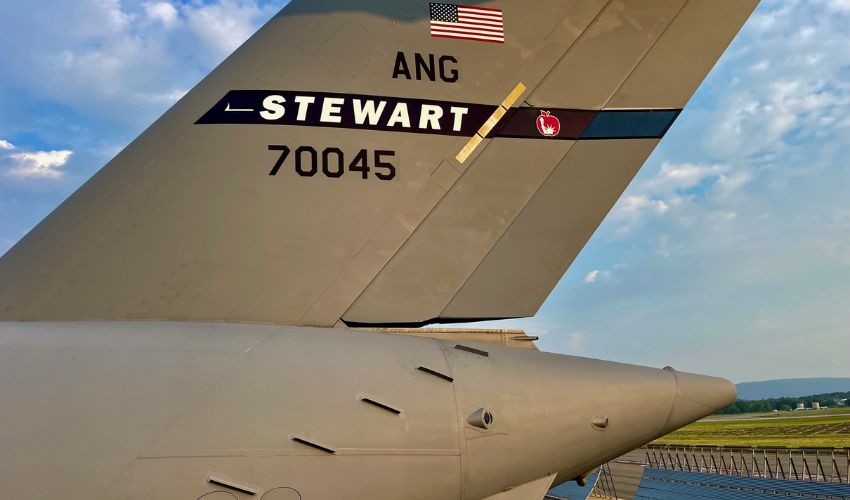 ApplicationsUSAF Installs 3D Printed Drag Reducers on C-17, Helping to Save Over $14M AnnuallyDrag reduction is a priority for airplanes as it helps to reduce fuel consumption, increase operational range and increase the speed of the craft. Now it seems that additive manufacturing could play a role. The Air Force Operational Energy and…