News
WASP and Olfattiva Open Shamballa, a 3D-Printed Farm and Research Site in Italy
On 8 June 2026, in the hills of Emilia-Romagna, WASP and Olfattiva unveiled Shamballa, an open-air laboratory where 3D-printed architecture, medicinal agriculture, and environmental restoration operate together on a single site. It is presented as a working reference for future&h
- 3 min read
- News
- Six more stories
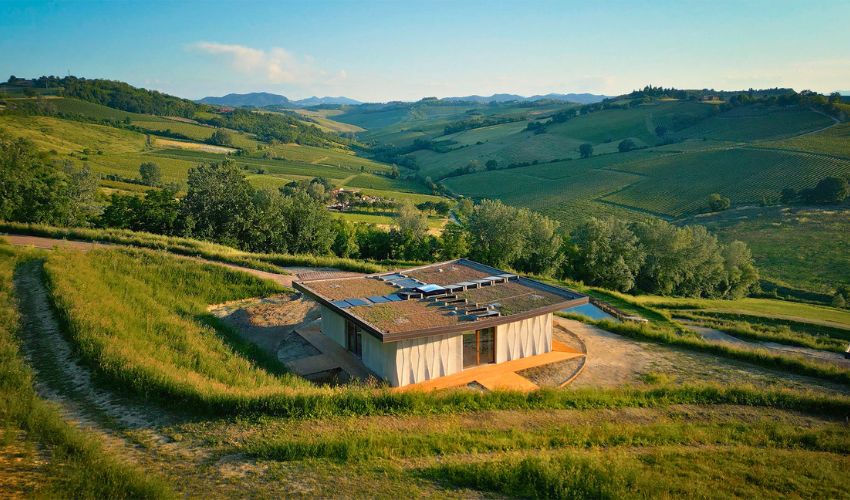
On 8 June 2026, in the hills of Emilia-Romagna, WASP and Olfattiva unveiled Shamballa, an open-air laboratory where 3D-printed architecture, medicinal agriculture, and environmental restoration operate together on a single site. It is presented as a working reference for future approaches to sustainable living built around regenerative systems and additive manufacturing.
A 3D-printed farm built to be replicated
At the heart of Shamballa stands Itaca, a self-sufficient farm produced by WASP 3D Build, WASP’s construction-focused startup. The Crane WASP printer uses four robotic arms anchored to a hexagonal frame. Working simultaneously, the arms can complete a structural shell in a couple of days.
The walls were printed using a mixture of pure natural hydraulic lime (NHL) and Geolegante, a mineral binder. WASP selected the material for two reasons: lower carbon emissions than traditional cement, and durability. Its high breathability also helps regulate temperature and prevent mold. The walls measure 60–70 cm thick and are filled with rice husk from agri-food waste, creating internal insulation. WASP states the combination achieves a net-negative CO₂ balance overall.
More from the desk
Six other notes from the rest of the bench.
 Applications3D Printed E-Ring Can Monitor Glucose Levels on a PhoneResearchers from the National and Kapodistrian University of Athens have developed a 3D printed electrochemical ring (e-ring) that enables diabetics to monitor their glucose levels from a smartphone. This allows the user to monitor their blood sugar levels just by…
 NewsWEBINAR: LIS Technology – The New Way of Ceramic 3D PrintingCeramic 3D printing has application in many fields: medical or dental, aerospace or even industrial – its use is widespread, but current methods are difficult to adopt and face many barriers to entry, especially for traditional ceramic manufacturers. In order…
 NewsStratasys – Desktop Metal Merger Falls ThroughIndustry giants Stratasys and Desktop Metal have frequently been in the news in the past few years, initially as both companies have undertaken their own mergers and acquisitions. in 2021, DM acquired companies EnvisionTEC and ExOne, specialists in DLP and…
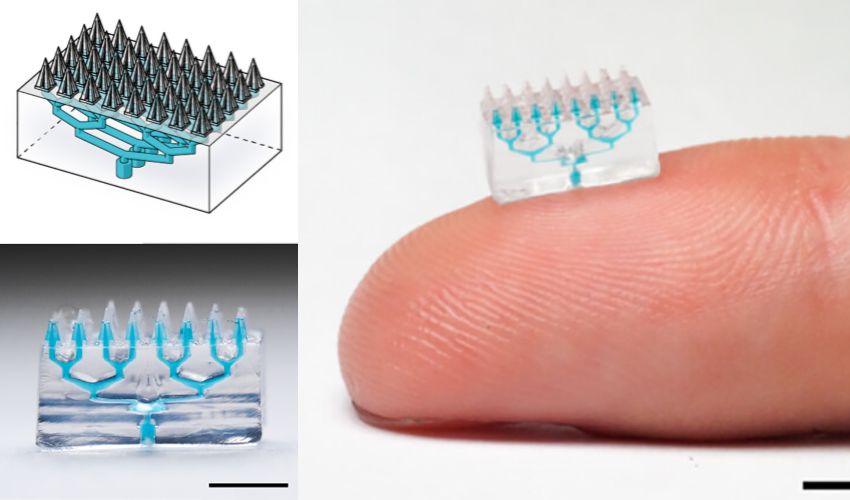 ApplicationsJoseph DeSimone on PinPrint, Carbon and Advice for AM InnovatorsJust over a decade ago, renowned chemist Dr. Joseph DeSimone introduced a groundbreaking technology that would form the foundation of the company Carbon, where he served as Co-Founder and CEO. This technology, known as Continuous Liquid Interface Production (CLIP), transformed re
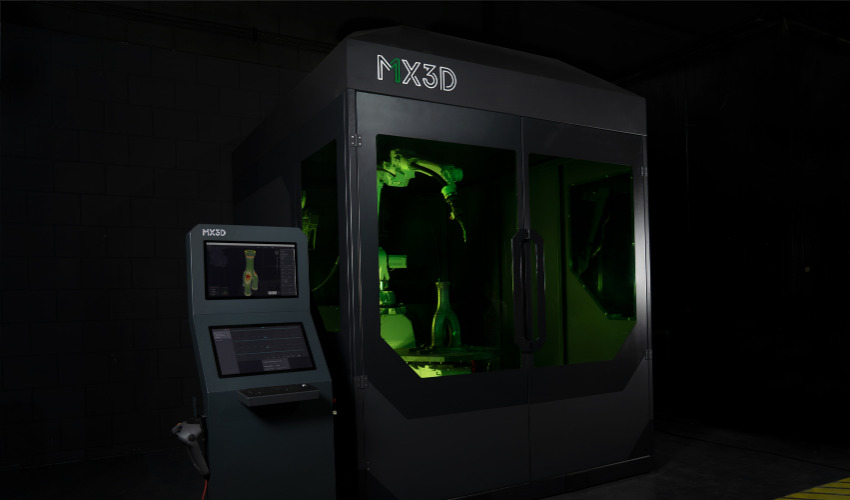 PrintersMX3D Raises €2.25M to Launch Their M1 Metal AM SystemMX3D, a robotic metal 3d printing company based in Amsterdam has raised €2.25 million thanks to investments from DOEN Participaties, PDENH and the Netherlands Enterprise Agency (RVO). The company plans to use the funds to launch the M1, their complete…
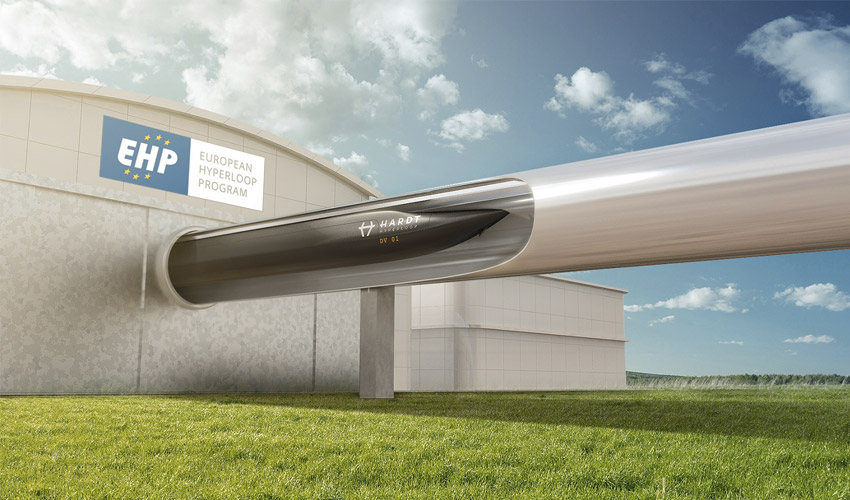 NewsEuropean Hyperloop Week, Innovative 3D Prototypes for the Transport of the FutureHave you heard of the Hyperloop project? The construction of this mode of transport consists of large tubes close to the vacuum through which capsules move. The initiative proposed by Tesla and SpaceX aims to transport people or goods at speeds…