News
Searious Business wants to 3D print a sailboat from plastic waste
While 3D printing is shaking up many industries, it is also changing the way we use materials today. It is increasingly interesting to various companies and associations in terms of plastic waste recycling. These can be transformed to create new 3D printing materials and…
- 3 min read
- News
- Six more stories
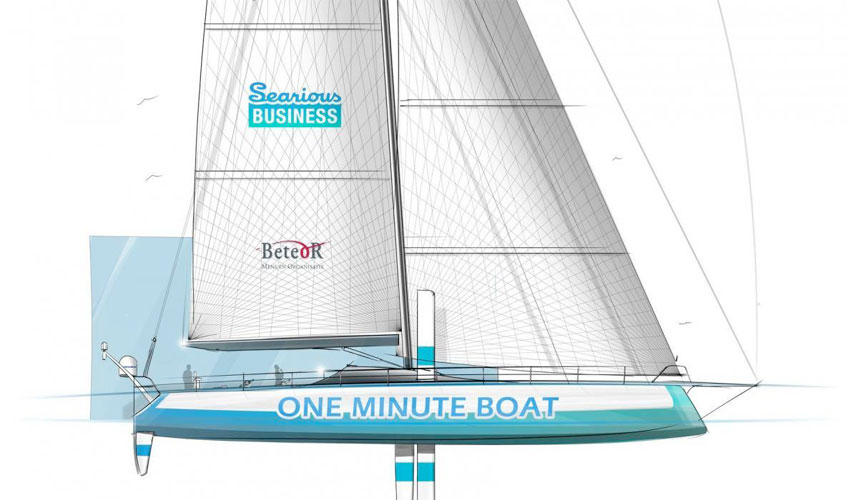
While 3D printing is shaking up many industries, it is also changing the way we use materials today. It is increasingly interesting to various companies and associations in terms of plastic waste recycling. These can be transformed to create new 3D printing materials and thus benefit from a significant added value such as Precious Plastic’s initiative. This is also the message that Searious Business, a Dutch association fighting against ocean pollution, is proposing through offering the 3D printing of a sailboat from plastic waste. A project that is still in its infancy for the moment but that could make things move. We met Andrew Hall who explained to us the genesis of this crazy adventure and the associated issues.
3DN : Can you present yourself and your link with 3D printing?
Hello, my name is Andrew Hall and I work as a Consultant helping Organisations, Leaders and Teams with change. Originally, I studies materials science and metallurgy. I’m a firm believer in the power of technology to solve the world’s problems and believe that by harnessing that with the power or of our human ingenuity we can achieve almost anything. 3D printing is one of the most exciting technological advances ever in materials processing. It has a great part to play in manufacturing and recycling. I also consider today’s rubbish tips to be the source of tomorrow’s raw materials. There is such great scope for progress.
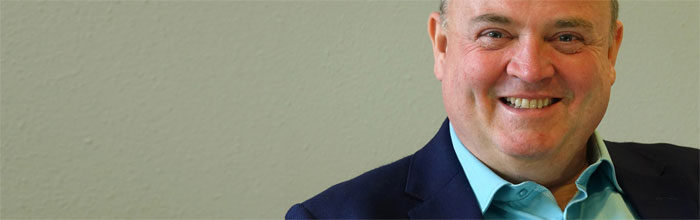
Andrew Hall
3DN : How did the project of a 3D printed yacht come up?
The idea came about after my first meeting with Willemijn Peeters , Ocean Ambassador of the Netherlands and CEO of Searious Business. We quickly realized that Our oceans are in a serious mess. We humans, in our industrialized societies, treat them like of sewer of the earth. Through such wanton destruction, carelessness and pollution, we are poising the very cradle from which all of life on earth emerged. It seems that as land animals, we are largely unaware of the consequences of our actions. We see a relatively recent phenomenon, of non-degradable plastics which are added to the world’s oceans at a rate of 20,000 Kg per minute. These plastics in our waste are very harmful for sea-life. They find their way ultimately into the human food chain and directly cause lower fertility and many other health issues besides.
More from the desk
Six other notes from the rest of the bench.
 NewsThe impact of 3D printing on supply chainsToday, many industries are hugely reliant on production and supplies from China and Southeast Asia, particularly in sectors like manufacturing and logistics. During the global health pandemic, broken supply chains affected the activities of companies in many industrial sectors. M
 Guides#3DStartup: Andiamo on their 3D Printing & AI Platform for OrthosesOrthoses are medical devices that are made to stabilise, relieve, immobilise, guide or correct a part of the body. Since each patient is different, an efficient orthotic device should be perfectly adapted to the wearer’s body and needs, which in…
 NewsTop 5 Videos: Emirates, GE & More!This week’s Top 5 Videos contains a variety of interesting videos from companies, and researchers. These range from new printing processes, to plans to build 3D-printing drone armies that can build shelters for those affected by natural disasters. Remember, a…
 NewsTOP 5 videos of the week rockets, masks and more!A new selection of the best 3D printing videos of the week, just for you! Find our TOP 5 videos of the week below and tell us what your favorite video is in a comment or on our Facebook and Twitter page.…
 NewsFor the first time, a 3D printed house is listed on AirbnbFor several years now, Airbnb has been one of the preferred choices for tourists when they go on vacation. The platform, which allows individuals to rent out their apartment or house, has been so successful that it is now considered…
 NewsTop 5 Videos: Michelin, MissouriThis week’s Top 5 Videos of the Week include videos ranging from metal 3D printing, 3D printing in construction, and 3D printing at university. Remember, another Top 5 Videos is published every Sunday, so make sure you don’t miss out…