News
The impact of 3D printing on supply chains
Today, many industries are hugely reliant on production and supplies from China and Southeast Asia, particularly in sectors like manufacturing and logistics. During the global health pandemic, broken supply chains affected the activities of companies in many industrial sectors. M
- 3 min read
- News
- Six more stories
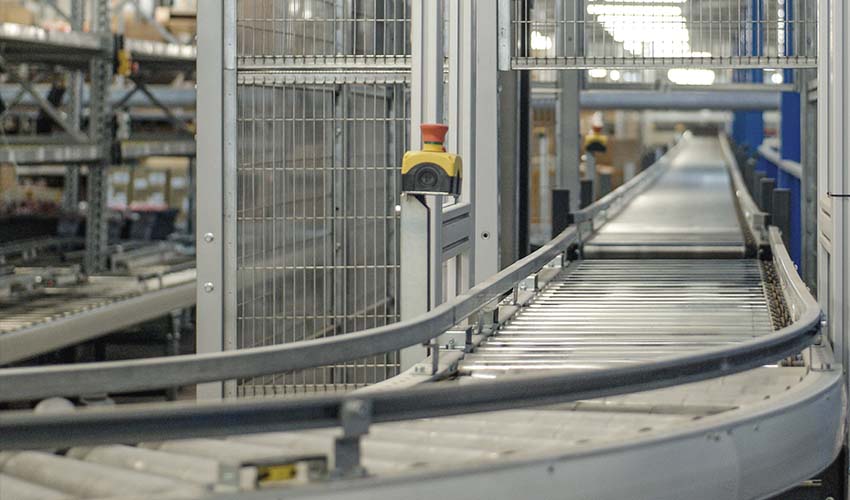
Today, many industries are hugely reliant on production and supplies from China and Southeast Asia, particularly in sectors like manufacturing and logistics. During the global health pandemic, broken supply chains affected the activities of companies in many industrial sectors. More than 94% of FORTUNE 1000 companies reported that the crisis was having a major impact on their supply chain. Therefore, the pandemic highlighted the limitations of traditional methods, in particular their lack of agility.
Can 3D printing technologies add flexibility to current supply chains?
During the first few months of the pandemic, one sector whose importance emerged was 3D printing. This was especially visible in the medical sector, where it was employed to manufacture emergency equipment for medical staff and patients from all over the world. In a matter of days, actors in the 3D printing sector managed to produce critical devices for the healthcare sector, from masks to ventilators, to help save lives.
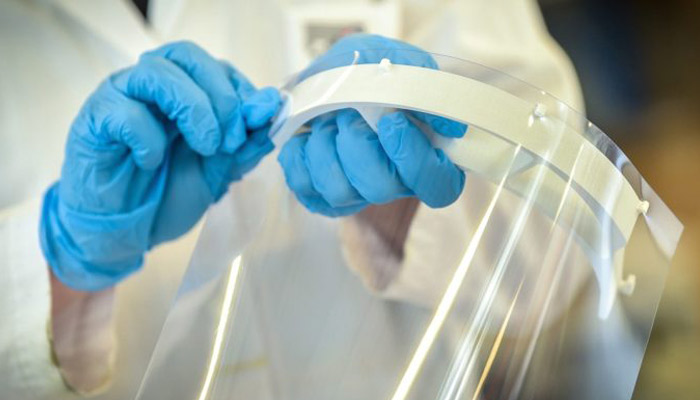
In the medical sector, 3D printing was used to produce face shields urgently to protect healthcare professionals
But behind the scenes, manufacturers from all types of industries were suffering from the limitations of current supply chains too. In particular because of the lack of local manufacturing and extended lead times. So, can looking toward 3D printing be part of the solution?
More from the desk
Six other notes from the rest of the bench.
 NewsAmerica Makes announces AM education challengeThere is no doubt that 3D printing is a technology that we will continue to see grow into the future; But when we discuss the future, it is important to remember who our future is, and that would be kids.…
 ApplicationsBuilding on the Moon: China’s 3D Printing MissionChina’s plans to use additive manufacturing to construct buildings on the moon are becoming a reality. The countries aim to begin testing this technology during its upcoming Chang’e 8 mission, set to take place in 2028, will reportedly include an…
 MaterialsComposite AM Market to Grow by 21% in 2023Last week, VoxelMatters Research published its market report on composite additive manufacturing in 2023. The market research and consultancy arm aims, with its regularly published reports, to provide important insights into additive manufacturing and identify industry trends. Fo
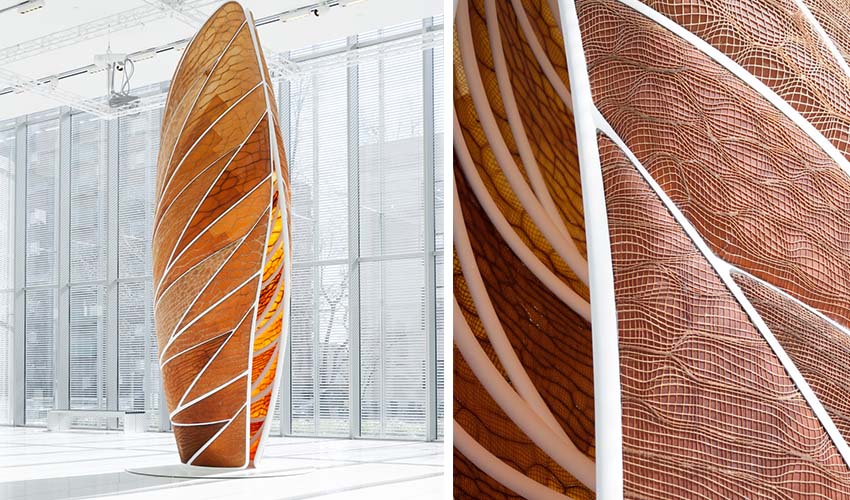 NewsCreating beautiful 3D printed structures inspired by natureTogether with acclaimed designer Neri Oxman and The Mediated Matter Group, Stratasys is showcasing how its 3D printing technology can achieve great art and design opportunities by producing beautiful 3D printed structures inspired by nature. The project is a collection…
 NewsNarbon 3D prints using the ashes of your loved onesEver thought of 3D printing using human ashes? It sounds a bit crazy, but Narbon, a funeral home located in Madrid, Spain, is doing just this. Using 3D printing’s versatility, Narbon is seizing the moment so to speak, in order…
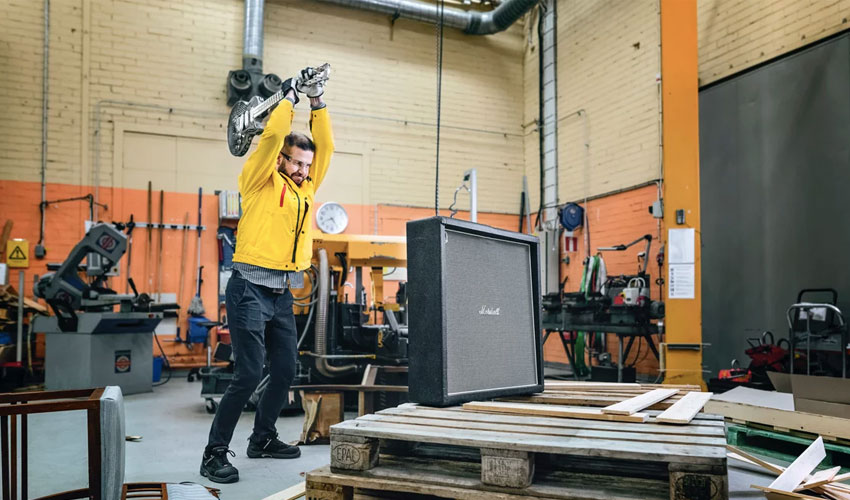 NewsUnsmashable 3D printed guitar imagined by SandvikSandvik, an expert in metal additive manufacturing, has developed an original 3D printed guitar: it is apparently unbreakable. No matter how much force the musician uses to smash it against the ground, it should not break. Guitar smashing, which began…