Applications
Sandia Labs Uses 3D Printing for Weapons Systems
Whether for tanks, propulsion systems, helmets, or on-ship printing, additive manufacturing is slowly but surely gaining a foothold in the defense industry. And new applications are being discovered nearly every month. For example, Sandia National Labs has announced that it&helli
- 3 min read
- Applications
- Six more stories
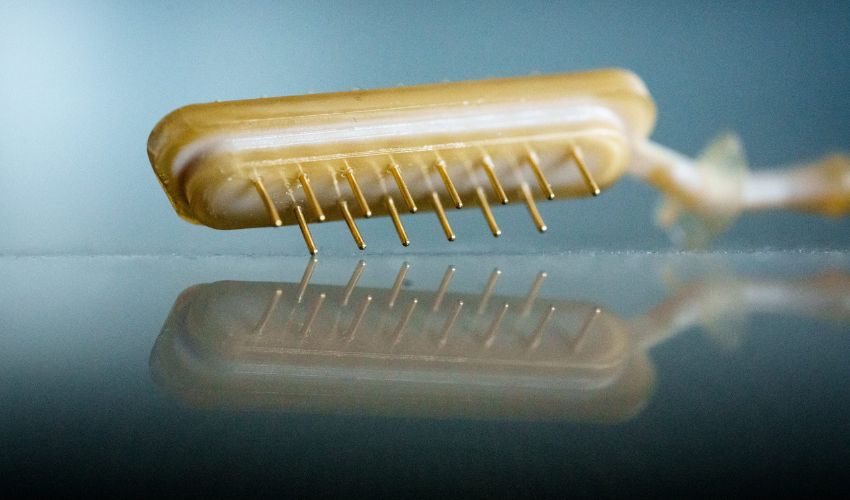
Whether for tanks, propulsion systems, helmets, or on-ship printing, additive manufacturing is slowly but surely gaining a foothold in the defense industry. And new applications are being discovered nearly every month. For example, Sandia National Labs has announced that it is using 3D printing and other technologies to transform how it develops custom electronic connectors for weapons systems.
Sandia National Laboratories is a multimission laboratory operated by Sandia LLC, a wholly owned subsidiary of Honewell International, for the U.S. Department of Energy’s National Nuclear Security Administration. The lab receives funding from numerous sources and is at the forefront of research in areas like nuclear deterrence, global security, energy technologies and more. It also has experience with additive manufacturing. Last March, we told you about its project with Oregon State University to create a 3D printing construction material that could trap carbon dioxide.
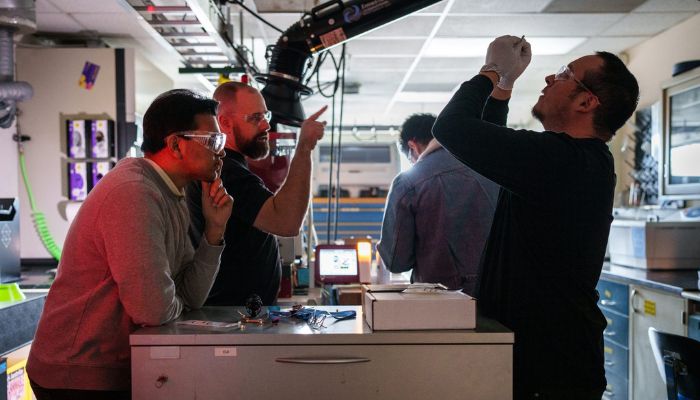
Sandia National Laboratories engineers analyzing PEEK inserts (photo credits: Craig Fritz/Sandia National Laboratories)
This particular project, the Rapid Development Connectors program, is however completely different as it is dedicated to using advanced manufacturing techniques to help develop connectors for weapons systems, notably nuclear weapons. The five-year National Security Administration-funded project seeks to build a team that is capable of fabricating and delivering functional connectors in less than four weeks, in contrast to the current year or longer. All while ensuring that the quality of the resulting components remains superior.
More from the desk
Six other notes from the rest of the bench.
 News3D Printed Bus Shelters are being Created in ChinaAdditive manufacturing and 3D printing are currently exploding with popularity and usage in a variety of sectors. Since last year, 3D printing has expanded into producing metal parts, creating whole houses within 24 hours, and carving its niche in manufacturing.…
 Guides#3DStartup: Unlimited Tomorrow and its 3D Printed Bionic Prosthetic ArmIt is no secret that 3D printing has been making great waves in recent years in the medical sector. One arena in which the technologies have been especially useful is for making prostheses as it allows for lighter, more customized…
 ApplicationsAurora Labs Awarded Contract From Australian DefenseOver the past year or so, we have heard many different stories about the utility of additive manufacturing in the defense sector. Now another one has come from the land down under. Aurora Labs has announced that it has secured…
 NewsExciting Big 3D Printers at Formnext 2024Size does matter when it comes to 3D printing. Over the years, we have seen a strong and growing demand for large-format additive manufacturing solutions in order to create bigger parts for sectors like maritime, aerospace and transportation, among others.…
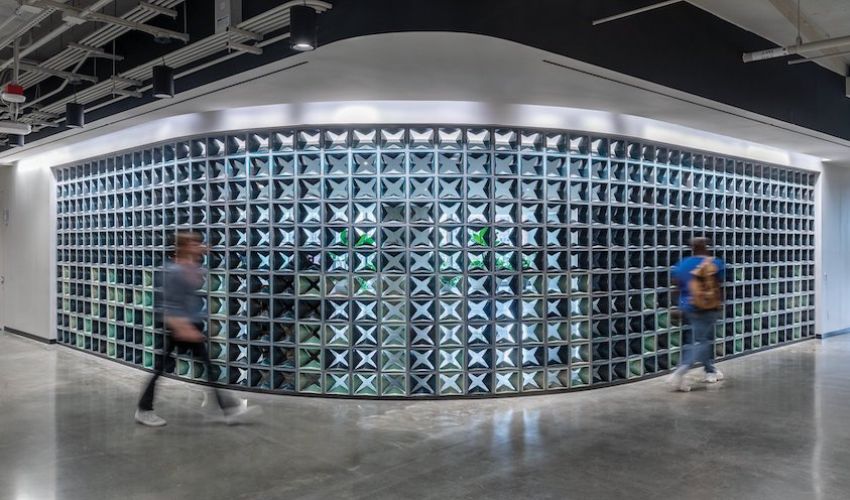 NewsAmazon HQ2 Integrated a 3D Printed Ceramic WallAmazon’s new HQ2 in Arlington, Virginia is filled with custom artwork, from sculpture gardens to wall art to murals. Notable among these works, however, is a 3D printed ceramic wall completed by Brian Peters. The wall, located in the primary…
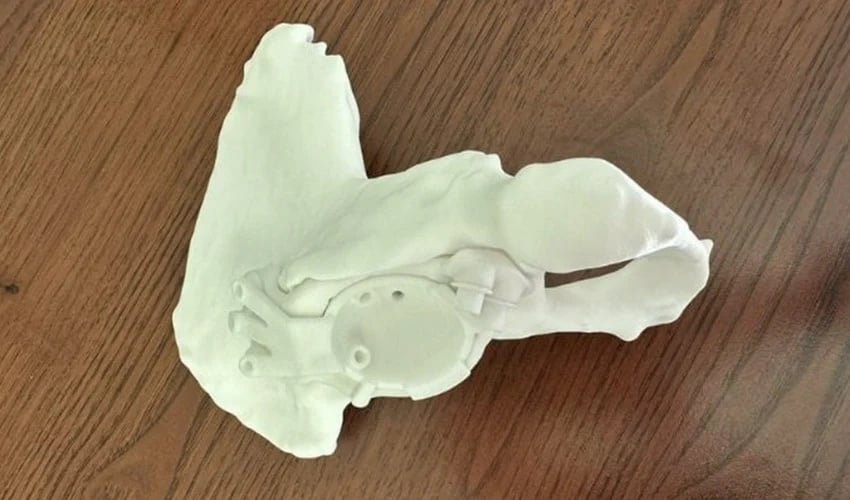 ApplicationsA 3D Printed Hip Prosthesis Has Been Successfully Implanted in PolandAdditive manufacturing is increasingly known for its many benefits in medicine. Time and again, it has made it possible to produce perfectly fitted parts for every person, a necessity especially when it comes to parts like prostheses. Now, this has…