Applications
Rubble to Rockets: Utilizing Scrap Metal and Machine Learning for On-Demand 3D Printing
Last week, we explored how the Defense Advanced Research Projects Agency (DARPA) is pushing the boundaries of additive manufacturing, and the momentum is not slowing down. On June 4th, the Worcester Polytechnic Institute (WPI) announced a $6.3 million grant from…
- 3 min read
- Applications
- Six more stories
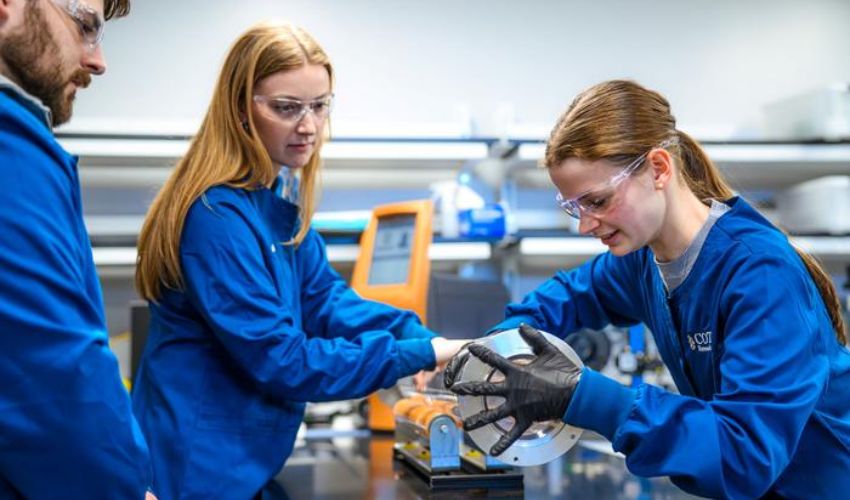
Last week, we explored how the Defense Advanced Research Projects Agency (DARPA) is pushing the boundaries of additive manufacturing, and the momentum is not slowing down. On June 4th, the Worcester Polytechnic Institute (WPI) announced a $6.3 million grant from DARPA to develop a framework for turning scrap metal into 3D-printable material. The goal of the project, titled “Rubble to Rockets,” is to make it possible to produce critical components anywhere, even in resource-scarce environments like battlefields and search-and-rescue operations.
One key factor of “Rubble to Rockets” will be the use of machine learning. The WPI team will use artificial intelligence to identify materials like scrap metal and mixed alloys to understand how they react and bond together before being melted and mixed. 3D printing requires a precise understanding of materials, and typically, the process demands carefully controlled materials and repeated testing. However, that is not always possible when on the field or in an urgent situation.
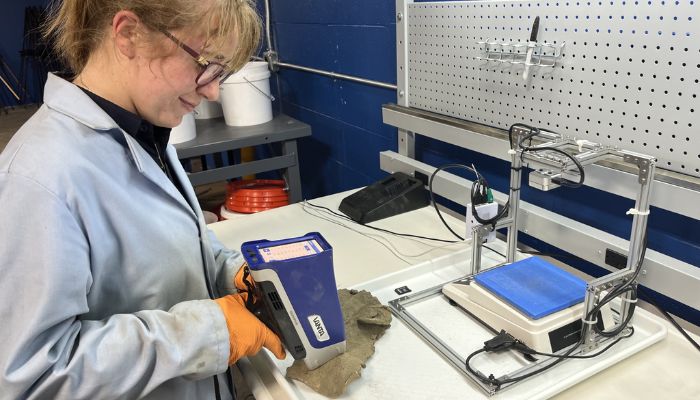
VALIS team member evaluating metal (Credit: VALIS)
The researchers will use AI developed by a WPI PhD student to predict how a material will behave given various compositions. This will streamline the process for characterizing materials, allowing for faster production but without sacrificing durability or strength.
More from the desk
Six other notes from the rest of the bench.
 NewsWEBINAR: Manage Your Production alongside Shopfloor Data—Maximizing OEE with EOS ConnectivityA successful additive manufacturing operation relies on more than just advanced machines or powerful software—it depends on how seamlessly the two work together. Even with the best hardware and most cutting-edge software, productivity can stall if they aren’t properly integrated.
 News#3DExpress: Steakholder Foods to Introduce 3D Printed Meat and Fish to U.S. MarketIt is finally the weekend, which means it is once again time to share with you some of the exciting tidbit of 3D printing news from the week! First, take a bite out of the news that Steakholder Foods will…
 NewsNew droplet-based 3D printing techniqueA new 3D printing technique has been developed by the researchers from the University of California, Davis. The paper detailing the approach was published in the Proceedings of the National Academy of Sciences of the United States, one of the…
 MaterialsArkema and its Range of Materials for Additive ManufacturingDuring Formnext 2021, we met with the team from Arkema, one of the leading chemists on the market. The French company develops material solutions for additive manufacturing and covers several technologies: resin, powder and extrusion. This year, it unveiled its…
 GuidesSyqe Medical, a 3D printed medical cannabis inhalerSyqe Medical is a young Israeli company that has developed a 3D printed cannabis inhaler to offer a tailor-made pharmaceutical treatment. This tool transforms the plant in order to meet the pharmaceutical requirements of the market and thus offer patients…
 NewsFormnext 2023: What Are the Major Trends in Additive Manufacturing?Once again, it’s time for us to give you our thoughts on Formnext 2023. The show closed its doors last Friday, leaving behind thousands of hours of exchanges between professionals and manufacturers, dozens of product launches and announcements of new…