News
New droplet-based 3D printing technique
A new 3D printing technique has been developed by the researchers from the University of California, Davis. The paper detailing the approach was published in the Proceedings of the National Academy of Sciences of the United States, one of the…
- 3 min read
- News
- Six more stories
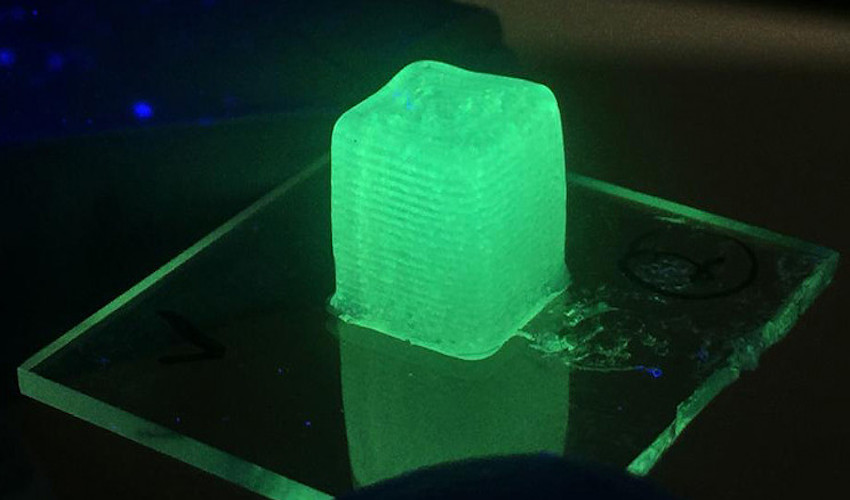
A new 3D printing technique has been developed by the researchers from the University of California, Davis. The paper detailing the approach was published in the Proceedings of the National Academy of Sciences of the United States, one of the most selective and prestigious science journals in the world. Their approach uses a droplet-based microfluidics AM system and a new type of nozzle, different from the one typically used in the extrusion-based 3D printing process.
As you know, when it comes to the traditional extrusion-based 3D printers, the filament is pushed through a nozzle to form the final structure layer by layer. This method is efficient and cost-effective. However, it poses two problems: firstly, it makes it very challenging to print structures made of more than one material and secondly, getting the right amount of softness is quite difficult too. That’s where the new droplet-based technique comes in to solve these problems.
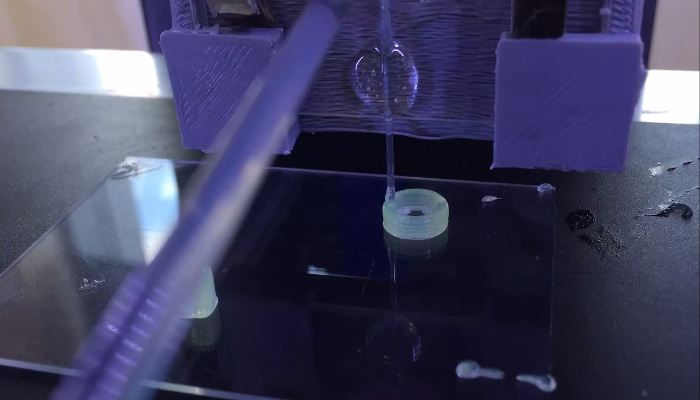
Droplet-based 3D printing technology printing a hollow tube. (Image Credit: PNAS)
Jiandi Wan is the chemical engineering assistant professor at UC Davis who led the team of researchers working on the project. Wan and his team aimed to develop an approach for extrusion-based 3D printing that would allow the modulation of the extruded filament at the point of print, by using droplet inclusions. The researchers noticed that the nozzle used in extrusion-based 3D printers is very similar to another type of device the team was studying: glass capillary microfluidic devices. These devices use multiple nozzles placed within each other. Therefore, Won and his team realized a similar model could replace current printheads used in 3D printing.
More from the desk
Six other notes from the rest of the bench.
 NewsTop 5 Videos: the New Xerox ElemX, 3D Printed Bone, and Artec ScannersThis week’s selection of top 5 videos features additive manufacturing innovations from leading research institutions and manufacturing companies. Our top 1 looks into Xerox’s new liquid metal 3D printer, the ElemX, purposed to circumvent the risks associated with 3D p
 NewsVoices AMplified RAPID TCT 2023: Hearing From the AttendeesRAPID + TCT 2023 has wrapped up! After 3 exciting days in Chicago, the largest conference on additive manufacturing in North American has closed its door after a successful edition with over 400 exhibiting companies and over 9500 attendees from…
 NewsReconstructing dinosaur’s skeleton with large-format 3D printerIn the Netherlands, the Naturalis Biodiversity Centre has used 3D scanning and additive manufacturing to bring to life an animal that has been missing for millions of years: the triceratops. The project teams were able to reconstruct its entire skeleton…
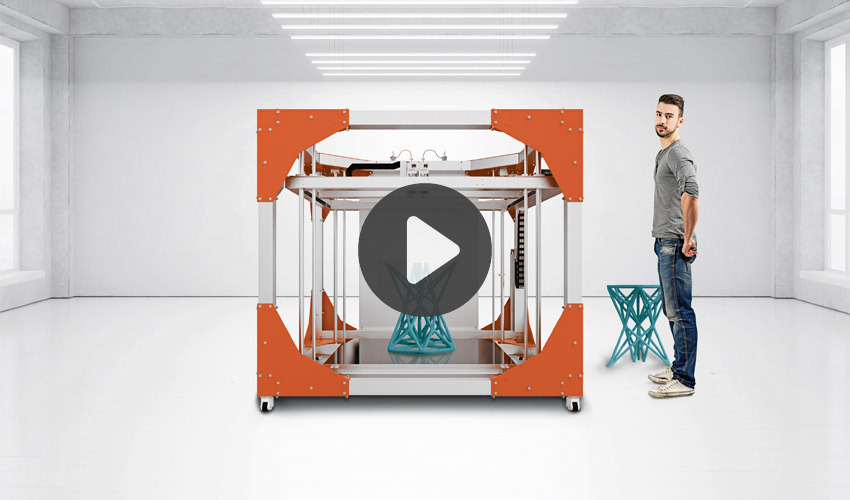 NewsTop 5 Videos: Design rules for large format 3D printing…This week we found the top 5 videos about 3D printing and the way additive manufacturing is changing production. The technology has infiltrated many sectors, from medical to automotive – check our selection of the week to keep up with the innovations! If you enjoy these, you&hell
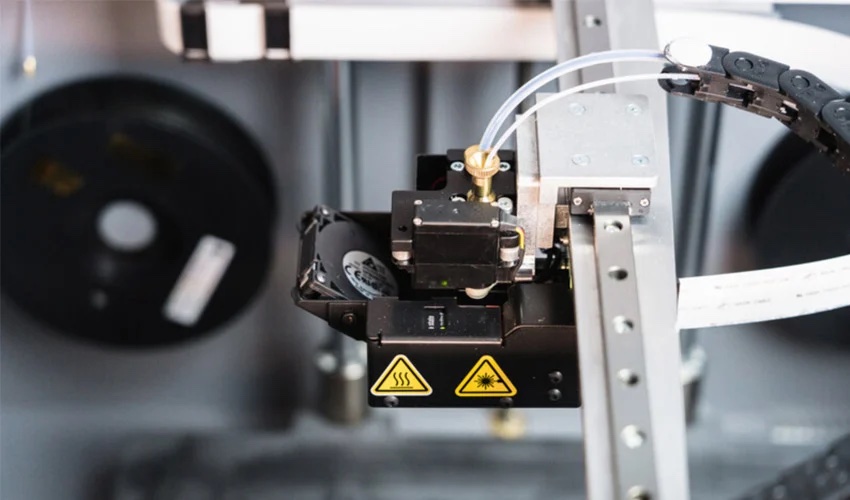 NewsHow Do You Plan the Path of an FDM 3D Printer Head for Continuous Fiber Composites?In a recent study, scientists have developed an algorithm in order to plan the path of the head of an FDM 3D printer that uses continuous fiber composites. The goal is to provide a path that prevents intersection points on…
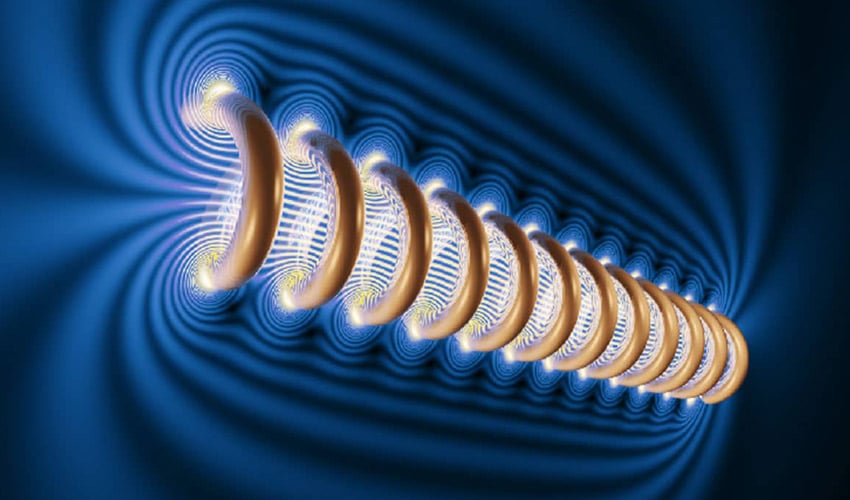 NewsMagnetic field impacts the fiber alignment of a 3D printed partResearchers from the Institute for High Performance Materials at Florida State University and the FAMU-FSU College of Engineering recently conducted a study that shows that using magnetic fields in the vicinity of a 3D printer can change the alignment of…