Materials
From Prototyping to Full-Scale Production: The Role of Ceramic Additive Manufacturing in Industrial Applications
Among the different 3D printing materials, technical ceramics generate the most curiosity and interest. This can be seen by the fact that the market for ceramic 3D printing is growing year by year as it finds its place in different…
- 3 min read
- Materials
- Six more stories
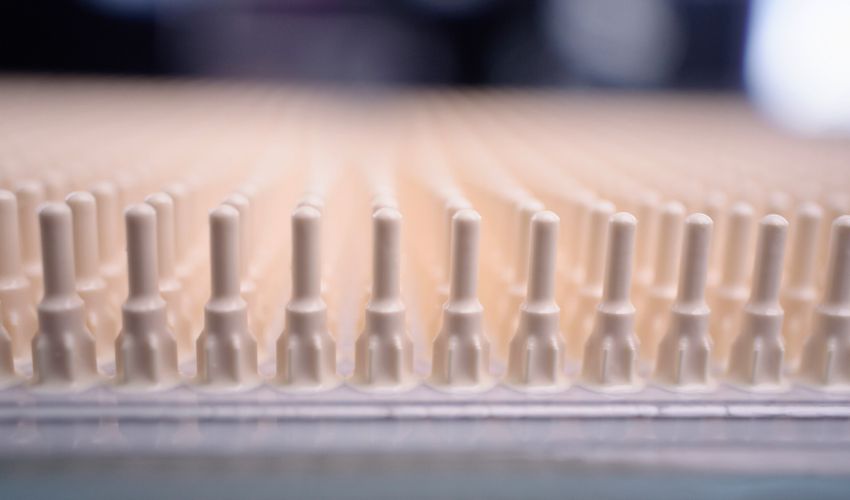
Among the different 3D printing materials, technical ceramics generate the most curiosity and interest. This can be seen by the fact that the market for ceramic 3D printing is growing year by year as it finds its place in different industries. For example, according to a recent report by Fundamental Business Insights, in 2023, the global 3D printing ceramic market was valued at about $45.12 million and is expected to reach $519.72 million by 2032, with a compound annual growth rate (CAGR) of 31.2% between 2024 and 2032.
This growth can be explained by this increased interest in technical ceramics and their advanced properties, including chemical resistance, electrical insulation, high temperature resistance and biocompatibility. These characteristics make them ideal for demanding industries such as aerospace, automotive, energy and medical.
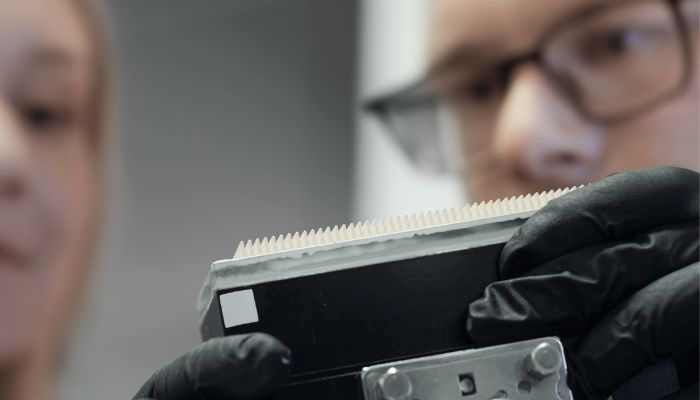
Ceramic additive manufacturing is an increasingly present technology for industrial applications.
While technical ceramics are ideal for high-performance applications, it is also true that it is not always easy to process these materials. The challenge when dealing with ceramic materials in part production is to maintain material properties and quality for each part. When increasing production or dealing with complex geometries, problems such as porosity, surface roughness and dimensional accuracy may arise.
More from the desk
Six other notes from the rest of the bench.
 MaterialsRIZIUM GF, new composite material for color 3D printingA few days ago, the American manufacturer RIZE unveiled a new glass fiber reinforced filament compatible with its full-color printing solutions. This is a first for the company, which aims to offer its customers more applications, relying on the rigidity…
 NewsAdditive Manufacturing Plays A Growing Role in the Jewelry IndustrySmarTech Analysis has published a new study dedicated to the additive manufacturing market, this time focusing on the jewelry sector. According to the report, the 3D printed jewelry market is expected to reach a value of $989 million by 2031,…
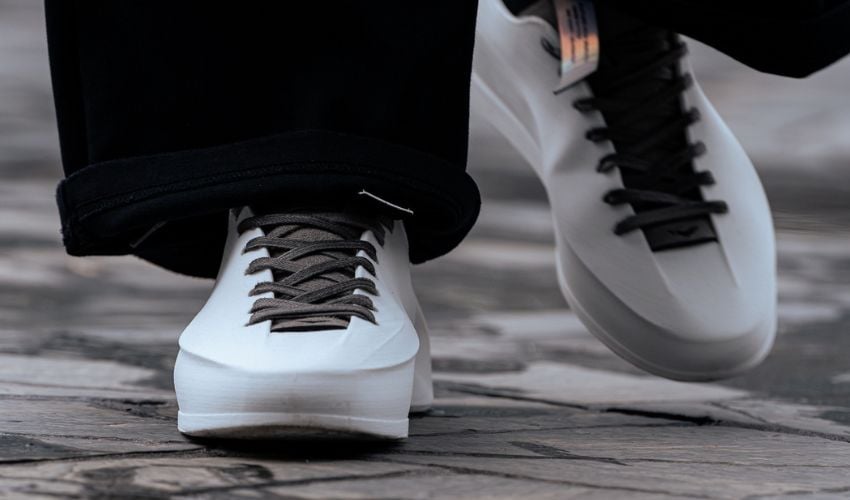 GuidesServati Modernizes Italian Footwear with 3D PrintingFor several years, 3D printing has made a full entry into the footwear industry, allowing designers to create their own artistic pieces without aesthetic limits. With the goal of bringing not only innovation but also sustainability to the sector, the…
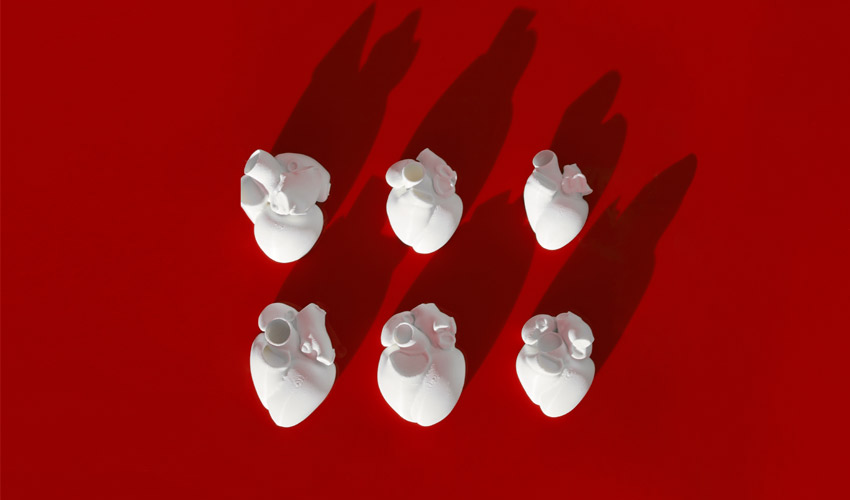 GuidesCellule design studio places 3D printing at the heart of scientific innovationCellule is a UK-based design studio that uses new technologies to better understand the healthcare industry and to offer a personalized care system tailored to each patient’s reality. They use 3D printing, including Fused Deposition Modeling (FDM) technology, to design very
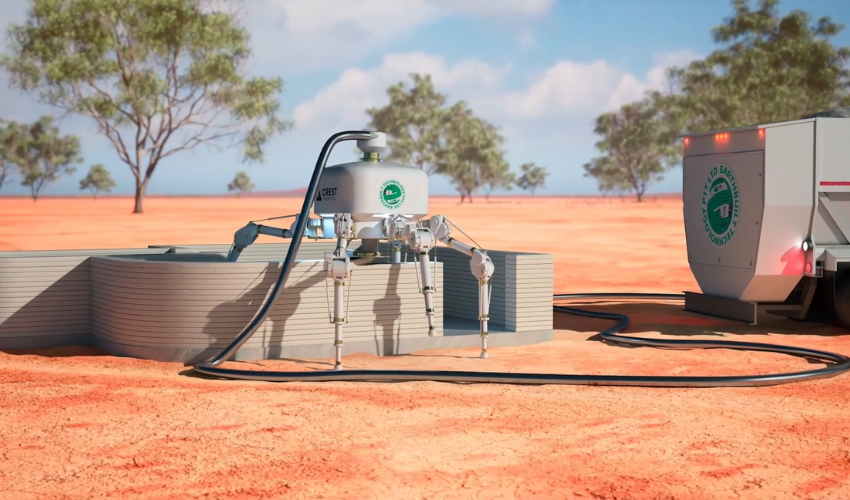 ApplicationsAustralian Robot Spider Could 3D Print a House in a DayCrest Robotics, in partnership with Earthbuilt Technology, has unveiled a six-legged robot named Charlotte that could transform both housing on Earth and future construction in space. The spider-like machine is essentially a mobile 3D printer, designed to build a full…
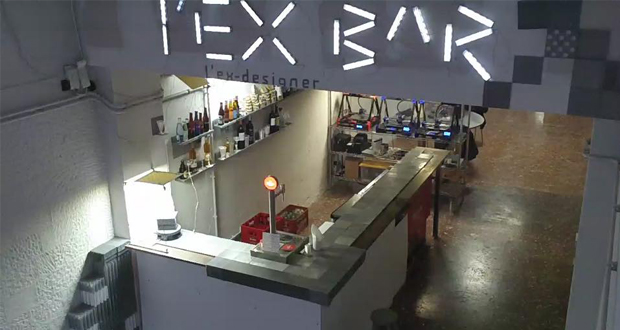 NewsThe Ex-Designer Bar: the 3D printed bar in BarcelonaIn 2015, designer Martí Guixé began his project “Ex-Designer Bar” in Barcelona, a project that consisted of taking a space of 90m2 and transforming it into a bar that was made completely with 3D printing. As hard as it is…