Printers
What are the risks associated with FDM and metal 3D printing?
In the United States, the National Institute for Occupational Safety and Health (NIOSH) has just published several guidelines concerning FDM and metal additive manufacturing, the objective being to protect users who handle these technologies. For example, it lists all the…
- 3 min read
- Printers
- Six more stories
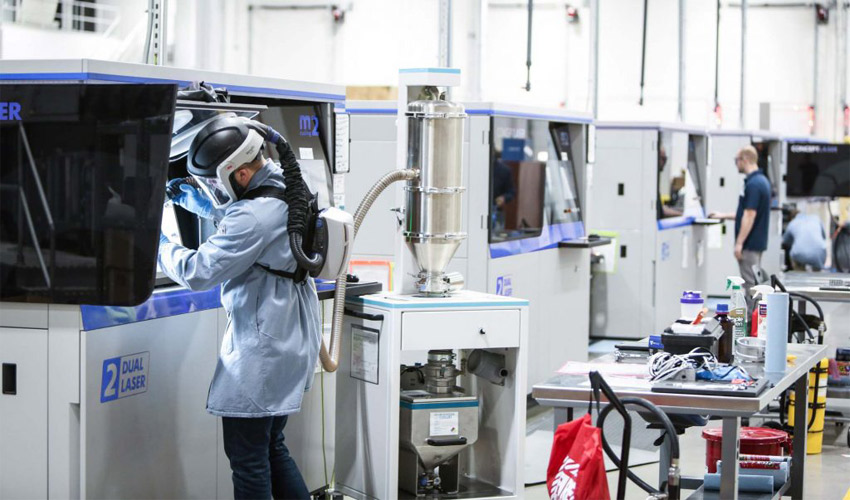
In the United States, the National Institute for Occupational Safety and Health (NIOSH) has just published several guidelines concerning FDM and metal additive manufacturing, the objective being to protect users who handle these technologies. For example, it lists all the potential hazards associated with both processes, such as the release of volatile organic compounds (VOCs) or the handling of high-temperature surfaces. The recommendations also list the possible protective equipment to be worn during preparation and completion – masks, gloves, gowns, etc. Essentially, these are practical tips to be put in place to reduce the dangers associated with additive manufacturing.
NIOSH is an American organization whose objective is to publish various advice and recommendations to avoid any occupational accidents and diseases. Since additive manufacturing is used in companies and factories, small or large, employees and users of the technology must protect themselves, regardless of the machine used. The INRS had already published a report on the dangers of using metal powders in 3D printing. With these new guidelines, the American organization also focuses on the risks associated with FDM, in addition to metal powder bed processes. It focuses on 5 points in particular: characterisation of potential hazards, handling around the machine, technical controls, administrative controls and finally personal protective equipment.
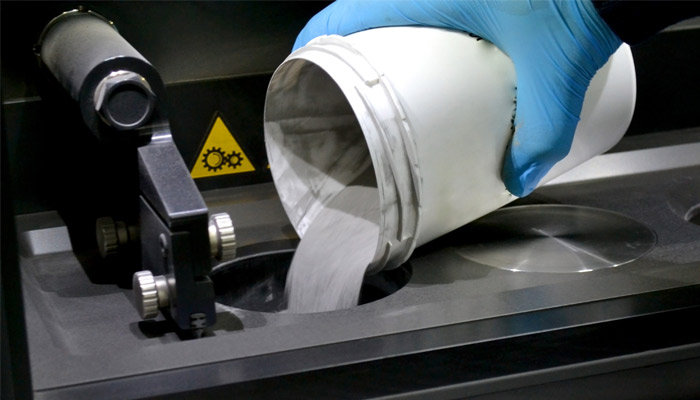
Handling 3D printing materials can sometimes be risky.
Tips and precautions for FDM 3D printing
As you already know, the extrusion process releases VOCs, some of which can be toxic to our health. Most machines today incorporate powerful filtration solutions, but NIOSH recommends that you keep the printer far from other work activities and reduce the amount of time spent near it. It encourages the use of PLA rather than ABS, but also encourages the use of composite materials.
More from the desk
Six other notes from the rest of the bench.
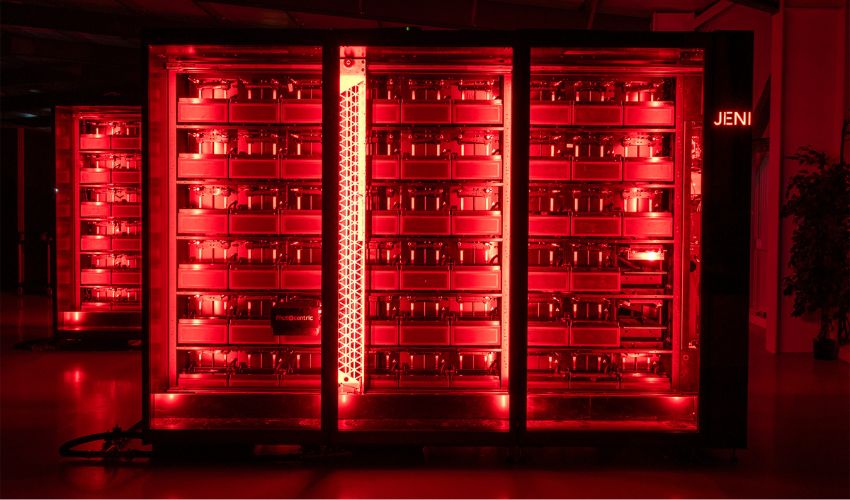 PrintersMeet Photocentric’s JENI: A Serious Challenge to Injection Molding at Industrial VolumesJENI doesn’t look like a 3D printer. It’s a tower, lit from within by a deep red glow, modular sections stacked and racked like server infrastructure. Add a module and it grows. Reconfigure a node and it takes on a…
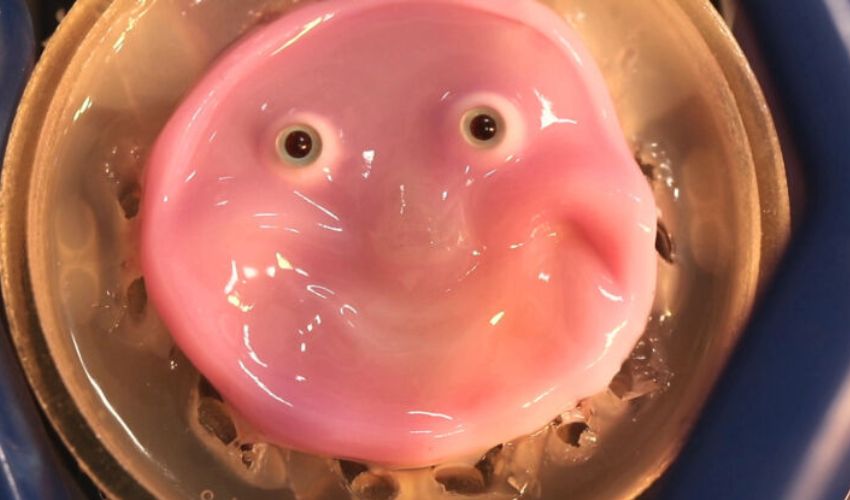 News3D Robot Face With Living Skin Is the Next Level in RoboticsThe first robot was developed in 1956 and today it is hard to imagine our lives without them. Whether industrial robots on the factory floor or service robots in the living room, such as roombas, they make many things easier…
 News#3DExpress: Aectual Announces its Own 3D Printed WoodIt’s time to take a look back at some of the news that has marked the additive manufacturing sector this week! We start this 3DExpress with a new development from Aectual: the company is now offering 3D-printed objects made from…
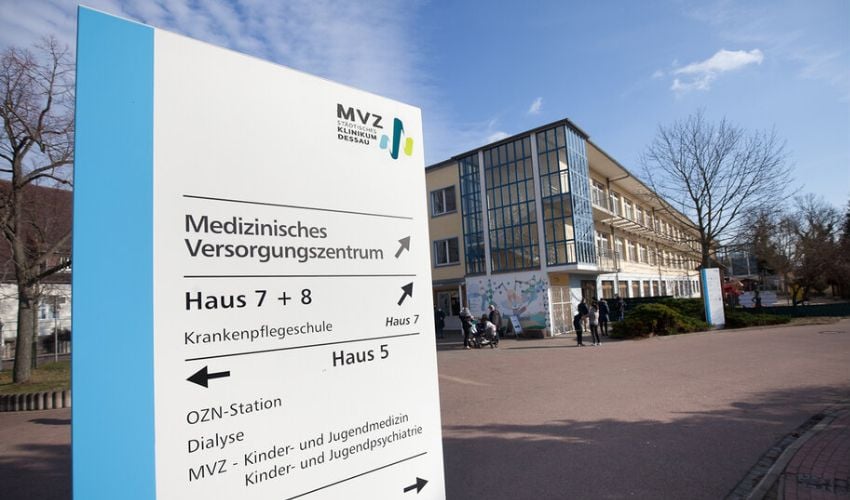 ApplicationsResearchers Create Bioresorbable 3D Printed Skull ImplantsIn Dessau, Germany, neurosurgeons at the Municipal Hospital implanted a so-called bioresorbable cranial prosthesis in a patient for the first time. The prosthesis was produced using 3D printing and represents a significant milestone in European medical technology. Until now, this
 NewsDanit Peleg unveils her fully 3D printed, customizable jacketCoco Chanel once said: “In order to be irreplaceable, one must always be different”. If there is a designer who has built their work around this saying it is Danit Peleg. Daring to be different, this young Israeli designer has just unveiled…
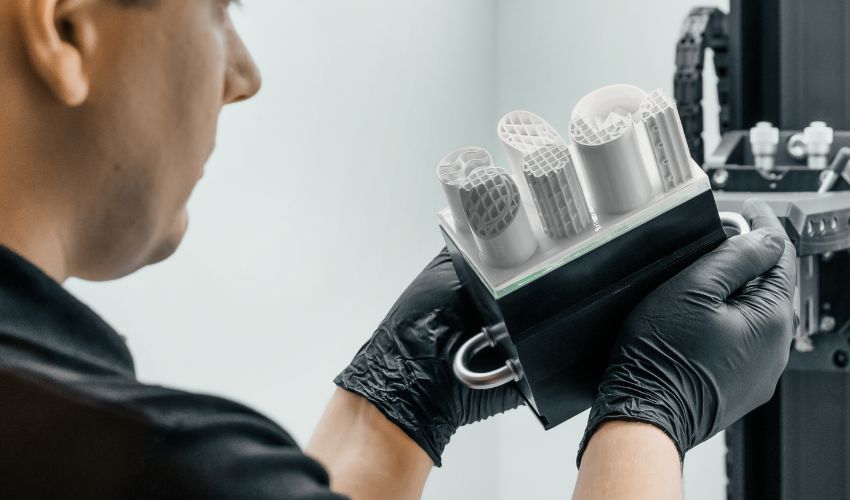 MaterialsBosch Advanced Ceramics on Industry Hurdles, Additive Solutions and the Future of Ceramic Additive ManufacturingAs the industrial additive manufacturing (AM) landscape continues to grow and evolve, one of the biggest revelations in recent years has been ceramic additive manufacturing. Technical ceramics offer unparalleled properties, from extreme heat resistance to exceptional corrosion pr