News
Rheology: Why It Matters in 3D Printing with Polymers
The concept of rheology refers to a branch of physics that studies fluids. Specifically, it examines how materials behave when they flow or deform, meaning how they respond to an applied force or stress. Although rheology applies to a wide…
- 3 min read
- News
- Six more stories

The concept of rheology refers to a branch of physics that studies fluids. Specifically, it examines how materials behave when they flow or deform, meaning how they respond to an applied force or stress. Although rheology applies to a wide range of scientific and technological fields, in the context of 3D printing, it becomes crucial for certain manufacturing technologies. It helps us understand and control how materials such as plastics and even hydrogels behave during the successive layering process.
This branch of physics was introduced by Eugene Bingham and became established as an independent discipline around 1930. Etymologically, the term rheology comes from the Greek rheo (“to flow”) and logos (“science”). In simple terms, rheology describes how materials deform and flow under different stress conditions. A material’s rheological behavior allows it to be classified according to how it reacts to applied forces. For example, elastic solids maintain their shape after deformation, while viscous fluids flow continuously when a force is applied. Finally, there are viscoelastic fluids, which combine properties of both elastic solids and viscous liquids, such as the polymers used in 3D printing.
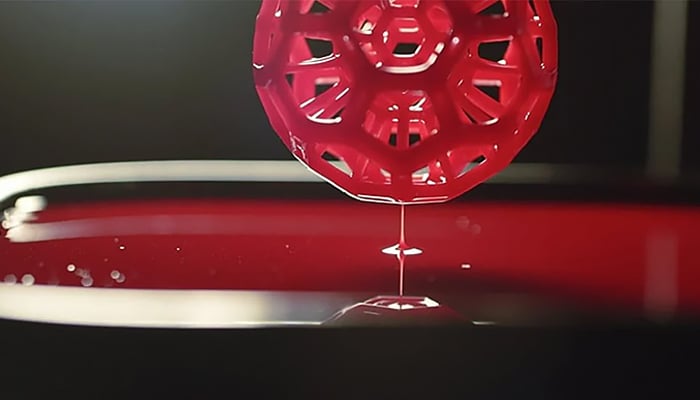
A good understanding of rheology helps ensure the quality of 3D-printed parts.
The Importance of Rheology in 3D Printing
Rheology is essential in 3D printing because it describes how polymeric materials behave when deposited on the build platform, whether through extrusion or polymerization processes. Understanding the rheology of these plastics helps predict how they will perform during printing, which in turn is crucial for ensuring the quality and accuracy of the final part. This is because the rheological behavior of materials during printing directly affects several aspects of the process and the quality of the printed piece. Among the main reasons why rheology is fundamental in 3D printing are:
More from the desk
Six other notes from the rest of the bench.
 NewsTOP 5 VIDEOS: 3D printed product line for gamers…This week we found the top 5 videos about 3D printing and the way additive manufacturing is shaping our society. The technology has infiltrated many sectors, from medical to space! Check out our selection of the week to keep up…
 NewsThe State of 3D Printing 2019: professionals’ confidence in 3D printing is growingThe 3D printing service Sculpteo, has just published the 5th edition of its study entitled ‘The State of 3D Printing 2019’ which provides a comprehensive overview of the additive manufacturing industry worldwide. This year, more than 1,300 people participated in…
 NewsTop 5 Videos: 3D Printed Guns Are Becoming an Increasing Concern in CanadaIt is once again Sunday, which means it is time for the top 5 3D printing videos of the week! First up, don’t miss this video which investigates how 3D printed guns, or ghost guns, are causing issues for police…
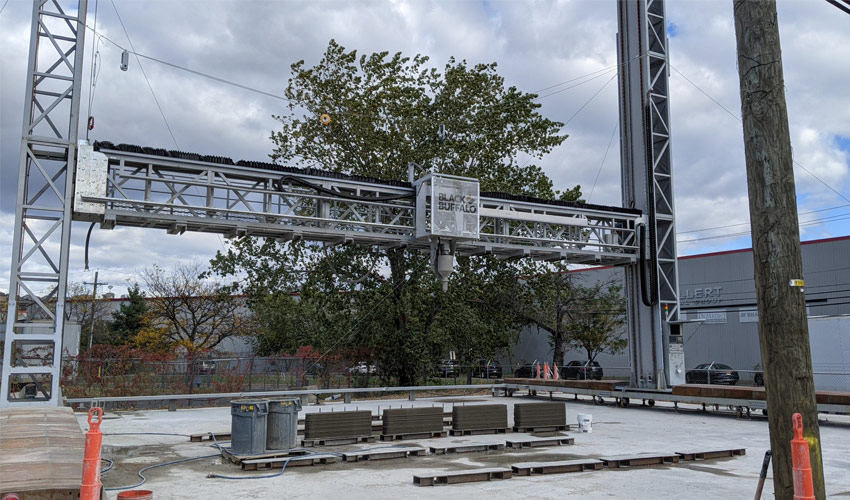 GuidesBlack Buffalo 3D Wants to Reduce Construction’s Carbon Footprint Using 3D PrintingBlack Buffalo 3D is a company specializing in additive manufacturing for the construction industry. It has been working for several years on the development of 3D printers and materials for a demanding market, one in which the environmental impact is…
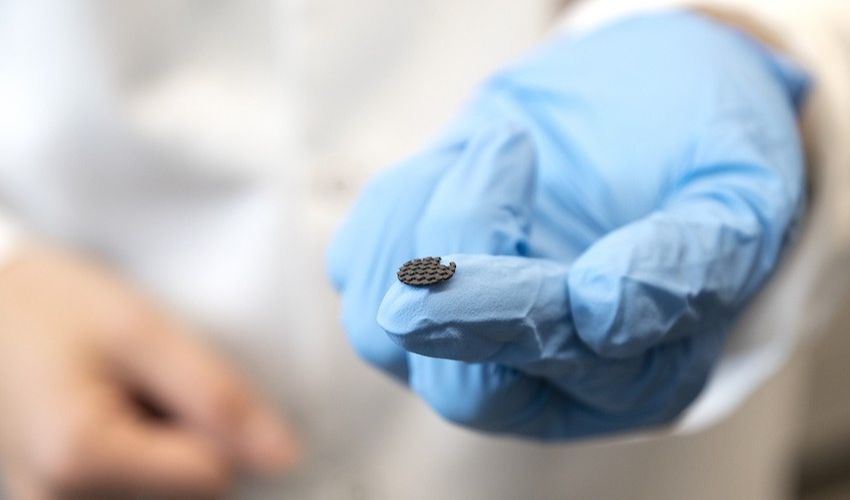 ApplicationsThe Project to Manufacture 3D Printed Batteries Out of Lunar and Martian RegolithIt has been fifty years since the last crewed moon landing, but that does not mean that humanity’s desire to reach for the stars (or planetary bodies) has lessened. In fact, in recent years it seems that we have seen…
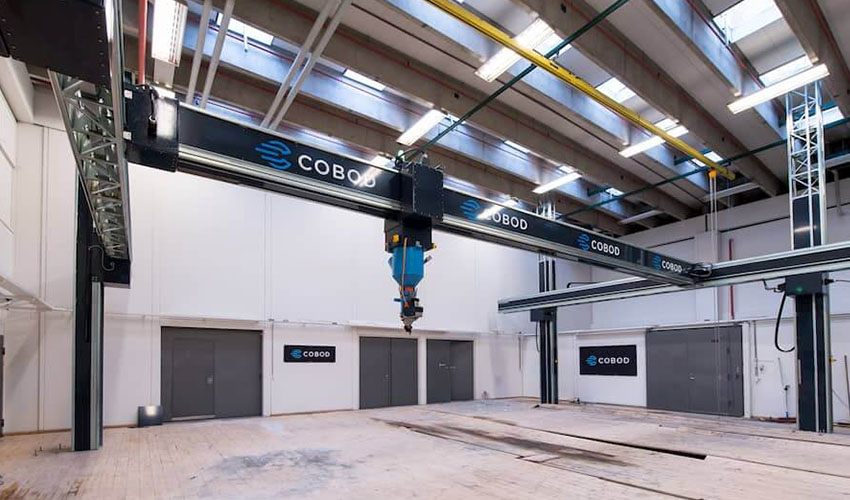 NewsCOBOD on the true state of 3D printing in constructionThe company COBOD recently spoke out on the true state of the construction 3D printing industry, revealing many misconceptions people have about 3D printed buildings. According to the company, officially, no building has been 3D printed in 24 hours only.…