Guides
Black Buffalo 3D Wants to Reduce Construction’s Carbon Footprint Using 3D Printing
Black Buffalo 3D is a company specializing in additive manufacturing for the construction industry. It has been working for several years on the development of 3D printers and materials for a demanding market, one in which the environmental impact is…
- 3 min read
- Guides
- Six more stories
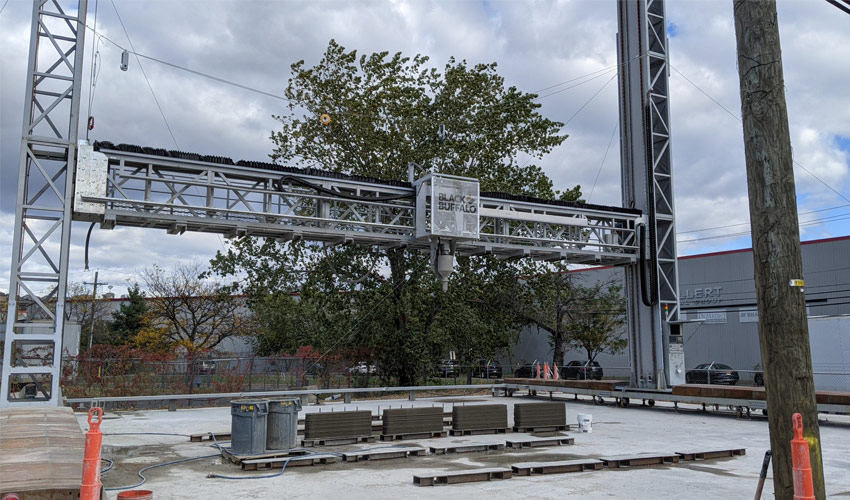
Black Buffalo 3D is a company specializing in additive manufacturing for the construction industry. It has been working for several years on the development of 3D printers and materials for a demanding market, one in which the environmental impact is increasingly negative. If you follow 3D printing news, you are aware of all the advantages that 3D technologies bring to construction: reduction of costs, reduction of the amount of concrete used, reduction of labor, greater geometric freedom, etc. There are still many challenges to overcome, but recent innovations show that we are on the right track. And just to understand these latest developments and how they may impact this industry, we met with Michael Woods, the CEO/COO of Black Buffalo 3D Corporation. The company is working to reduce the environmental footprint of construction by using a custom concrete extrusion technology.
3DN : Could you introduce yourself as well as how you discovered AM?

Michael Woods
Black Buffalo 3D is a subsidiary of HN Inc.–formerly Hyundai BS&C–based in South Korea. They have been involved with traditional construction development and creation of smart infrastructure for nearly a decade and saw the potential of applying AM technology to construction projects. Several years ago, they expanded their construction business by acquiring a 3D construction printing manufacturer- Hisys.
Black Buffalo 3D was formed in 2020 as the global accelerator for that business. We have since grown with our own factory in the U.S. and R&D teams dedicated to equipment design, materials science, and sustainability. Our team also invested nearly a year, working with ICC-ES on rewriting the criteria for AC-509 to include multi-story 3D printed walls and partnered with leading cement companies to perfect our proprietary concrete ink. We’re also working on moving beyond waste reduction and testing more sustainable structural inks for even greater impact on making construction a greener industry.
More from the desk
Six other notes from the rest of the bench.
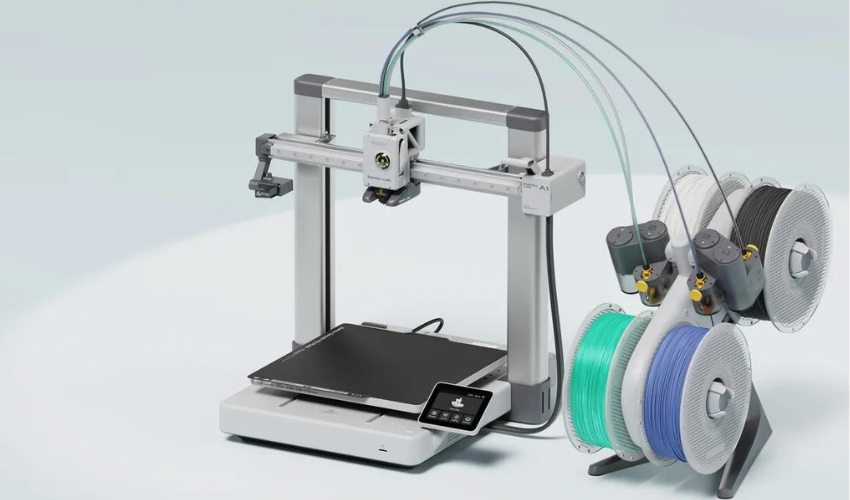 PrintersBambu Lab Issues Update on A1 3D Printer RecallFollowing the initial Bambu Lab announcement of a recall earlier this year, U.S. Consumer Product Safety Commission, has formalized this (5 months later), confirming that it has impacted approximately 12,800 units of A1 3D printers sold before January 30, 2024.…
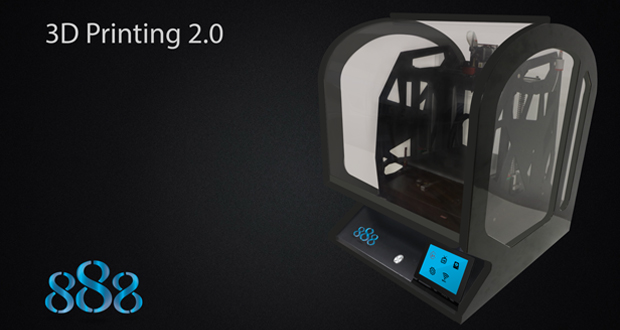 PrintersAONIQ 888: The 3D printer that is ready to disrupt the market with PVC3D printing is a continuous revolution that has brought us fascinating new creations, such as a modern version of chainmail from NASA or even shoes from Adidas. Over the last few years, 3D printing has integrated itself deeper and deeper…
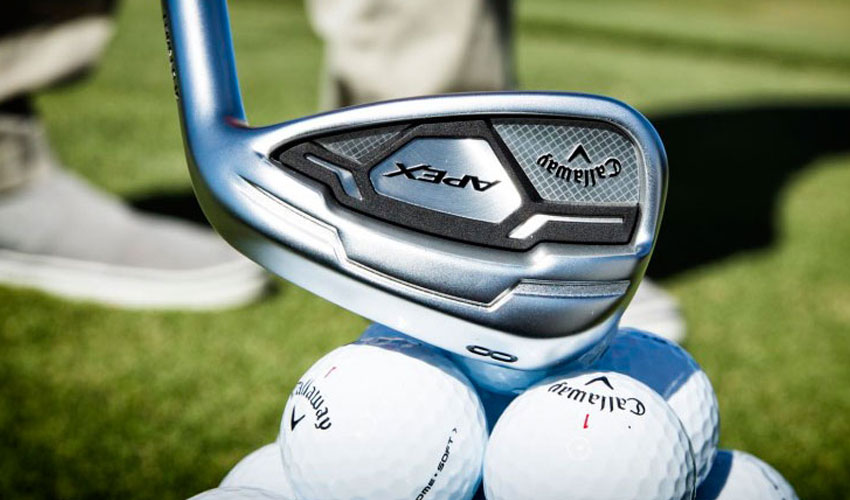 NewsTitomic to 3D Print Callaway Golf ClubsTitomic is an Australian additive manufacturing company that has recently announced a partnership with Callaway Golf, one of the world’s largest golf club manufacturers. Titomic will be bringing their expertise to the US to produce more innovative and successful golf&hellip
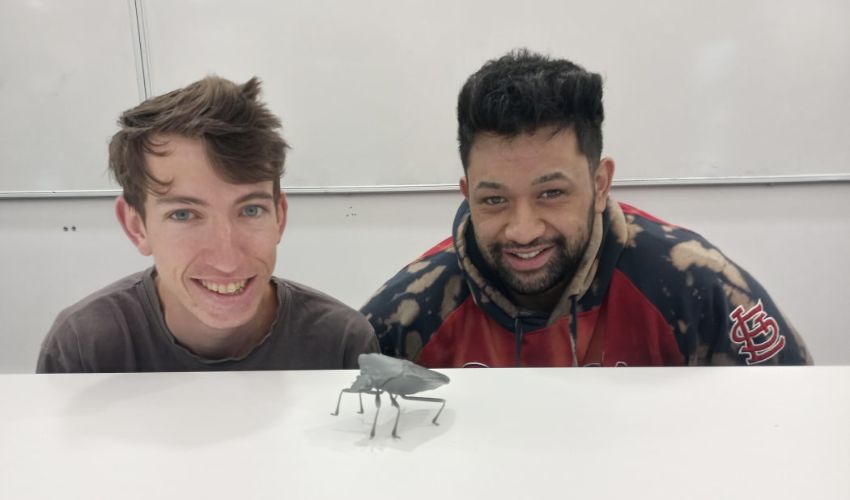 News3D Printed Bug Project Raises Awareness of Biosecurity Threat in New ZealandStudents in Canterbury, New Zealand, have 3D printed a brown marmorated stink bug (Halyomorpha halys) in an effort to raise awareness of the biosecurity threat posed to the country by the bug. They worked together on a Summer Student Programme,…
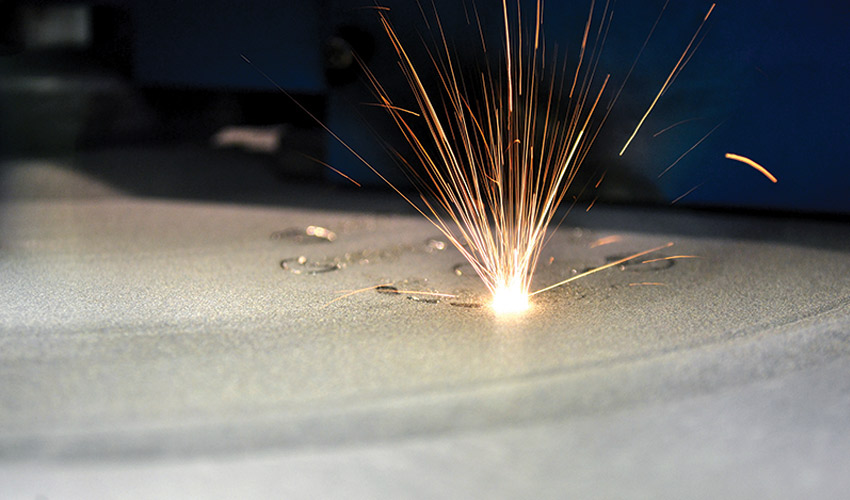 NewsThe State of 3D Printing 2019: professionals’ confidence in 3D printing is growingThe 3D printing service Sculpteo, has just published the 5th edition of its study entitled ‘The State of 3D Printing 2019’ which provides a comprehensive overview of the additive manufacturing industry worldwide. This year, more than 1,300 people participated in…
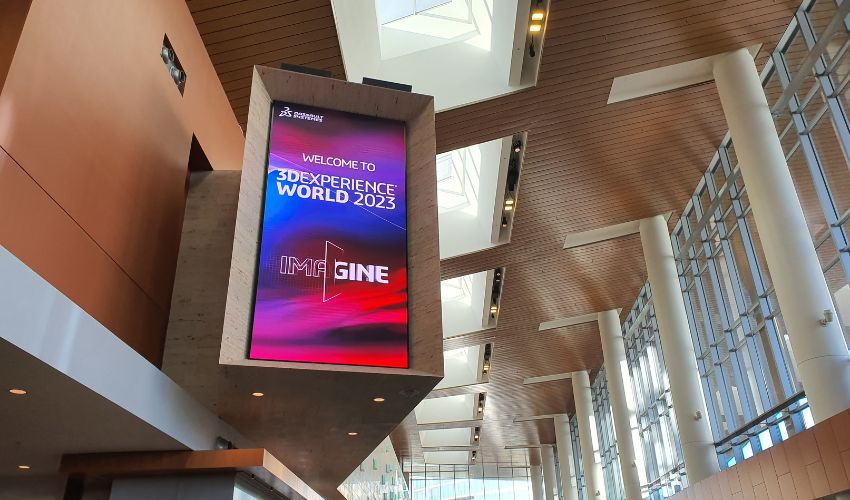 Software3DEXPERIENCE World 2023: Breaking the Boundaries of 3D DesignOn Wednesday, 3DEXPERIENCE World 2023 came to an end. This gathering for users of Dassault Systèmes 3DEXPERIENCE Works, including of course SOLIDWORKS, encompassed three days of discussions, announcements and of course workshops. And with the last physical 3DEXPERIENCE World even