Applications
Incus Partners with the European Space Agency to Test 3D Printing in Micro-Gravity
Incus, an Austrian provider for lithography-based AM solutions has announced a partnership with the European Space Agency (ESA), OHB System AG and Lithoz GmbH in a joint project using Incus’ Lithography-based Metal Manufacturing (LMM) process. The project will test 3D&helli
- 3 min read
- Applications
- Six more stories
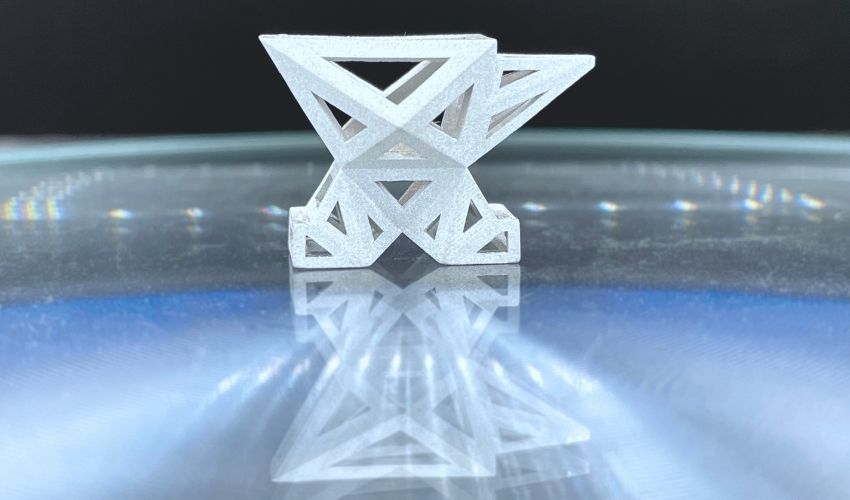
Incus, an Austrian provider for lithography-based AM solutions has announced a partnership with the European Space Agency (ESA), OHB System AG and Lithoz GmbH in a joint project using Incus’ Lithography-based Metal Manufacturing (LMM) process. The project will test 3D printing in a micro-gravity environment, notably seeing whether using this technology it would be possible to create materials in the lunar base using scrap metal or existing surface materials. Ultimately, this research could help to pave the way to future lunar settlements as it could address issues related to supply chains and acquiring supplies from Earth.
Sustainability has been a large concern for many space agencies as they hope to eventually create settlements on the Moon and other planets. Being able to reuse parts and waste that already exists on the lunar surface would greatly reduce a station’s reliance on Earth. This is important because a key to long-term mission is that they should be self-sufficient as maintaining a constantly supply of goods, including supplies, research materials and equipments and spare parts, is one of the major challenges in managing a station. Thanks to LMM processes, it could be possible to manufacturer these necessary items and spare parts on board and on demand.
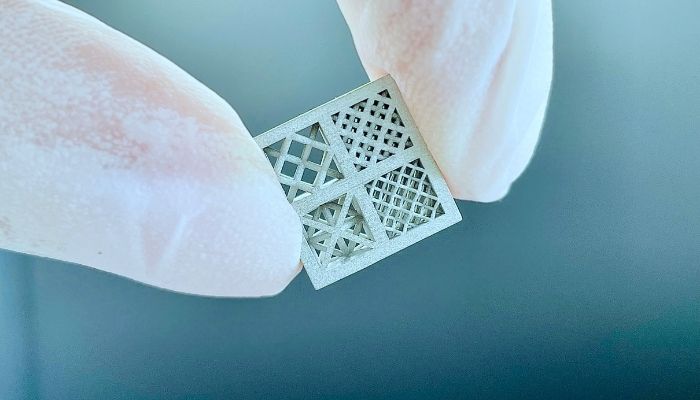
Using LMM technology is ideal for this project is ideal for a few reasons. Not only can it produce spare parts from recycled metal waste, but in many ways it is less complicated to use in micro-gravity than other metal AM processes. This is because unlike metal technique using lasers, meaning they require gas-atomized powders and support structures, LMM uses paste or suspension. This makes it easier to use the metal from the recycled parts and also eliminates manual reworking while remaining safe for the operator. Additionally, according to Incus, the process is known for making parts with good surface aesthetics and similar material properties to metal injection molding (MIM), which is often the process of choice on Earth but which would be too complicated to use in space.
More from the desk
Six other notes from the rest of the bench.
 NewsTop 5 Videos of the Week: how to choose your 3D printing technology…This week we found the top 5 videos about 3D printing and the way additive manufacturing is shaping our society. The technology has infiltrated many sectors, from medical to automotive! Check out our selection of the week to keep up with the innovations! This week we…
 NewsTop 5 Videos: Hollywood’s Top 3D Printed CharactersWelcome to our compilation of this week’s most compelling 3D printing highlights. We begin with our very own video featuring Jason Lopes, CTO at Gentle Giants, as he takes the 3Dnatives team on an exclusive tour of the Hollywood Showcase…
 NewsWhat place is there for 3D printing in education?According to a study commissioned by Ricoh Europe, nearly nine out of ten higher education professionals believe that skills developed using digital manufacturing and 3D printing technologies are vital for graduates entering the labor market. The electronics company surveyed 3,15
 NewsTop 5 Videos: 3D Printing for the OlympicsWelcome back to another top five videos from this week in 3D printing! If you’ve been waiting for the moment to relax and osmose knowledge through the medium of YouTube, then you’ve come to the right place. This week we…
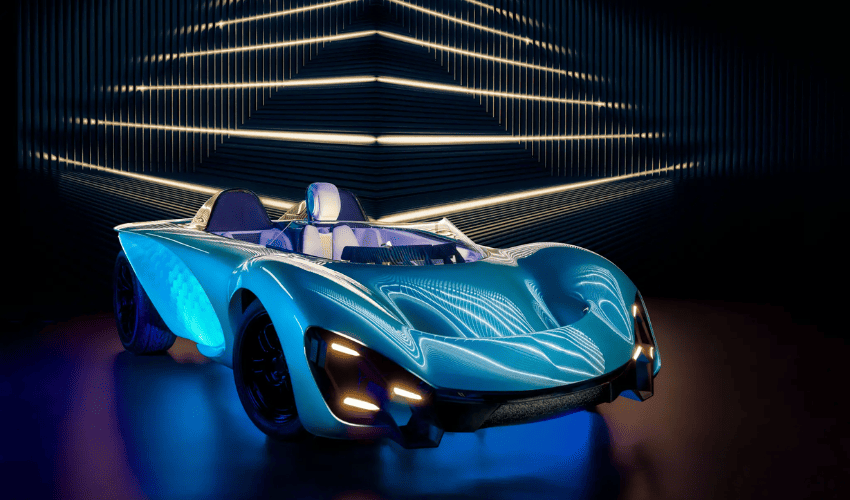 ApplicationsThe Aether Concept Car Pushes the Boundaries of Automotive Design With 3D PrintingThe automotive industry is increasingly moving towards sustainable solutions, with 3D printing playing a key role in this transition. The Aether concept car was created with this in mind. This next-generation electric vehicle incorporates advanced technologies, such as digital mo
 NewsWEBINAR: Scaling Innovation – How Continuous Fiber 3D Printing is Shaping the Future of ManufacturingComposite 3D printing is one of the fastest growing AM sectors, offering parts with the strength and characteristics of metal at the weight of plastic. But not all composite AM processes are created equal. That is why in this 3Dnative…