News
3D Printed Beets: A New Tool for Plant Phenotyping
Technology in the agricultural industry is continually advancing. In recent years, the adoption of tools such as drones, agrarian robots, scanners, precision planters, and artificial intelligence has significantly increased. These innovations have primarily enhanced crop yields a
- 3 min read
- News
- Six more stories
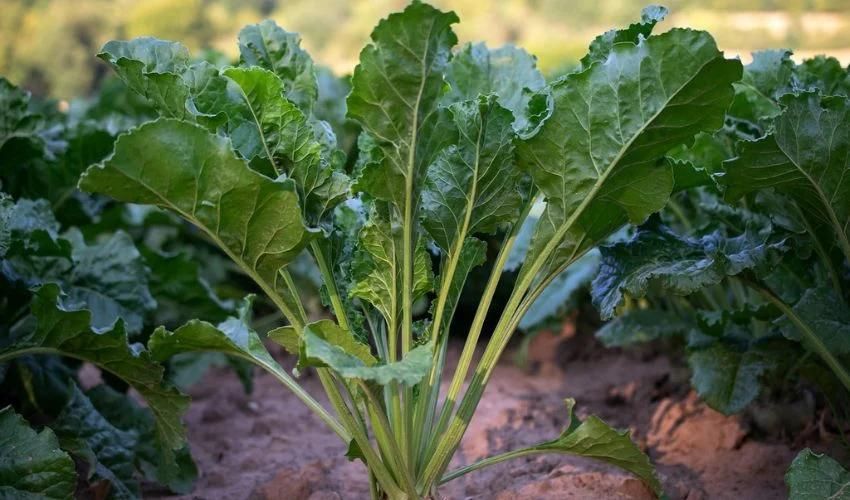
Technology in the agricultural industry is continually advancing. In recent years, the adoption of tools such as drones, agrarian robots, scanners, precision planters, and artificial intelligence has significantly increased. These innovations have primarily enhanced crop yields and facilitated intelligent management practices. Additionally, 3D printing has introduced substantial benefits, particularly in the rapid manufacture of agricultural tools. The potential applications of this technology are extensive, as demonstrated by a recent study where a 3D-printed beet model was developed to improve plant phenotyping.
In collaboration with the University of Bonn, scientists at the Sugar Beet Research Institute have developed a 3D printed plant model to enhance the accuracy and reliability of phenotyping. Phenotyping in agriculture involves observing and analyzing plants to predict their status in a given environment. This process, which reflects the interaction between a plant’s genetic information and its environment, is crucial for identifying plants with the best attributes, thereby optimizing plantings.
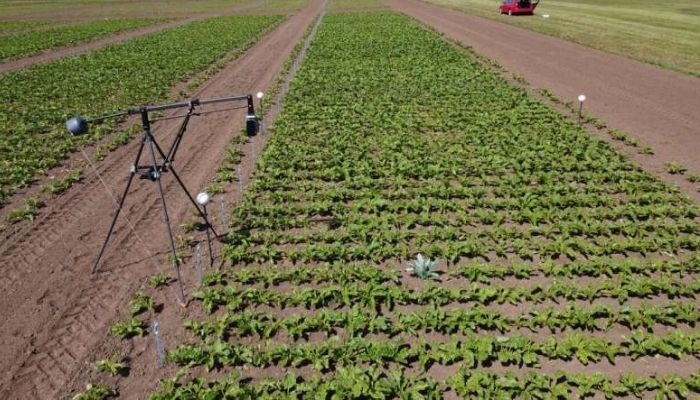
(Photo Credits: Phys.Org)
Previously, phenotyping relied on manual measurements, which were tedious and invasive for crops. However, the advent of various technologies has automated this process. Sensors, spectral cameras, and artificial intelligence are now commonly used in phenotyping. These tools will now be combined with a 3D model of sugar beet, serving as an example to improve crop yields and efficiency further.
More from the desk
Six other notes from the rest of the bench.
 NewsWhat Will Change for Post-Processing in 2026?It’s been a while since PostProcess Technologies released its renowned study on post-processing trends. But now, the 5th edition is finally available, following the last release in 2022. The report highlights a growing focus on sustainability, safety, and health. As…
 NewsTop 5 Videos: Experience Formnext 2024!We’re back with this week’s selection of the Top 5 videos on additive manufacturing. First, watch our Formnext 2024 teaser to get excited for the world’s largest additive manufacturing event. Then, see how a car shop 3D prints parts for…
 GuidesJonathan Jaglom Talks Breaking the Mold in AM and 3D Printing Lenses With flōThough often thought of as a relatively new technology, especially as compared to traditional methods, additive manufacturing has been around for quite some time now. The technologies have evolved far beyond the first iterations in the 80s to the constantly…
 ApplicationsThe Gradual Yet Expanding Integration of 3D Printing in DentistryA recent study conducted by the American Dental Association revealed that only 17% of dentists currently use 3D printers as part of their dental practice. Furthermore, of those dentists who do use 3D printers, a significant 67% have incorporated this…
 MaterialsGH Induction Has 3D Printed the Largest Pure Copper Induction CoilGH Induction has announced the creation of the largest 3D printed coil made of pure copper, made using electron beam melting (EBM). This is a key component used in electromagnetic induction technology to heat metal parts as efficiently as possible.…
 NewsSinger Rosalía Stuns in Original 3D Printed DressLast week, the British Fashion Awards (BFA), an annual ceremony celebrating the best of Britain’s designers, took place in London. Described as London’s answer to the New York Met Gala, the event is highly anticipated within the fashion industry worldwide.…