Printers
Reverse Engineering and 3D Printing: All You Need to Know
Reverse engineering is a method of analyzing a finished product to understand its design and manufacture. By deciphering the structure and composition of an object, this technique offers the possibility of reproducing it, improving it or drawing inspiration from it…
- 3 min read
- Printers
- Six more stories
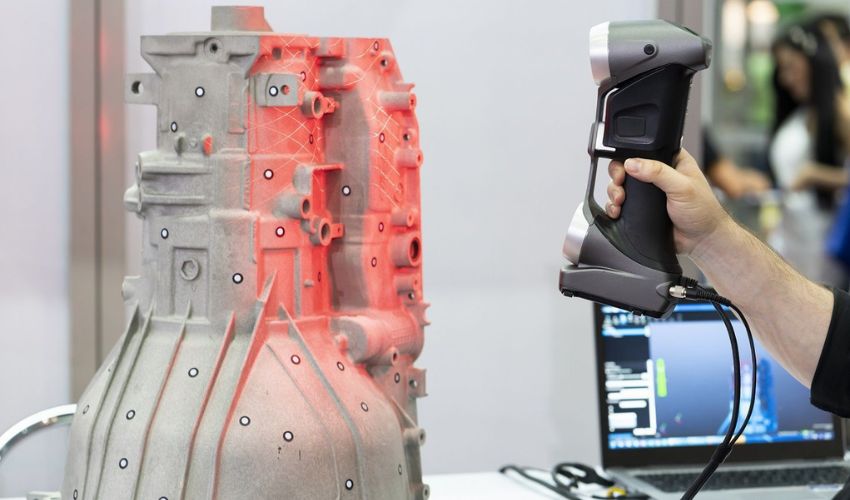
Reverse engineering is a method of analyzing a finished product to understand its design and manufacture. By deciphering the structure and composition of an object, this technique offers the possibility of reproducing it, improving it or drawing inspiration from it for new creations. While it can also be applied to software and other technical fields, we will concentrate here on its use in mechanical engineering.
Combined with 3D printing, reverse engineering becomes a powerful tool, transforming many industries. This combination makes it possible to recreate, optimize and innovate around parts with unprecedented ease and precision. As 3D scanning and additive manufacturing technologies continue to advance, this alliance paves the way for ever more efficient, functional and sustainable solutions. Let’s find out how this technological synergy works, what it can be used for and the benefits.
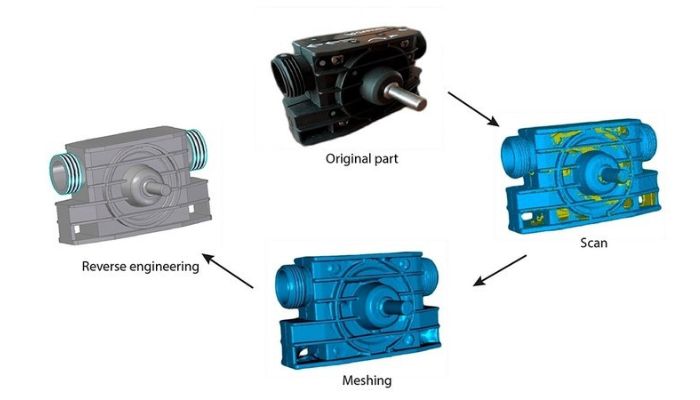
The reverse engineering process (photo credits: 3dcaptura.cz)
Reverse Engineering: A Multi-Stage Method
Reverse engineering begins with the digitization of a physical object. Technologies such as laser scanning, computed tomography (CT scanning) or photogrammetry capture the object’s details in the form of a point cloud. This data is then processed in 3D modeling software to generate a CAD (Computer-Aided Design) model.
More from the desk
Six other notes from the rest of the bench.
 NewsThe Sugar Lab 3D Prints Christmas Candy and DecorationsThat’s it, the halls are decked, the gifts are (almost) ready, and the Christmas tree is sparkling. Christmas has never been this close and despite the circumstances, we wanted to share a fitting story. This collection of 3D printed candy…
 NewsCornell Researchers Have 3D Printed a SuperconductorCornell University researchers recently announced that they have created a new way to 3D print superconductors that deliver record-setting performance. Their method was recently published in the ‘Nature Communications’ journal, and specifically uses a one-step printin
 GuidesNavigating the Best Examples of 3D Printed BoatsAdditive manufacturing is now a production method used everywhere, whether on Earth, in the air, in space or even underwater. Notably, more and more players in the maritime sector are turning to 3D technologies to design parts for their boats,…
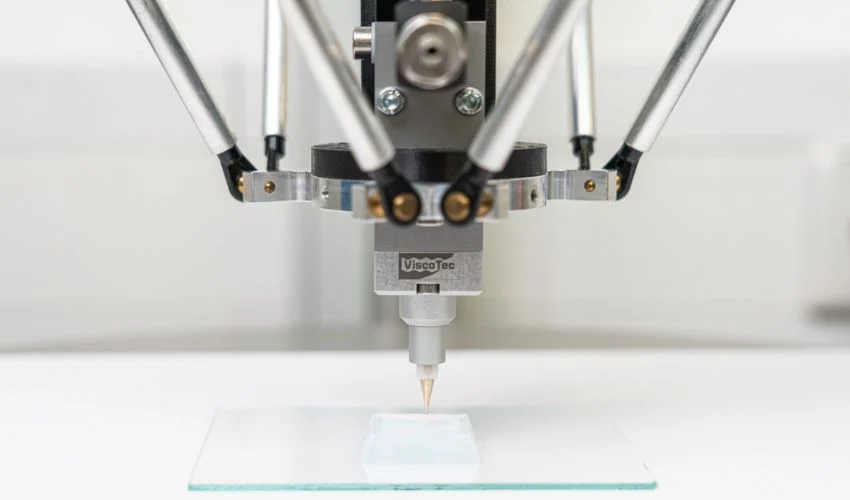 GuidesViscoTec Makes Liquids and Pastes Compatible With 3D Printing Thanks to Innovative PrintheadsViscoTec offers high-precision dosing pumps and systems that are used all over the world. Customer satisfaction is always at the forefront of the company’s activities, which is why it has enjoyed considerable success since its founding back in 1997. Starting…
 NewsSPE Has Acquired 3Dnatives, Expanding its Expertise in the Additive Manufacturing SectorSociety of Plastics Engineers (SPE) has announced the acquisition of 3Dnatives, the media platform dedicated to additive manufacturing. Founded in 1942 and now operating in 84 countries with over 22,500 members, SPE unites plastics professionals worldwide and is dedicated to&hell
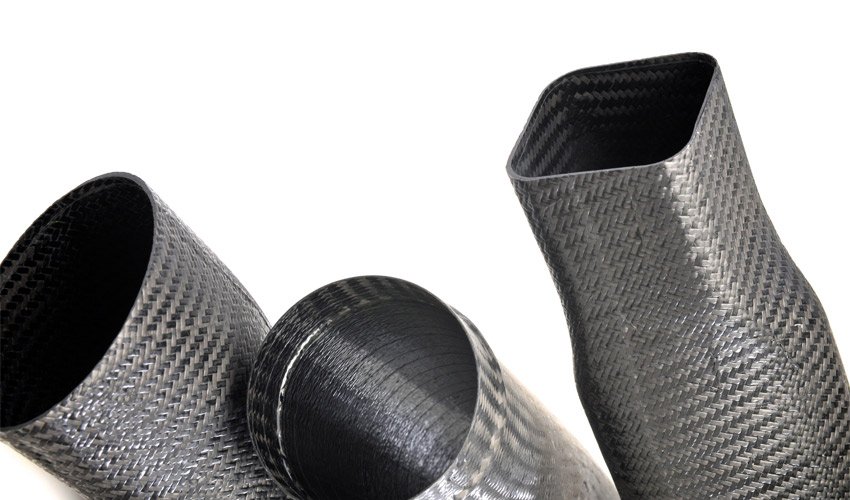 NewsComposite 3D Printing Market To Be Valued at $19.8 Billion By 2028Research and Markets recently released its report on the composite additive manufacturing market. Previously, the report estimated that the technology will be worth more than $28 billion by 2028, representing a 28% annual growth since 2020. However, due to the…