Guides
Navigating the Best Examples of 3D Printed Boats
Additive manufacturing is now a production method used everywhere, whether on Earth, in the air, in space or even underwater. Notably, more and more players in the maritime sector are turning to 3D technologies to design parts for their boats,…
- 3 min read
- Guides
- Six more stories
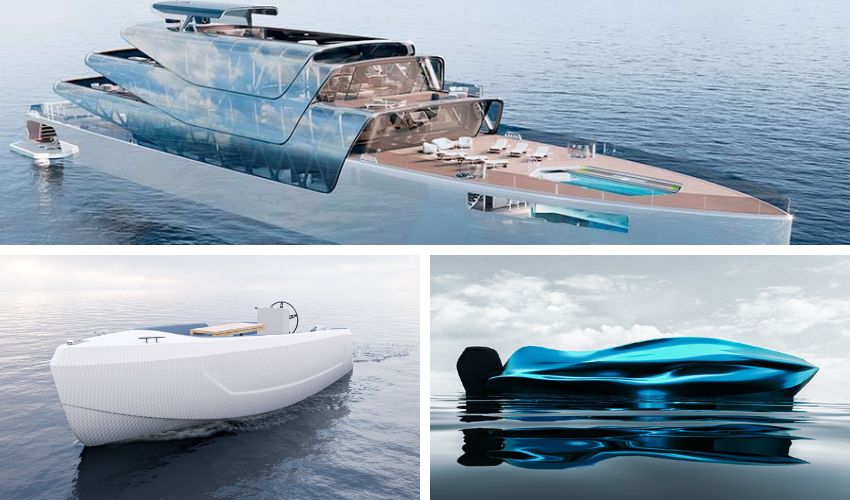
Additive manufacturing is now a production method used everywhere, whether on Earth, in the air, in space or even underwater. Notably, more and more players in the maritime sector are turning to 3D technologies to design parts for their boats, spare parts for submarines and even components of currents turbines. But today we want to focus on something even more extraordinary. Increasingly users are creating fully 3D printed boats. From bow to stern, discover how 3D technologies are impacting the construction of boats through these innovative applications.
UMaine and the Largest Boat to Be 3D Printed
In 2019, the University of Maine unveiled the 3Dirigo, the largest boat to ever be fully 3D printed. In 2022, they surpassed their own record when they printed two new boats for the US Marines, one of which measured twice as large as the original 25-foot, 5000 lbs patrol boat. Though exact information about both boats (including images) is lacking due to national security concerns, what we do know is that they are logistics vessels made for the Department of Defense and which are capable of transporting two shipping containers and a Marine rifle squad with three days of supplies, an astonishing milestone in composite manufacturing. The boats were also made using polymeric composites and the world’s largest polymer 3D printer, which UMaine commissioned in 2019 and which also made the 3Dirigo.
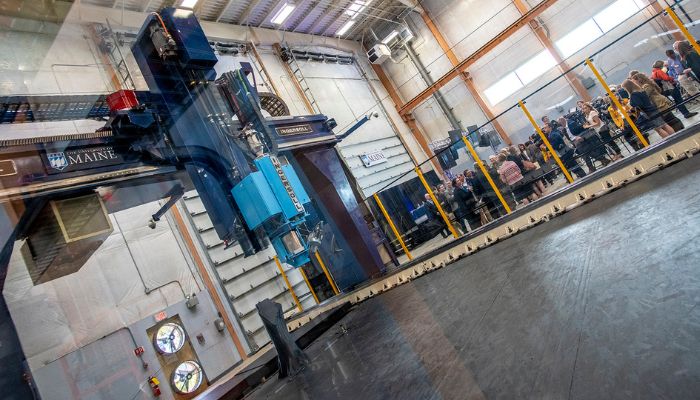
UMaine’s 3D printer was used to print the boat (photo credits: The University of Maine)
MAMBO, a Functional 3D Printed Fiberglass Boat
Unveiled in 2019 during Formnext, the MAMBO boat was designed by Moi Composites, in collaboration with Autodesk, Catmarine, Micad and Owens Corning. It is 12’4″ (6.5 meters) long, 8’2″ (2.5 meters) wide and weighs about 1763.7 lbs (800 kg). The peculiarity of the project is that it turned out to be the first functional 3D printed fiberglass boat to sail in Italian waters during the Genoa boat show. For its development, the company relied on additive manufacturing technology with continuous fiber composite materials. The process involved two robots that fabricated the boat’s components to be assembled. This system allows the creation of much lighter, yet strong and durable parts, limiting material waste and without the need for molds – a successful example of the possibilities of 3D printing in the maritime sector!
More from the desk
Six other notes from the rest of the bench.
 NewsDassault Systèmes’ On-Demand Manufacturing Service, 3DEXPERIENCE MakeDassault Systèmes, leader in 3D design software, 3D Digital Mock Up and Product Lifecycle Management (PLM) solutions, has recently introduced its On-Demand Manufacturing service called 3DEXPERIENCE Make. This service, part of the company’s 3DEXPERIENCE Platform seeks to be a comp
 PrintersEssentium Launches New High Speed Extrusion 280i HT 3D PrinterEssentium has announced the launch of the all new Essentium High Speed Extrusion (HSE) 280i HT 3D Printer. The industry-leading company hopes that this new solution will transform manufacturing floors and solve issues in additive manufacturing relating to speed, strength,…
 ApplicationsMedical 3D Printing Expands in the American MidwestWith a population of less than ten thousand, the small town of Plymouth, Michigan is part of the Midwest region that is pioneering the application of 3D printing in medicine. This past summer, additive manufacturing company Materialise expanded its North…
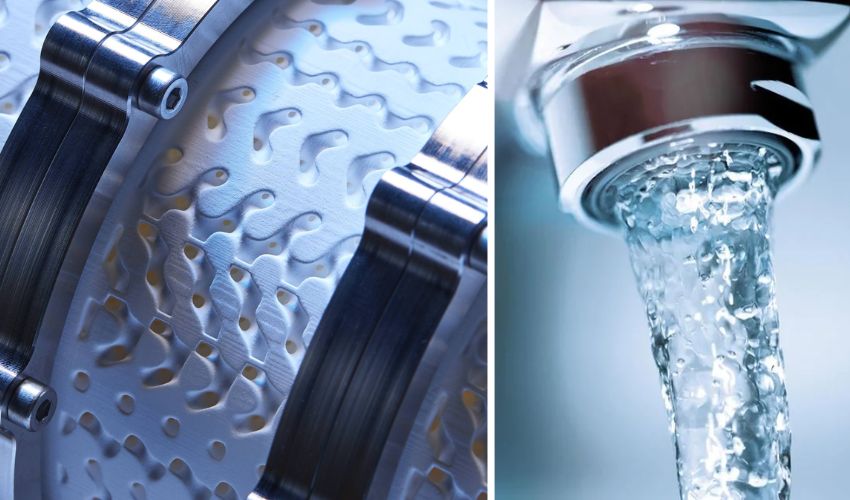 NewsHow 3D Printing is Transforming Water InfrastructureYou learned it in science class: water is the foundation of life. The renewable resource is often taken for granted, since for many of us, it is easily accessible with a turn of the tap. However, the infrastructure that delivers…
 News3DExpress: Between Layers Premieres with The 3D Printing NerdThis week’s headlines start close to home. 3Dnatives is launching a new video series, Between Layers, which steps away from spec sheets to spotlight the makers, engineers, and storytellers shaping the future of additive manufacturing. The first episode features Joel…
 Applications3D Printing Is Being Used to Make a Safer Mosquito RepellentMosquitoes are transmitters of many serious diseases including malaria and dengue fever and as such are responsible for about one million deaths per year according to the WHO (World Health Organization). Not to mention how annoying the bites caused by…