News
Retraction and Displacements in FDM 3D Printing: All You Need to Know
Modeling is an important step in additive manufacturing. Once you have decided on a design, you need to make sure that everything works correctly by configuring and adjusting the printing parameters. These configurations will be carried out in the slicer…
- 3 min read
- News
- Six more stories
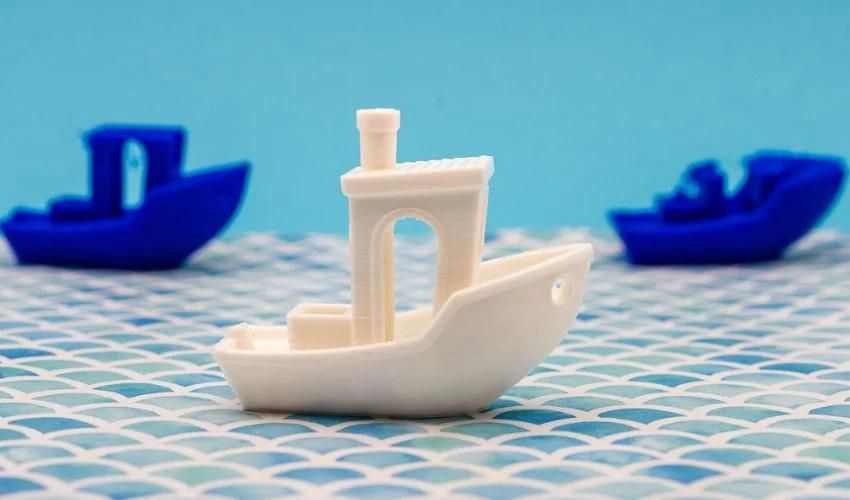
Modeling is an important step in additive manufacturing. Once you have decided on a design, you need to make sure that everything works correctly by configuring and adjusting the printing parameters. These configurations will be carried out in the slicer that is compatible with the machine in question, enabling users to reduce certain printing errors to a minimum. Popular solutions on the market include Cura and PrusaSlicer. When using FDM 3D printing, one of the most important points to consider is the movement of the head in the print zone. To further explore this, we took a closer look at the types of displacement that are possible in 3D printing, as well the role of retraction in particular.
What Is Retraction in 3D Printing?
To begin, we first need to talk about retraction. This is a mechanism adopted by the 3D printer when its head has to move between two parts of the part to be printed. Retraction essentially pulls the filament back to prevent the material from flowing during the movements and displacements performed by the vacuum extruder during the 3D printing process, thus reducing the pressure inside the nozzle. If retraction is not applied, the extruded material may remain suspended between the 3D printed parts.
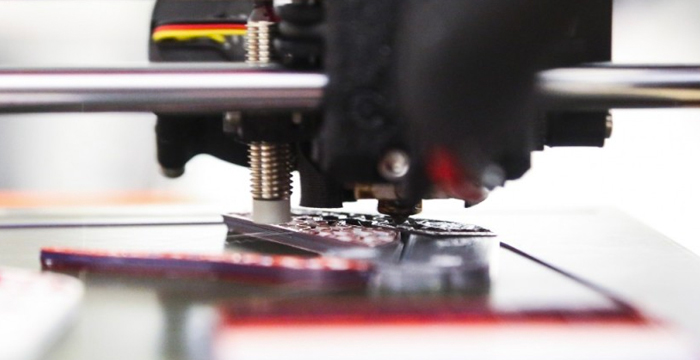
The extruder is capable of retracting a portion of filament to prevent it from flowing between printhead movements.
The parameters configuring this related to the retraction distance itself, which varies according to the material and the type of extrusion system chosen, especially when referring to the use of a Bowden or direct drive extruder. If we use the Bowden extruder, the movements will be cleaner because the filament will pass through a tube called a Bowden and the extruder will be mounted directly on the printer chassis. On the other hand, if we opt for the direct drive extruder, retraction will be better and the result more precise, as the filament will be pushed directly towards the nozzle.
More from the desk
Six other notes from the rest of the bench.
 ApplicationsMexican students develop 3D breast prosthesesThis year alone in the United States will more than 266,000 women be diagnosed with breast cancer. This disease is the one that attacks most women in the world, and often leads to a mastectomy. This process can be painful and difficult,…
 NewsNC State Researchers Develop Novel 3D Printable JellyOver the years, researchers have combined 3D printing and hydrogels for a variety of different innovative projects including a lifelike model of a human heart, cancer treatment, artificial muscle tissue able to adapt its color and shape according to light,…
 NewsA 3D Printed Bike That Takes a Cyclist’s Body Into Account Could Be at the 2024 Olympic Games3D-printed bicycles are becoming increasingly common, including those competing in the 2024 Olympic Games. And now we have yet another exciting example. The X23 Swanigami is a track bike developed by T°Red Bikes, Toot Racing, Bianca Advanced Innovations, Compmech and…
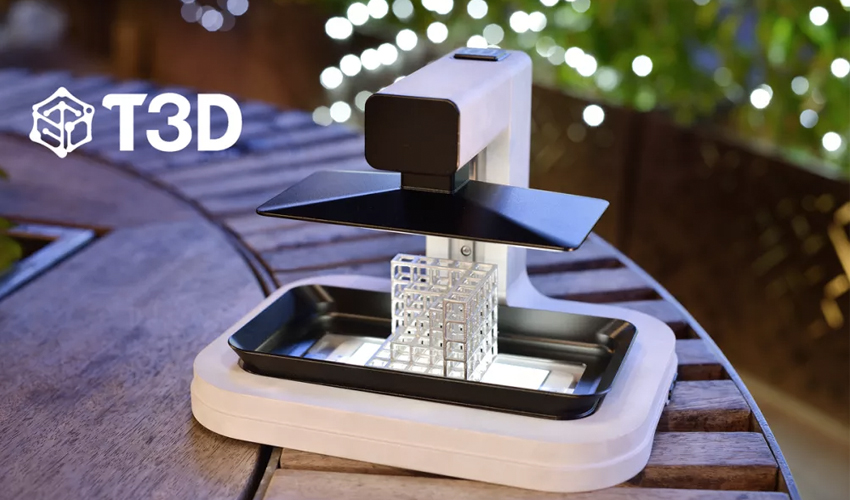 PrintersT3D, 3D printing direct from your mobile phoneThis revolutionary new T3D mini-printer can 3D print in multiple colours directly from your smartphone, and can even do it outside! Riding high on the coat-tails of an extremely successful Kickstarter campaign, T3D is a new Californian 3D-print company. This…
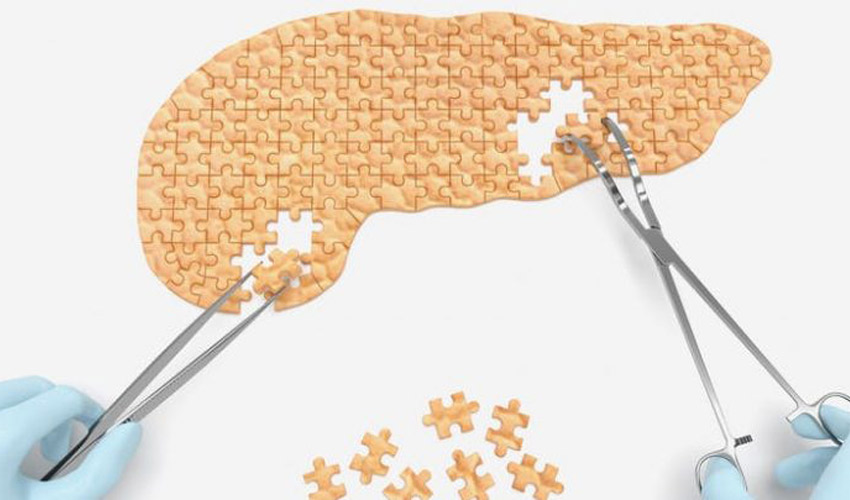 Applications3D Bioprinted Bionic Pancreas to Fight DiabetesA team of scientists from the “Foundation for Research and Development of Science” presented their research work in 3D bioprinting. More precisely, their research is aimed at creating a bionic pancreas to fight diabetes. The foundation, which aims to help…
 Materials3D Systems Plans to Develop Corrosion-Resistant Alloys for Shipbuilding and Maritime Applications3D Systems, in collaboration with Huntington Ingalls Industries’ Newport News Shipbuilding division, announced plans to develop Copper-Nickel (CuNi) and Nickel-Copper (NiCu) alloys for use in powder bed fusion additive manufacturing. Both CuNi and NiCu are corrosion-resistant, ma