Materials
Purdue Researchers Are Using 3D Printing to Advance Energetic Materials Research
At the Purdue Energetics Research Center, researchers are exploring new ways of improving the performance of energetic materials using 3D printing. These materials, capable of releasing significant energy during reactions, include explosives, propellants and pyrotechnic devices.
- 3 min read
- Materials
- Six more stories
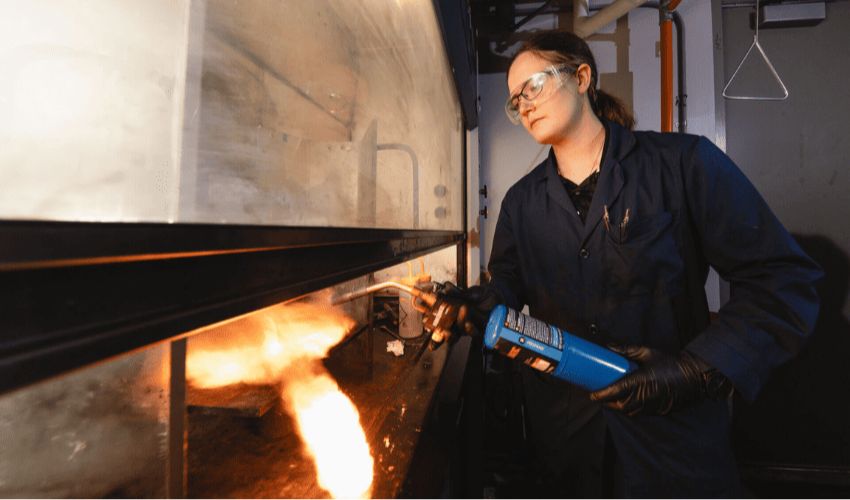
At the Purdue Energetics Research Center, researchers are exploring new ways of improving the performance of energetic materials using 3D printing. These materials, capable of releasing significant energy during reactions, include explosives, propellants and pyrotechnic devices. They also have applications in sectors such as defense and aerospace.
Led by Diane Collard, a researcher at the Purdue Energetics Research Center, the work aims to make energetic materials safer, more efficient and tailored to specific needs. Customization is essential, as characteristics such as blast power, sensitivity, burning rate or energy release vary according to context and application. How could 3D printing improve these materials?
Customizing Energetic Materials with 3D Printing
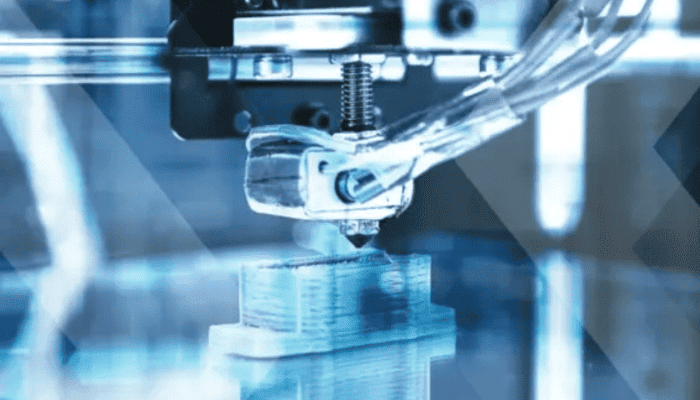
Diane Collard is leading a project aimed at optimizing the power of explosions by using reactive casings around energetic materials with varying internal structures. These materials, designed in collaboration with the Air Force Research Laboratory (AFRL), take advantage of 3D printing techniques to combine several materials in a single step. This approach paves the way for unique configurations capable of modifying material behavior, from their fragmentation to the way they release energy. Collard explains, “These materials are tailorable for different use cases, which is the great thing about additive manufacturing. It’s really meant for a case-by-case basis,” She adds, “If you have a specific mission set in mind or a specific performance requirement, traditional or standardized manufacturing may not be the best fit, as it is better for pumping out parts and designs at volume.”
More from the desk
Six other notes from the rest of the bench.
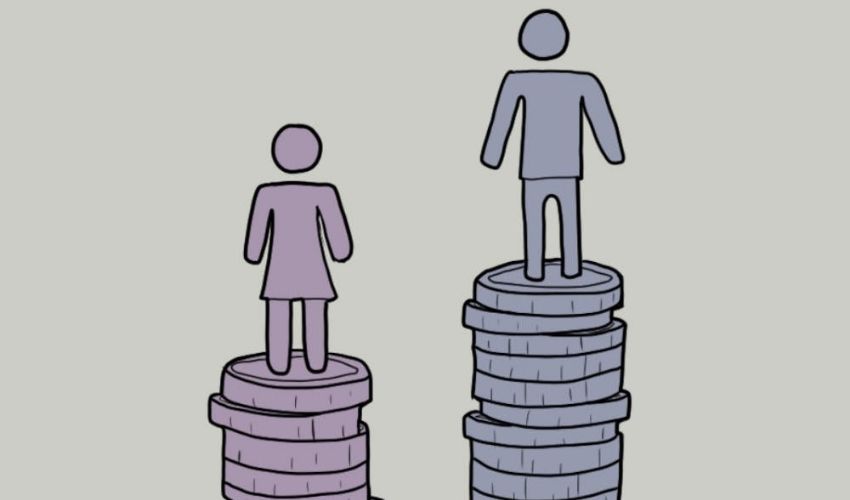 NewsWomen in 3D Printing Publish Report on the AM Gender Pay GapYesterday, we celebrated International Women’s Day, highlighting the many accomplishments of women in additive manufacturing. However, that does not mean the work is done. This can be seen in Women in 3D Printing (WI3DP)’s latest Diversity for AM (DfAM) report…
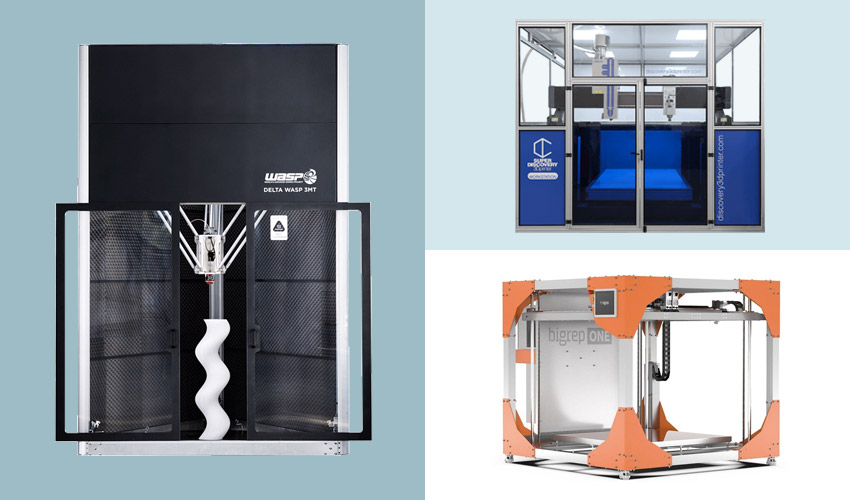 PrintersThe Best Large FDM 3D Printers Available on the MarketAdditive manufacturing is not limited to small parts and models that can be made at home. Increasingly, we are seeing machines with extremely large build volumes as the technologies continue to industrialize, eliminating the need to assemble different components to…
 Guides3D Alliances Talks IMPACT, the Revenue Accelerator Program for AM CompaniesYou have probably already heard of 3D Alliances. The 3D printing consulting company is dedicated to offering additive manufacturing companies different services for their businesses. Now, they have announced the launch of IMPACT, a program that aims to help companies…
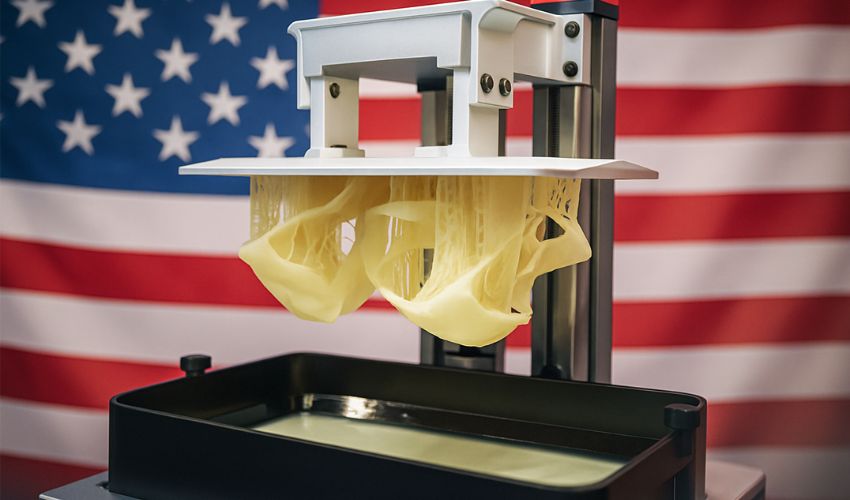 MaterialsWhich Companies Manufacture 3D Printing Resin in the United States?Resins play a central role in many 3D printing technologies. In fact, the very first 3D printing method—stereolithography(SLA)—relies on a UV-sensitive liquid resin that solidifies when exposed to ultraviolet light. This process, known as photopolymerization, is a hallmark of res
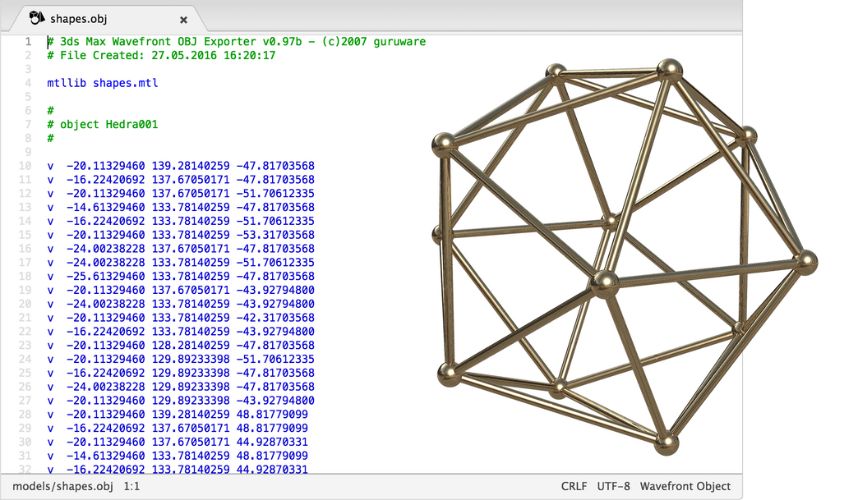 SoftwareOBJ Files for 3D Printing: All You Need to KnowWhen speaking about 3D printing file formats, it can be easy to think that STL is the only one, especially if you do not work in the industry. But that is far from the case. From 3MF to AMF, among…
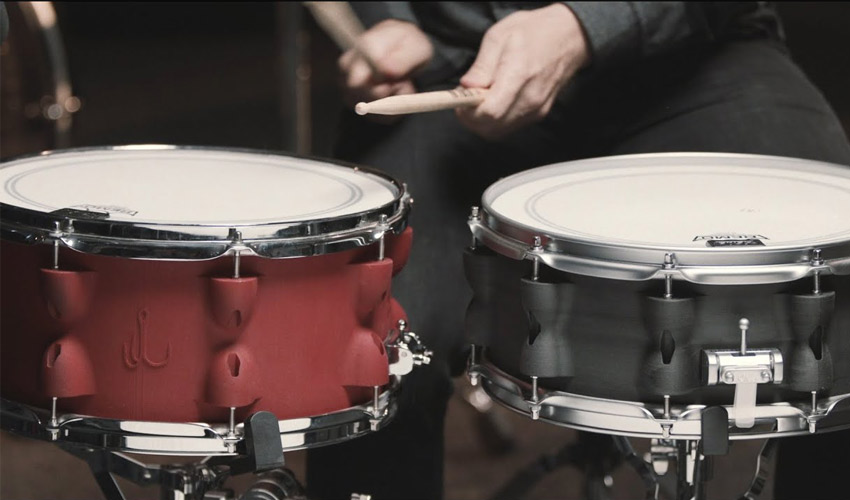 NewsPanic! At The Disco uses 3D printing for its snare drumsThe drummer of the band Panic! At The Disco, Dan Pawlovich used 3D printing to create the body of his snare drum, the horizontal shell that sits between his legs and produces the highest sound. This new method of manufacturing…