Applications
Researchers Successfully 3D Print Muscle Tissues
The additive manufacturing industry has experienced strong growth in recent years and opened up new opportunities in numerous professional fields. In addition to the automotive sector or aerospace, 3D printing is finding more and more applications especially in the medical&hellip
- 3 min read
- Applications
- Six more stories
The additive manufacturing industry has experienced strong growth in recent years and opened up new opportunities in numerous professional fields. In addition to the automotive sector or aerospace, 3D printing is finding more and more applications especially in the medical sector and is now convincing with innovations that can save lives. Now, researchers at the Terasaki Institute for Biomedical Innovation have developed a fascinating new application that can enable the first production and trial of 3D printed muscle tissue.
Nowadays, it is possible to replace lost muscle tissue with the so-called autologous transfer. In this procedure, healthy muscle mass is taken from another part of the patient’s body to be used as a replacement for the missing tissue. Unfortunately, complications can arise during the transplantation process and loss of muscle in other parts of the body, which is why this approach should ideally be avoided. To remedy this, researchers at the institute have now developed a bioink designed to mimic natural muscle formation in order to produce synthetic muscle tissue. This innovative technology could be a promising solution for replacing muscle mass lost through injury, disease or surgery.
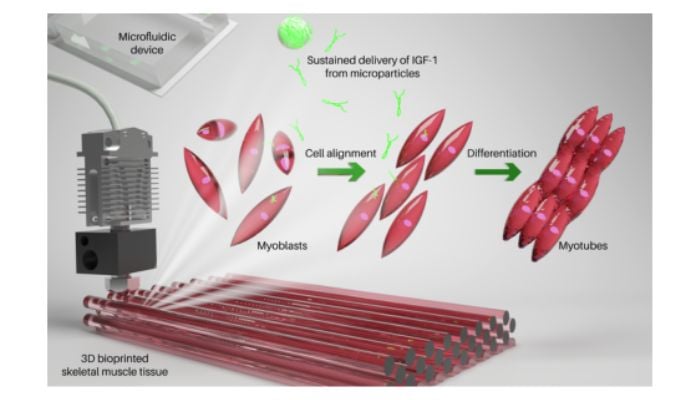
The bioink consists of a hydrogel, myoblast cells and microparticles (photo credits: Terasaki Institute)
The production of muscle tissue is a complex task, as it consists of different cell types and is regulated by biochemical and biomechanical signaling pathways. The researchers focused on the use of growth factor-1 (IGF-1), a hormone with an insulin-like structure that is required for normal bone and tissue growth. The bioink consists of three substances: a gelatin-based hydrogel, myoblast cells and polylactic acid (PLGA) microparticles coated with and continuously releasing IGF-1.
More from the desk
Six other notes from the rest of the bench.
 MaterialsAll You Need to Know About Kevlar 3D PrintingAramid fiber is a synthesized polyamide widely used in additive manufacturing and characterized by its high strength. It was first developed in 1965 by chemist Stephanie Kwolek, a pioneer in polymer research who won several patents and awards during her…
 MaterialsCan You Use Eggshells as a 3D Printing Material?We are always discovering new and interesting 3D printing materials. Just recently, we told you about how researchers are using bacteria to essentially grow strong and porous 3D printed composite materials. And today we have yet another one: eggshells! This…
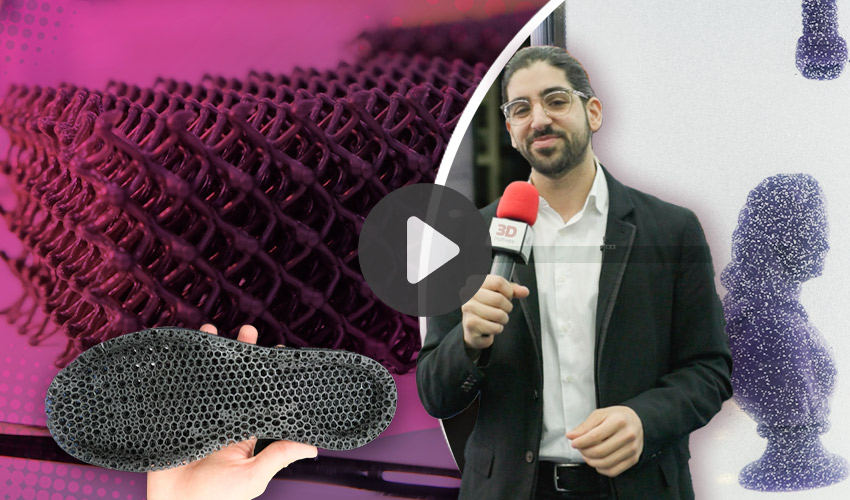 NewsThe Most Exciting Innovations at RAPID + TCT 2025RAPID + TCT 2025 has closed its doors! But thankfully, we still have plenty of content from the largest additive manufacturing and industrial 3D printing event in North America. This includes a video on some of the coolest 3D printing…
 NewsRevo Foods Expands its Presence in EuropeYou have certainly already heard of Revo Foods, the Austrian startup that has taken the country by storm with its innovative 100% plant-based 3D printed smoked salmon. Now, Revo Foods has officially expanded their presence in Europe, making the leap…
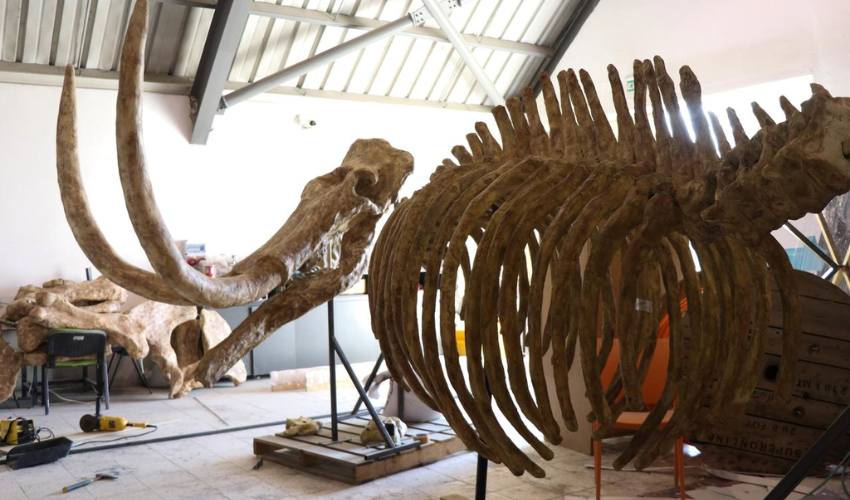 Printers3D Printing Brings Ancient Fossils Back to Life in TürkiyeIn central Türkiye’s Kayseri province, researchers are turning to 3D printing to help restore fossils that date back 7.7 million years. The remains, discovered near the Yamula Dam by a goat herder in 2017, include saber-toothed cats, giraffes, elephants, mammoths,…
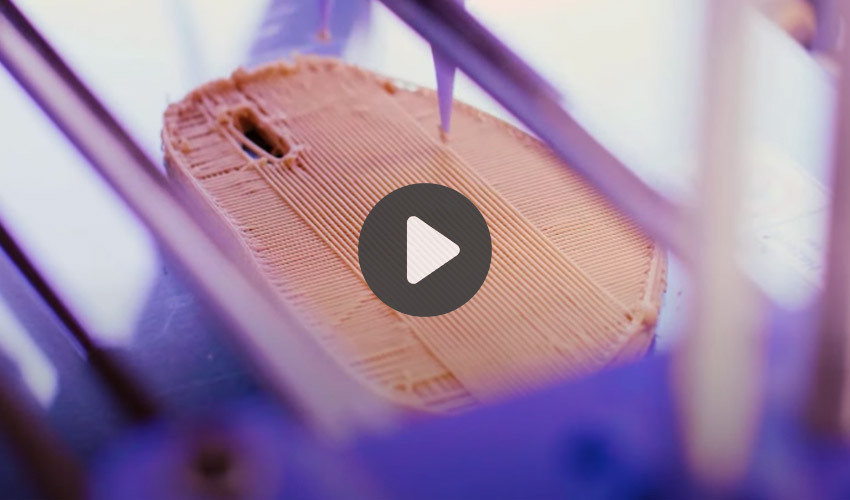 NewsTop 5 Videos: A 3D Printed Vegan Steak, ADDITIV Aerospace & MoreIn this week’s selection of top 5 videos about 3D printing, we’re giving you a sneak peak of our next ADDITIV event – ADDITIV Aerospace. Next up is Marketforged’s new investor video, released after the company announced a merger with…