Printers
3D Printing Brings Ancient Fossils Back to Life in Türkiye
In central Türkiye’s Kayseri province, researchers are turning to 3D printing to help restore fossils that date back 7.7 million years. The remains, discovered near the Yamula Dam by a goat herder in 2017, include saber-toothed cats, giraffes, elephants, mammoths,…
- 3 min read
- Printers
- Six more stories
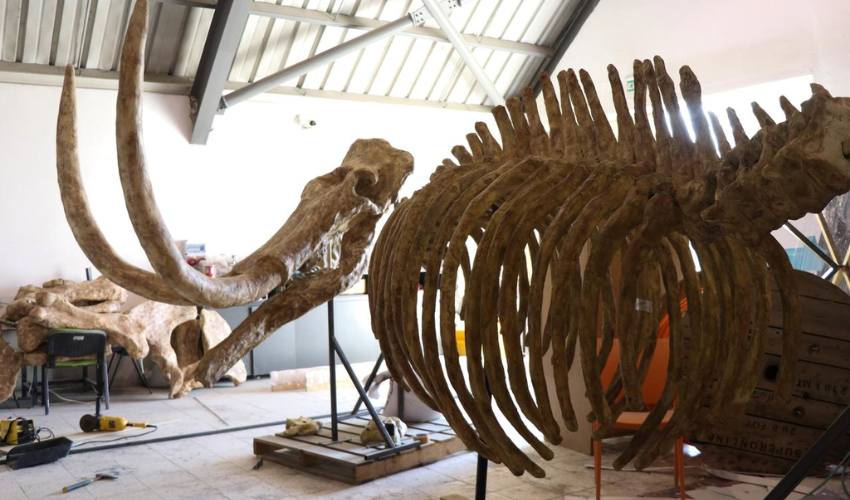
In central Türkiye’s Kayseri province, researchers are turning to 3D printing to help restore fossils that date back 7.7 million years. The remains, discovered near the Yamula Dam by a goat herder in 2017, include saber-toothed cats, giraffes, elephants, mammoths, rhinos, three-toed horses, antelopes, turtles, and pigs. After years of excavation, the fossils are now being cleaned, conserved, and prepared for exhibition at the under-construction Kayseri Paleontology Museum.
Traditionally, gaps in fossils were filled using chemical molds, a process that was both time-consuming and potentially damaging to the specimens. Now, high-precision 3D scanners and printers allow researchers to digitally replicate missing bones without exposing the fossils to chemicals. After scanning each fragment, the team uses the data to design replacement parts that are then printed locally. This approach not only preserves the integrity of the original material but also significantly speeds up restoration.
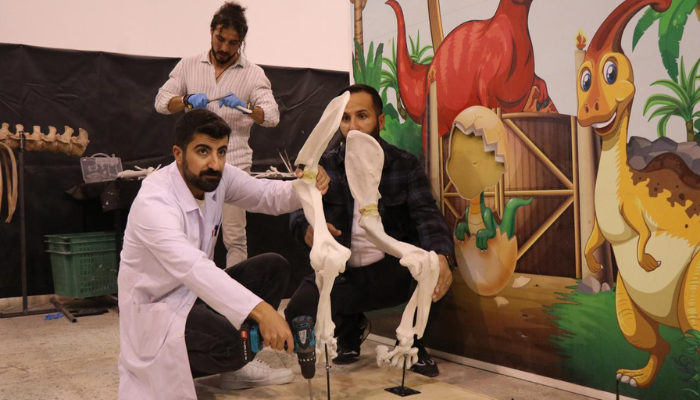
The adoption of 3D printing has brought dramatic cost reductions as well. Mounting a giraffe skeleton previously cost millions of lira and was often outsourced overseas, but with the new technology the team can produce and mount pieces in-house for a fraction of the price. Researchers have already completed full mounts for giraffes, rhinos, and elephants, while a saber-toothed cat mount is nearing completion. Each printed part fits seamlessly with the original fossil, allowing visitors to see complete skeletons for the first time.
More from the desk
Six other notes from the rest of the bench.
 ApplicationsRelativity Space Unveils Next Generation Metal 3D Printers for RocketsOut of all the sectors using additive manufacturing, aerospace has always been one of the pioneers when it comes to embracing the technology. Indeed, 3D printing is critical for a variety of applications in the field thanks to its ability…
 NewsLatin America’s 3D Printing Revolution2020 was a year of great change in the 3D printing industry, resulting in adaptations that have allowed us to see the full potential of the technologies. It was also a year of opportunities and democratization for additive manufacturing technologies,…
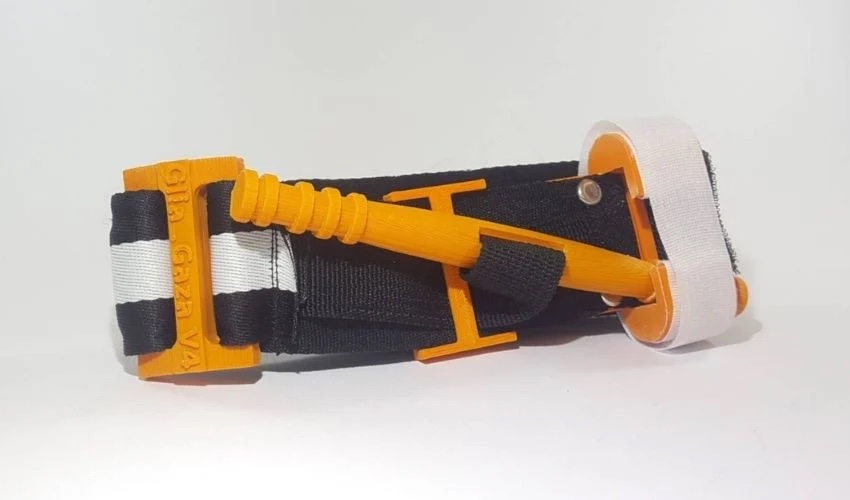 Applications3D Printed Tourniquets Could Help Save Lives in UkraineThe need for assistance to residents in Ukraine could not be more urgent due to the current Russian invasion. Aid organizations, States and even private companies have called for donations necessary for survival. From clothes, food or medicine – the…
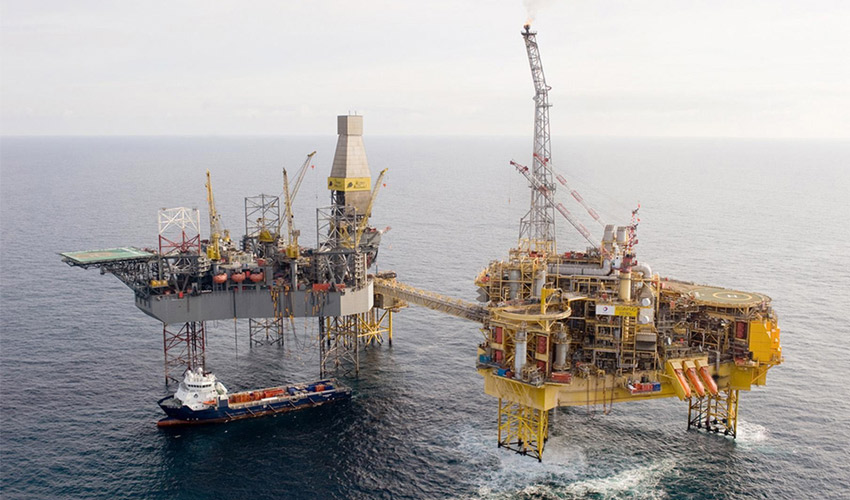 NewsVallourec and Total Made the First 3D-Printed Safety Critical Component in the Oil & Gas IndustryA few months ago, after a year of collaboration, Vallourec and Total announced that they had successfully installed the first ever 3D printed waterbushing in the North Sea. For those who might not know, waterbushings are safety-critical components in the…
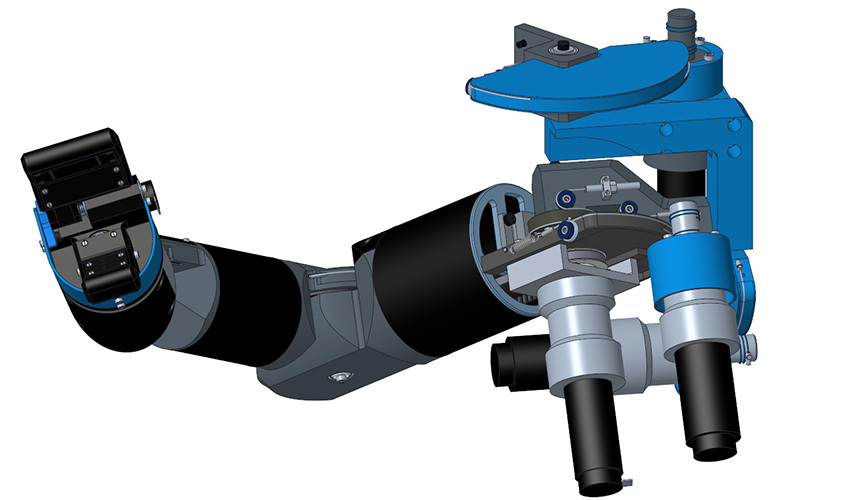 SoftwareAll You Need to Know About CreoCAD (or computer-aided design) is an essential component of the digital workflow of additive manufacturing. As is in the name, it involves the use of computer software to create, modify, or analyze a design before it is ready to be…
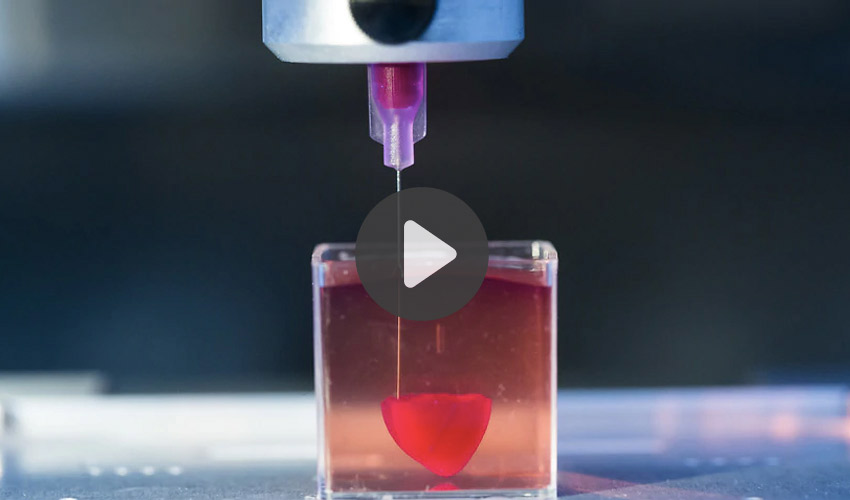 NewsTOP 5 VIDEOS: 3D printed heart, tooling, 3D printing & mathematics …We found the TOP 5 VIDEOS of the week about 3D printing and the way additive manufacturing is shaping and changing our society. If you enjoy these, you can view even more 3D printing videos on our Youtube channel. Hope you’ll enjoy…