News
Researchers Develop New 3D Printable Gel from Sorghum Proteins
Researchers at the University of Arkansas System Division of Agriculture have developed an innovative 3D printed gel from grain sorghum. Assistant professor Ali Ubeyitogullari and postdoctoral fellow Sorour Barekat were able to utilize this drought-tolerant grain to create a stab
- 3 min read
- News
- Six more stories
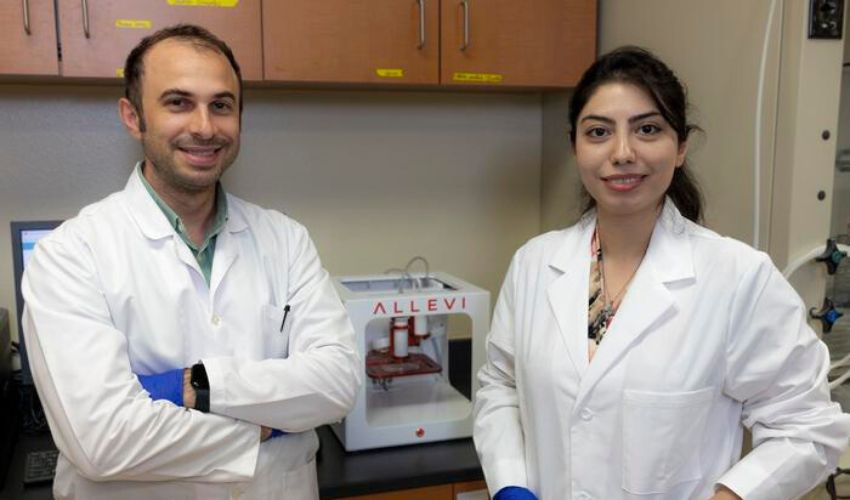
Researchers at the University of Arkansas System Division of Agriculture have developed an innovative 3D printed gel from grain sorghum. Assistant professor Ali Ubeyitogullari and postdoctoral fellow Sorour Barekat were able to utilize this drought-tolerant grain to create a stable bioink. This past year has seen many developments within the bioink sector, especially in its use within the medical and food industries. Recent work by the University of Alberta demonstrated improved 3D printability of pea proteins, and together with these new advancements in sorghum proteins, they are paving the way for a new era of protein-derived bioink manufacturing.
Sorghum itself is known for its ability to adapt to varied climates and temperatures. It is also known for its health benefits, including the lowering of cholesterol and anti-inflammation properties. Typically, the grain is used within gluten-free cereals and baked goods, but the Arkansas research team was able to utilize the hydrophobic protein structure to create precise 3D printed food and drug models.
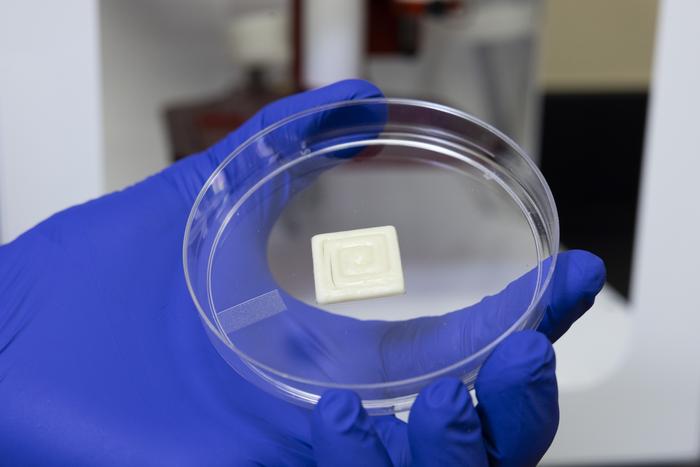
Sorghum proteins were utilized to create a hydrophobic bioink.
Professor Ubeyitogullari noted that, “Most proteins studied for 3D food printing are hydrophilic, meaning they absorb water, which can limit their use. Sorghum proteins are naturally hydrophobic, helping maintain the cohesion needed for 3D structures. This is exactly what we were looking for in a cost-effective, sustainable printing material.” The team discovered that the optimal printing parameters for the new gel were a formulation of 25 percent sorghum protein printed at a speed of 20 millimeters per second with a 0.64 millimeter nozzle. This produced the most stable structure using the new gel. The team attempted to increase the concentration to 35 percent however, this did not improve the print quality. Fellow Barekat commented that, “What we’ve demonstrated is that sorghum protein can be made into a printable gel that retains its shape, something not done before.”
More from the desk
Six other notes from the rest of the bench.
 NewsSteakholder Foods Unveils Its New, Highly Marbled 3D Printed Beef CutsRecently, international deep-tech food company Steakholder Foods Ltd announced the release of a new, 3D printed meat cut called Omakase Beef Morsels. The richly marbled structured meat product is the first of its kind and was created using a specific 3D-bioprinting…
 News3D Printing Brings a Sea Monster to LifeYou might have seen the recent story about the discovery of the giant fossil that was extracted in the UK in the beginning of December 2023. The skull of a pliosaur, an ancient marine reptile from the Jurassic period, was…
 NewsWhat Is Tolerance in 3D Printing?When most people think of tolerance, what comes to mind is the ability to accept or tolerate somebody or something. However, there is another meaning when it comes to manufacturing and instrumentation, where tolerance is defined as the limit of…
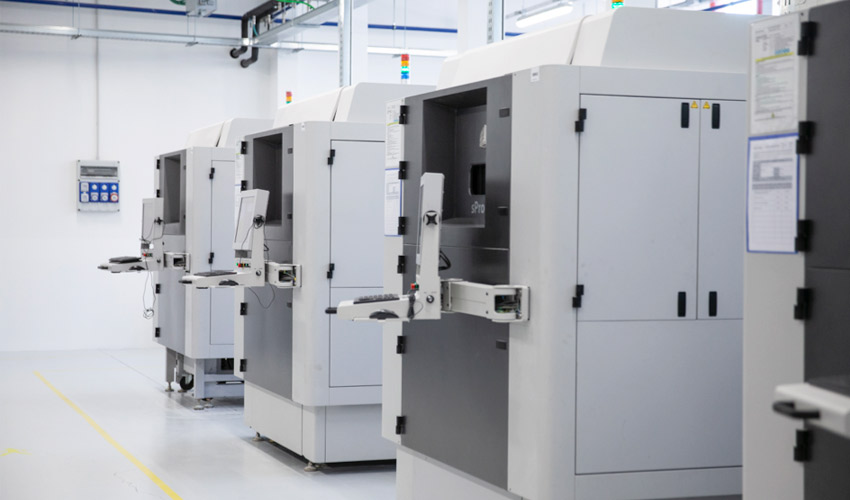 News3D Systems expands further in Europe with launch of new AM centre3D Systems has expanded its On Demand service in Europe with the recent launch of its brand new Advanced Additive Manufacturing centre in Pinerolo, Italy. Over the past 15 months, the company has made a significant investment, more than doubling…
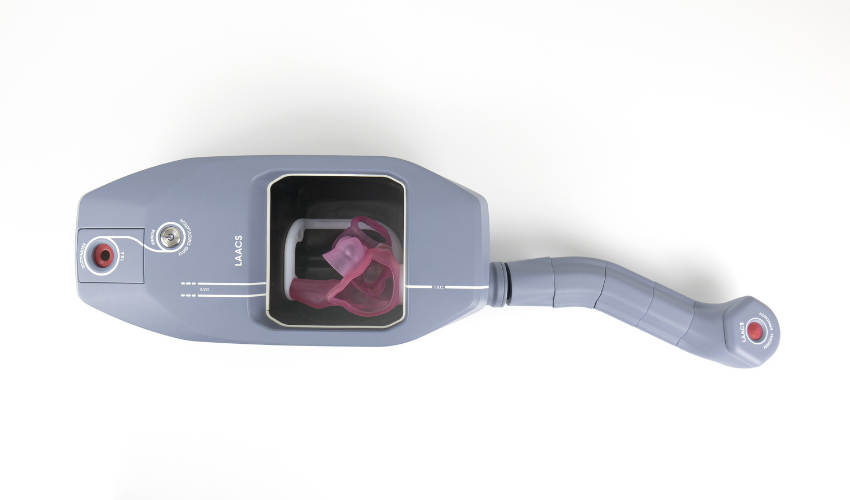 ApplicationsBiomodex adds new 3D printed surgical training solution3D printing is increasingly becoming an important tool in the medical field notably for customization of medical devices. However it is clear that it also will be important in medical training. In the latest advancement, Biomodex, a Boston and Paris…
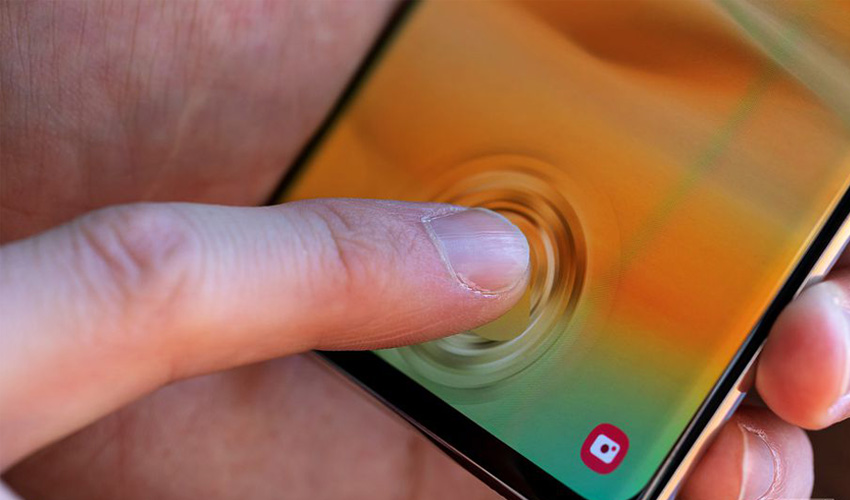 News3D printed fingerprint fools Samsung Galaxy S10’s sensorIn recent years, more and more smartphone manufacturers have equipped their mobile phones with fingerprint sensors, which can be used for unlocking but also for app stores and banking apps, for example. This is supposed to increase user safety, however,…