Applications
Research Begins On 3D Printed Drugs For Pediatric Care
In 2022, the global pharmaceutical industry was valued at $1.4 trillion, but it has only been in the past few years that more buzz has surfaced about 3D printed medications and how their production could revolutionize the way we take…
- 3 min read
- Applications
- Six more stories
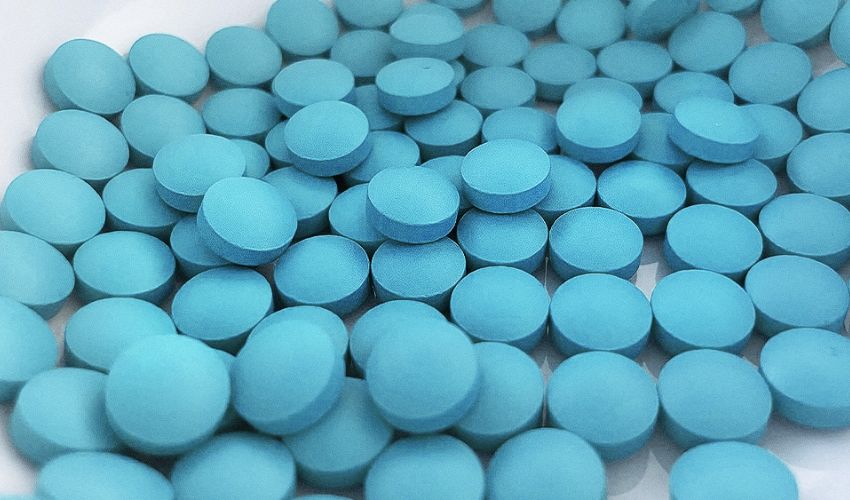
In 2022, the global pharmaceutical industry was valued at $1.4 trillion, but it has only been in the past few years that more buzz has surfaced about 3D printed medications and how their production could revolutionize the way we take our medicine. Indeed, the medical sector is no stranger to additive manufacturing, having made significant advances in theory and practice with bioprinting, 3D printed prostheses, and surgical guides. However, recently more companies and researchers have been making inroads into the application and manufacture of 3D printed drugs that provide unique options unavailable to traditional pills.
Unlike their mass-produced relatives, 3D printed pharmaceuticals create a unique medium where it is possible to create fully personalized treatments with the opportunity to control the exact dosage, combine multiple drugs into a single pill, and even better control the release of the drugs within our bodies. With such advanced customizability, it would be possible to better aid the most vulnerable and critical of patients such as children and the elderly. Children in particular require more attentive planning and modified dosages that will not impact their health or development as they grow at such a rapid pace.
Creating 3D Printing Drugs for Children
In light of that, the National Institutes of Health (NIH) has awarded researchers at Texas A&M University a three million dollar grant to further study the feasibility of producing tailor-made, 3D printed medicine for pediatric care. The research being conducted at Texas A&M is part of an interdisciplinary team of experts from the university’s Colleges of Engineering, Pharmacy, and the School of Veterinary Medicine and Biomedical Sciences. It will focus on two aspects, the first being the manufacture of the drugs, their structural qualities, integrity, and overall effectiveness compared to current pharmaceuticals. The second aspect of the research will focus on the patient; on how 3D printing methods can help adapt the dosage size of medication throughout the growth of their patients, ranging from infants to 17-year-olds.
More from the desk
Six other notes from the rest of the bench.
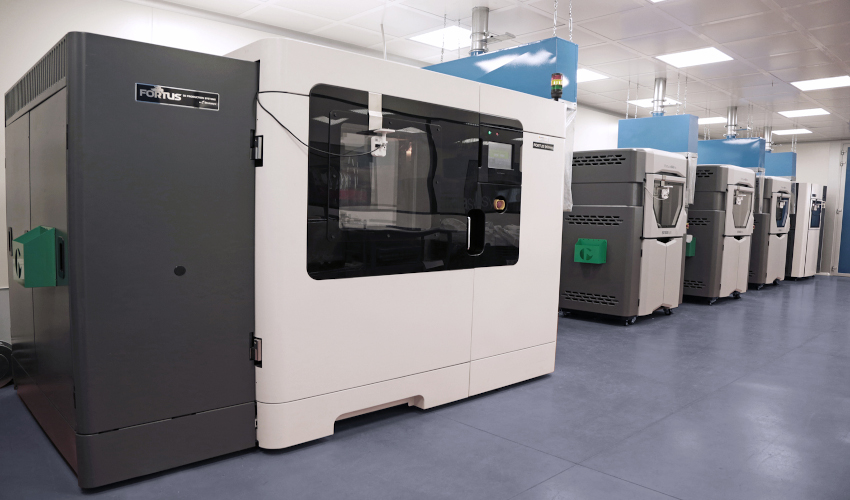 News3D Printing Enables Customization in Packaging IndustryHaving penetrated numerous industries, additive manufacturing keeps bringing more and more possibilities to the companies that hurry to embrace this innovative technology. Marchesini Group S.p.A is among the ones who have taken advantage of 3D printing and is now reaping…
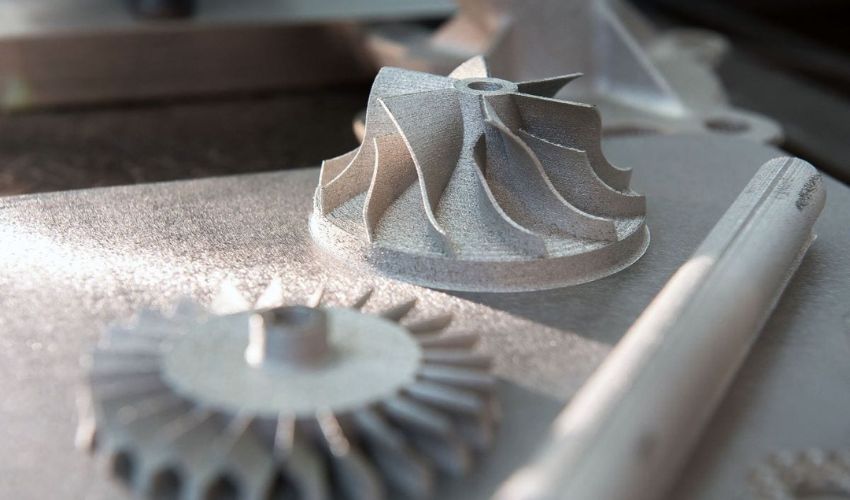 MaterialsNIST Announces Metal 3D Printing Breakthrough Which Could Help Spur Wider AdoptionOne of the biggest obstacles to widespread adoption of metal additive manufacturing is that we still have large gaps of understanding about what happens to the material during the process. More specifically, there are few tools which can show what…
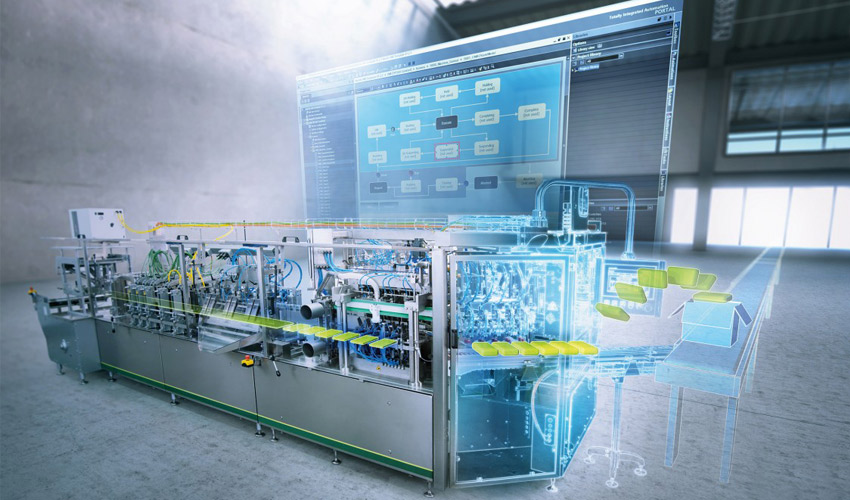 News2021: What to watch out for in additive manufacturingThe year 2020 was eventful and unpredictable to say the least. However, the additive manufacturing industry adapted to these changes surprisingly quickly, and was able to stay afloat. If you remember, many of the needs in the healthcare sector were…
 NewsTOP 5 videos of the week: Levi’s, robots and more!A new selection of the best 3D printing videos of the week, just for you! Find our TOP 5 videos of the week below and tell us what your favorite video is in a comment or on our Facebook and Twitter page. Don’t hesitate to…
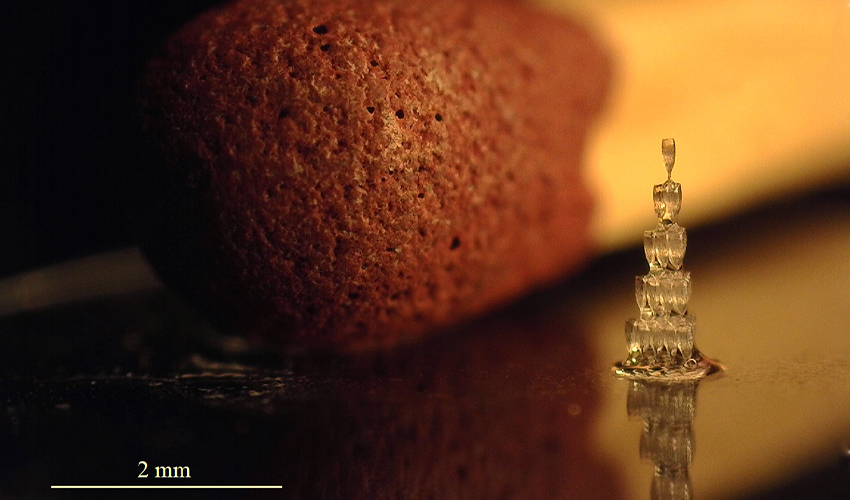 PrintersThe smallest champagne pyramid ever 3D printedUsing its microfabrication 3D printing technology, Microlight3D created a 2-millimeter high champagne pyramid, consisting of 35 micro glasses. The French company has a great deal of experience in microprinting; with this creation it has managed to design the smallest pyramid&hell
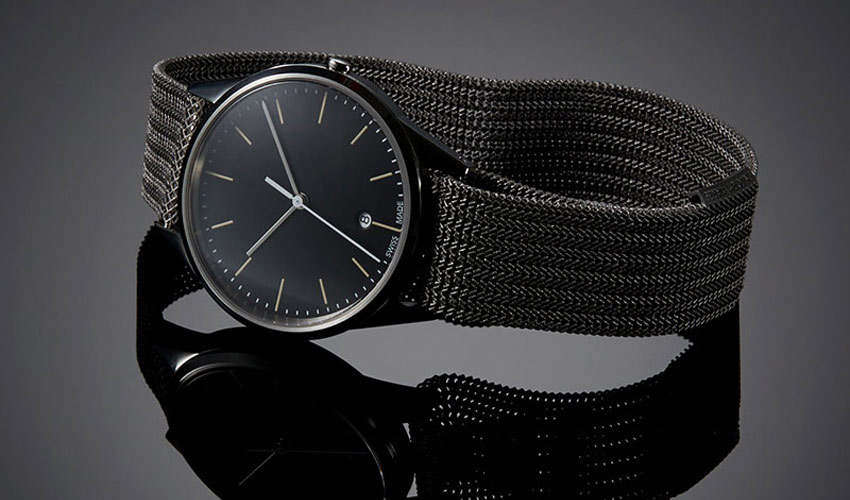 NewsUniform Wares 3D prints the thousands of links for its watchesWatch manufacturer Uniform Wares wanted to explore how additive metal fabrication could change the way watches are made. With its partner Betatype, they imagined a titanium alloy rim for its 2019 collection; the PreciDrive M-Line. This is thanks to the powder-bed melting…