Applications
Replacing Metals With High-Performance Polymers in Industrial Applications
In traditional manufacturing, metal is praised for its strength, corrosion resistance and durability, among other properties. And while that will never change, the rise of the use of additive manufacturing with high-performance polymers has brought about an astonishing developmen
- 3 min read
- Applications
- Six more stories

In traditional manufacturing, metal is praised for its strength, corrosion resistance and durability, among other properties. And while that will never change, the rise of the use of additive manufacturing with high-performance polymers has brought about an astonishing development: the ability to replace metal parts with high-performance polymer ones. This can even be done in safety-critical industries like aerospace, automotive and railway.
But what are the advantages of switching metal parts for ones made from high-performance polymers? And more importantly, what tools are needed to ensure that it is done safely? Omni3D, known for its industrial-grade 3D printers, has arisen as one of the leaders in this field and it is actively working to show how it is possible to switch metals for high-performance polymers in different sectors. We took a look at how.
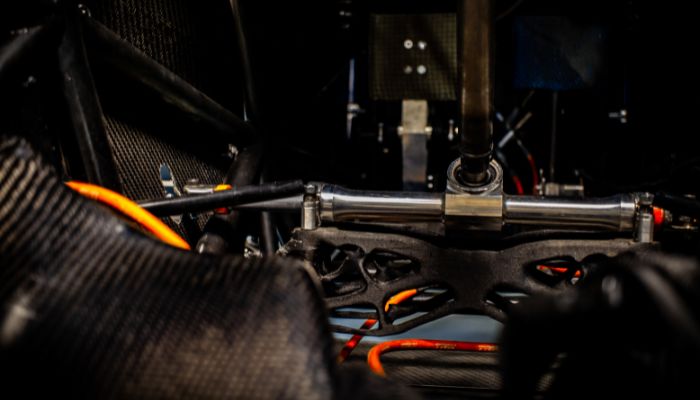
A polymer gear mount made using Omni3D’s large-format 3D printing
What Are the Benefits of Using High-Performance Polymers Over Metals?
First, it is important to note what exactly high-performance polymers are. These thermoplastics are notable for their incredible properties like corrosion resistance, superior strength-to-weight ratio, durability, thermal stability, creep resistance and chemical resistance, among others depending on the material. For additive manufacturing, some of the most used are PEEK, PEKK and ULTEM which offer different advantages.
More from the desk
Six other notes from the rest of the bench.
 ApplicationsChanel Has Developed 3D Bioprinted Skin to Improve its Skincare Projects3D printing is now firmly established in the cosmetics industry. Many brands use this technology for a multitude of applications. For example, Cosmogen has turned to metal 3D printing to customize its applicators and imagine geometries that would be impossible…
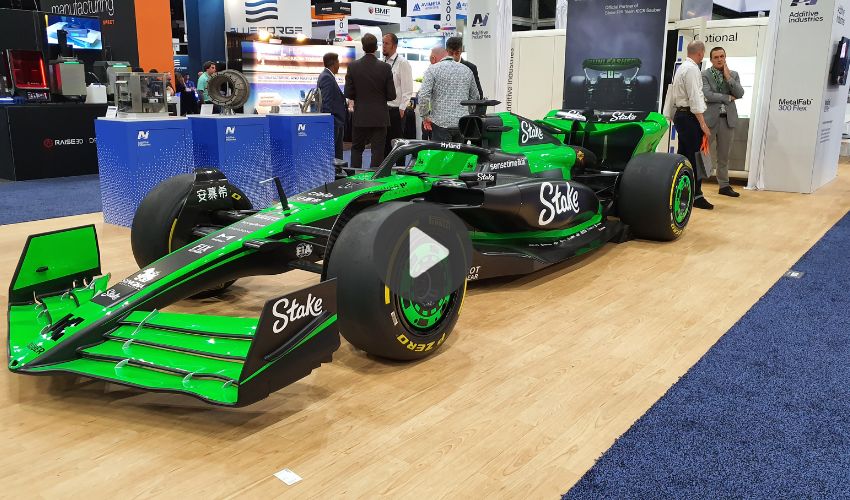 NewsThe Best Innovations at RAPID + TCT 2024Have you been keeping up with all the news from RAPID + TCT? With a rapidly changing additive manufacturing landscaping, it can be hard to know what some of the most interesting technologies shown at the event were. That is…
 NewsAir Up, the Water Bottle Designed With 3D Printing That Changes the Taste of WaterThe possibilities of additive manufacturing are countless and varied. The company we’re featuring today, Air Up, is one such example. Based in Munich, it has set a new trend in healthy drinks by selling bottles that flavor water using the…
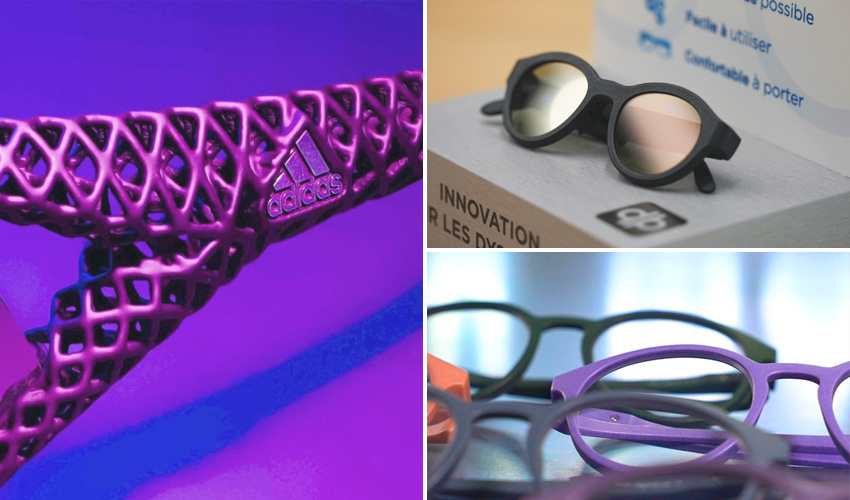 GuidesThe Most Innovative 3D Printed Glasses on the MarketWhen you think of 3D printing especially in the medical sector, one of the most important benefits of the technology is the fact that it can make fully-customizable parts. It probably comes as no surprise then that one of the…
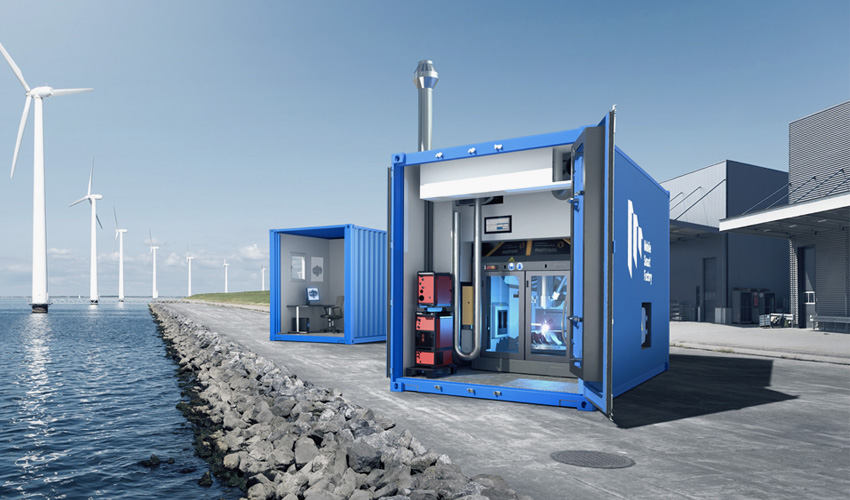 PrintersAn intelligent production module to 3D print parts on siteCan you imagine a parts factory inside a container? The so-called Mobile Smart Factory is a practical solution to bring the production process with 3D printing closer to anyone, anywhere. It is a factory inside modular containers equipped with devices…
 NewsWhat are the best 3D startups of 2019?Throughout the year the 3Dnatives team has followed some of the most disruptive companies in the field of 3D printing. In our #3DStartup series, once a month, we interview startups that have come out of the mold thanks to their…