Applications
Chanel Has Developed 3D Bioprinted Skin to Improve its Skincare Projects
3D printing is now firmly established in the cosmetics industry. Many brands use this technology for a multitude of applications. For example, Cosmogen has turned to metal 3D printing to customize its applicators and imagine geometries that would be impossible…
- 3 min read
- Applications
- Six more stories
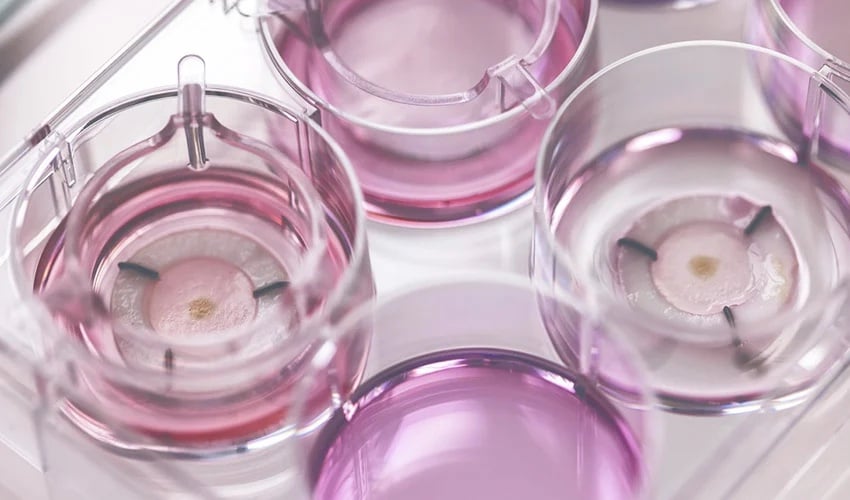
3D printing is now firmly established in the cosmetics industry. Many brands use this technology for a multitude of applications. For example, Cosmogen has turned to metal 3D printing to customize its applicators and imagine geometries that would be impossible without this design method. Another brand, Albéa, is banking on additive manufacturing to create the cosmetic packaging of tomorrow. Finally, L’Oréal, a major player in the sector, uses 3D printing in particular to halve product development time. In fact, the company has many 3D printers including those using FDM, SLA and Multi Jet Fusion technologies. Now, Chanel, a major luxury brand, is also exploiting 3D printing.
Previously, the company has already used 3D printing to create mascara brushes. But it recently unveiled its latest innovation: 3D bioprinting of reconstructed human skin with a pigment spot in the middle. This creation was developed in collaboration with Labskin Creations, a French bio-technology start-up specializing in advanced 3D engineering of skin and fat tissue. The goal of this project is to better assess the mechanism of these imperfections to produce more effective skin care products. According to Chanel, this is a world first. This human skin is the result of a combination of cell culture techniques and 3D bioprinting.
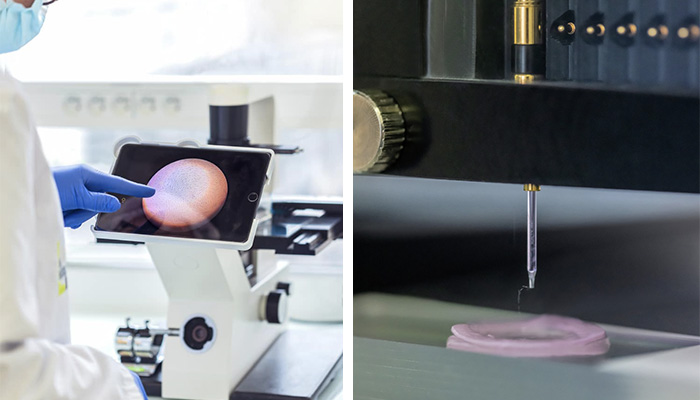
LabSkin Creations’ technology makes it possible to reproduce the epidermis and dermis of the skin (photo credits: LabSkin Creations)
3D Printing for Better Skincare
For the creation of this 3D bio-printed skin, the French company explains that it obtained this model through the use of a bio-ink containing melanocytes. The latter are cells responsible for skin pigmentation by synthesizing a pigment, melanin. The pigment spot then appears gradually after a maturation stage. “This exclusive model, designed using human cells in their microenvironment, allows us to explore and better understand the biological mechanisms linked to skin pigment irregularities, to evaluate the effectiveness of preventive and corrective active ingredients in order to select the most effective ones,” commented Chanel.
More from the desk
Six other notes from the rest of the bench.
 NewsWhat Does Resolution Mean in 3D Printing?In 3D printing, resolution generally refers to the degree of detail and precision a printer can achieve when creating an object, but more specifically, it refers to the minimum feature size of the X, Y and Z axes. The XY…
 ApplicationsApplication of the Month: World’s First Single-Piece 3D Printed Inconel Rocket EngineWe’ve seen plenty of 3D printed rocket engines in recent years. In 2025 alone, New Frontier Aerospace successfully tested one, while POLARIS Spaceplanes trialed a 3D printed aerospike engine. Other major players, from Relativity Space to Launcher and Orbex, are…
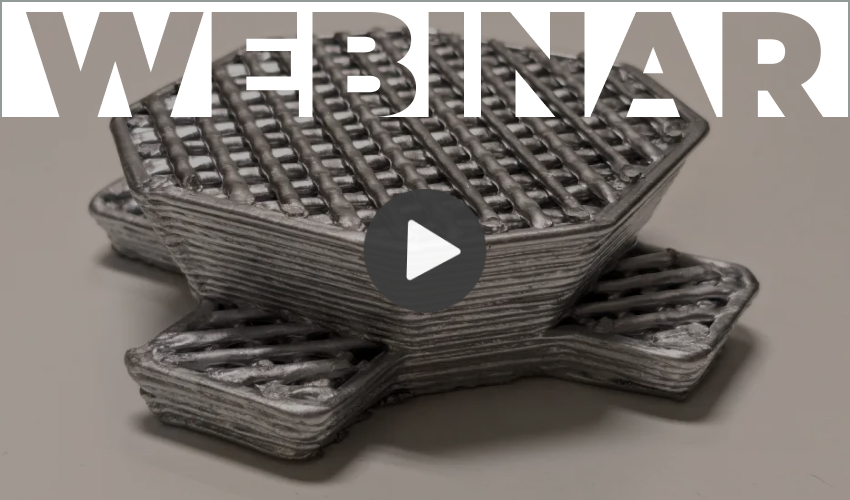 NewsWEBINAR: Aluminum AM Made Simple: Insights from Sirris and ValCUNAluminum is one of the most widely used metals in the world, yet it remains one of the most challenging materials for additive manufacturing. High thermal demands, alloy sensitivities, and complex workflows often push companies toward easier metals, even when…
 NewsTOP 5 videos of the week: Furniture, the great beyond and more!A new selection of the best 3D printing videos of the week, just for you! Find our TOP 5 videos of the week below and tell us what your favorite video is in a comment or on our Facebook and Twitter page.…
 NewsCoronavirus: which 3D printing events have been postponed?Events around additive manufacturing – trade fairs, conferences, meetups, maker faires – are important events for the sector allowing many players and users to exchange and discover the latest market trends and technologies. With the worldwide spread of the coronaviru
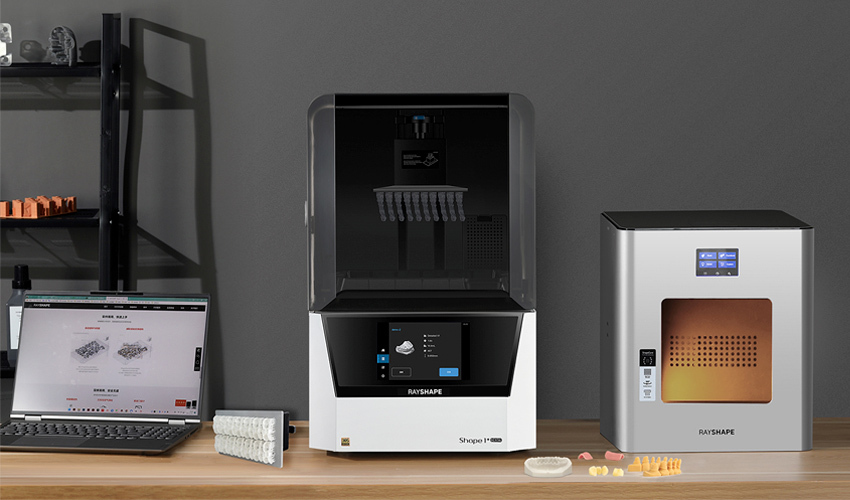 PrintersRAYSHAPE Strengthens its International Expansion With The Launch of its Shape 1+ SeriesIn recent months we have seen how the additive manufacturing industry continues to grow. This has taken place in a number of ways from acquisitions and collaborations of large companies in the sector to increased globalization and research into even…