Printers
The Best Machines for Recycling Plastic and Making Your Own 3D Printing Filament
Whether we like it or not, 3D printing generates waste. Failed parts, material purges, supports that end up in the trash, prints that no longer meet expectations. For a long time, that plastic had no other destination than the trash.…
- 3 min read
- Printers
- Six more stories
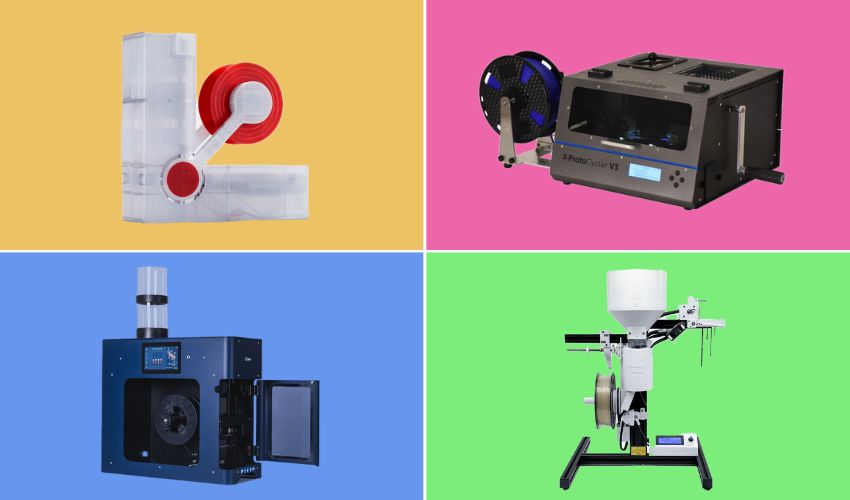
Whether we like it or not, 3D printing generates waste. Failed parts, material purges, supports that end up in the trash, prints that no longer meet expectations. For a long time, that plastic had no other destination than the trash. But the industry has been searching for years for a solution more in line with the sustainability principles many makers want to apply in their daily work: recovering that material, giving it a second life, and reintegrating it into the printing process as new filament.
That’s where filament recycling machines come in. They’re available as DIY kits for those who enjoy the process as much as the result, as well as ready-to-use commercial products. If you’ve been thinking about adding one to your workspace, this selection will help you get started. We’ve gathered some of the most interesting options on the market, with very different profiles in terms of price, technical skill level required, and compatible materials, so you can find the one that best suits your needs. The machines are listed in no particular order.
Polyformer
Developed by California-based industrial designer Reiten Cheng, the Polyformer is a fully open-source, 3D-printed filament recycler that converts discarded PET bottles into 1.75mm filament compatible with standard FDM printers. The goal is straightforward: give independent makers an affordable path to working with reclaimed material instead of purchasing new plastic. The machine works by using a stacked-bearing slicing tool that strips a bottle into a continuous ribbon, which is then fed into a repurposed hotend that thermoforms it into finished filament. Built almost entirely from 3D-printed components and off-the-shelf hardware common to desktop 3D printers, it’s an accessible DIY project with a modular architecture that allows individual components to be swapped or modified as needed. Want to build one? The full details and build guide are available HERE.
More from the desk
Six other notes from the rest of the bench.
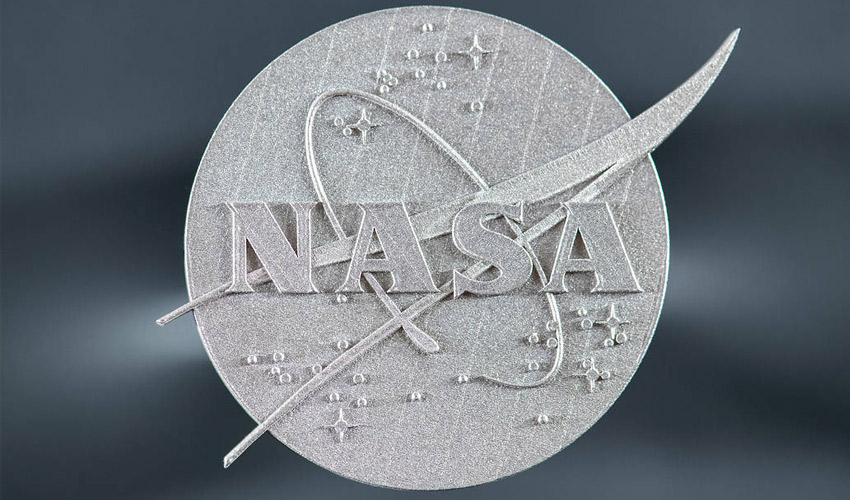 MaterialsNASA’s 3D Printed GRX-810 Superalloy Could Make Stronger Parts for Airplanes and SpacecraftA year ago, NASA unveiled a new alloy that it claimed was more resistant and durable, potentially making it perfect for demanding aerospace applications. Called GRX-810, it was created through 3D printing and oxide dispersion, which would significantly improve its…
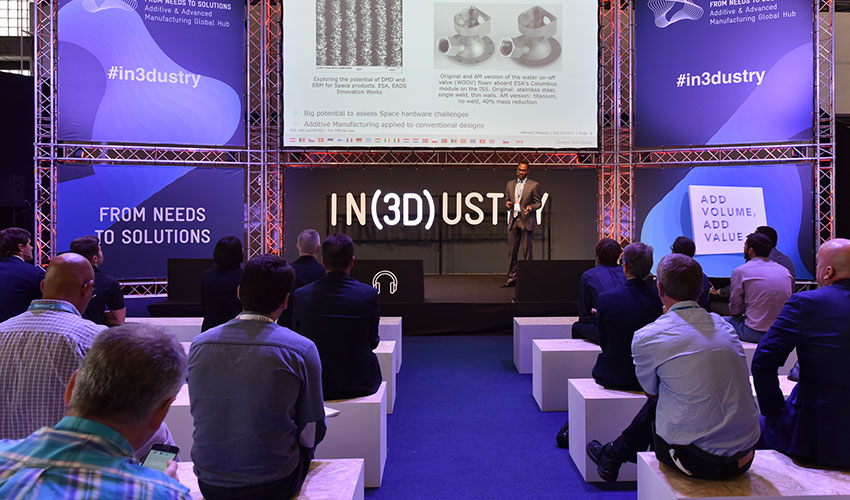 NewsIN(3D)USTRY: 3rd edition of the event, bringing actors of 3D printing togetherThis third edition of the “IN(3D)USTRY From Needs to Solutions”, is going to take place this month. The event that brings together the main actors of additive manufacturing in the world is happening in the city of Barcelona the next 16…
 NewsTop 5 Videos: 3D printing against COVID-19This week we found the top 5 videos about 3D printing and the way additive manufacturing is changing production. The technology has infiltrated many sectors, from medical to automotive – check our selection of the week to keep up with the innovations! If you enjoy these, you&hell
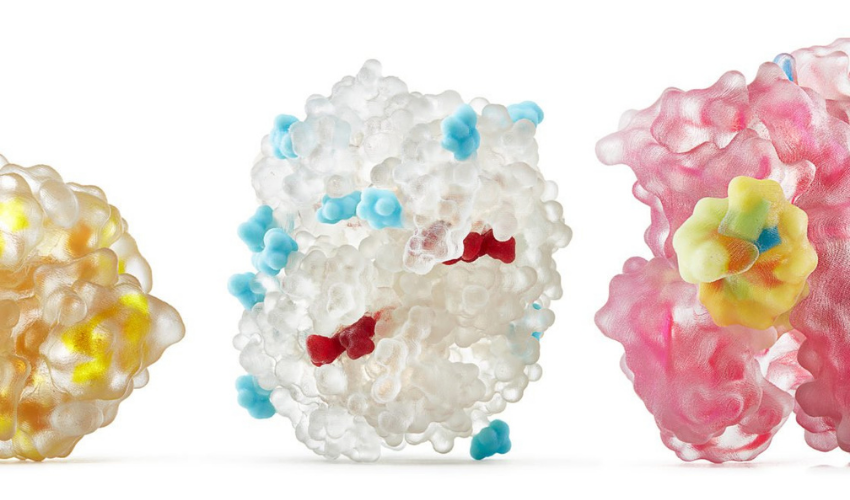 ApplicationsArmor Bionics and Shapeways Partner to Make Accurate, 3D-Printed Medical ModelsShapeways has announced that they have entered an agreement to be Armor Bionics’ exclusive 3D printing manufacturer. The leader in digital manufacturing, known for its on-demand manufacturing in industries as vast as medical, robotics, architecture, jewelry and gaming, will
 NewsAdditive manufacturing is gradually growing in the Oil industryThe consulting firm GlobalData recently published a study on additive manufacturing in the Oil & Gas industry, which reveals that the sector is expected to reach $32 billion worldwide by 2025, and over $60 billion by 2030. These are very…
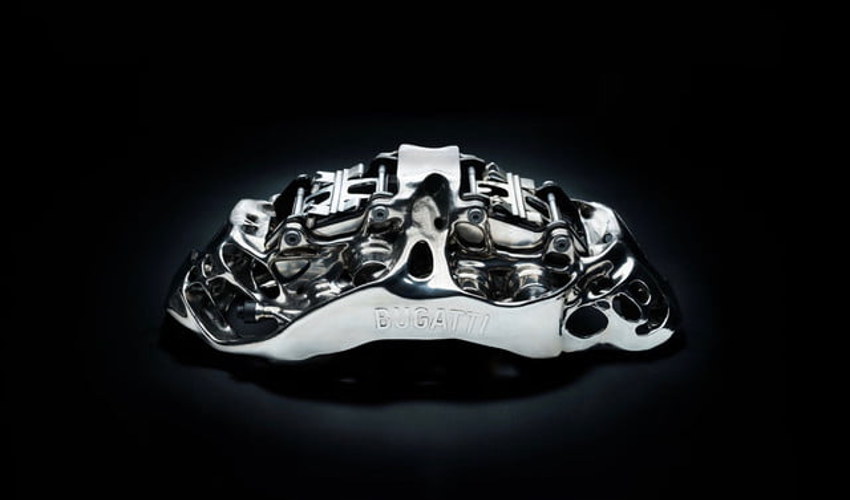 MaterialsBugatti Create Titanium 3D Printed Brake CaliperBugatti are without a doubt one of the most extraordinary car companies to ever exist. Their cars are faster than anything else, whilst still being luxurious and aesthetically stunning. Recently however, Bugatti have announced that they created the world’s first…