Materials
Rapid Fusion Talks Using Pellets for Large-Format Additive Manufacturing
If asked which two trends have been dominating the polymer 3D printing sector, the answer would be obvious: pellets and large-format additive manufacturing (LFAM). In recent years, we have seen machines getting larger for even more applications in sectors like…
- 3 min read
- Materials
- Six more stories
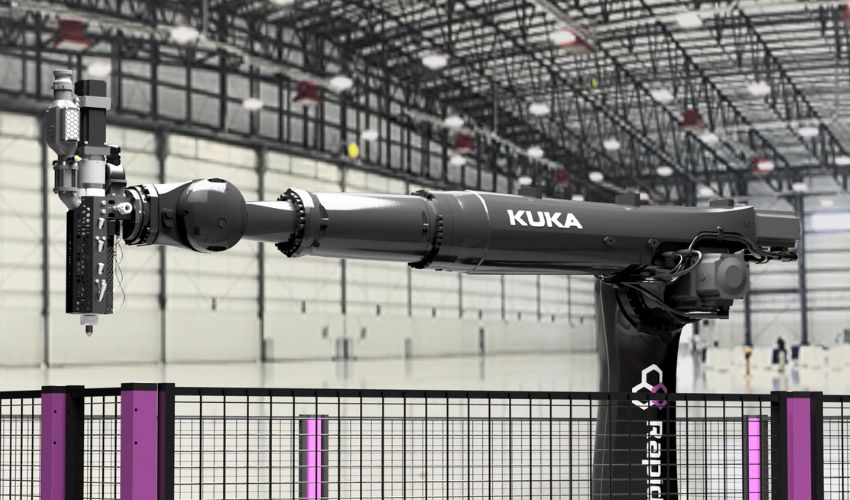
If asked which two trends have been dominating the polymer 3D printing sector, the answer would be obvious: pellets and large-format additive manufacturing (LFAM). In recent years, we have seen machines getting larger for even more applications in sectors like maritime and automotive. At the same time, pellets have become a popular extrusion material choice. This is not just because they are often cheaper and have a wider range of properties than their filament counterparts, but also because they are particularly suited to LFAM. One company that recognizes this more than most is Rapid Fusion, which has developed its own solutions to print large-scale projects with a range that includes everything from extruders all the way to its new all-in-one cell. We spoke with the founder of the company to learn more.
3DN: Could you introduce yourself and your connection to 3D printing?
Hi, my name is Jake Hand, and I am the founder and manager director for Rapid Fusion, an advanced robotic additive manufacturing company based in the UK.
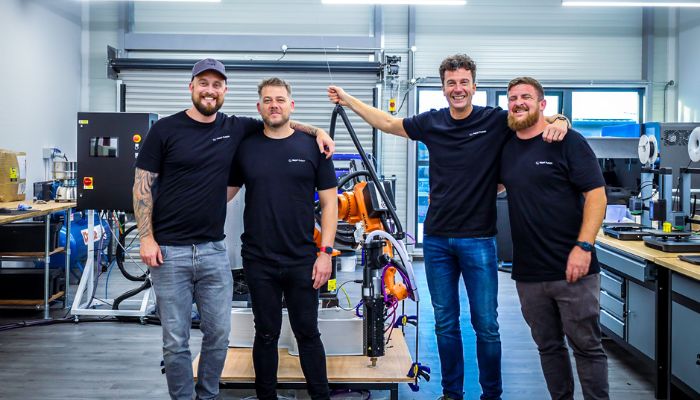
The Rapid Fusion team including Jake Hand (on the far left)
3DN: How did Rapid Fusion come about?
The story of Rapid Fusion begins with Evo3D, the sister company, which we founded in November of 2021. Through that, we specialize in reselling large-format additive products. And it helped us realize that there was a gap in the market for a manufacturer to produce.
More from the desk
Six other notes from the rest of the bench.
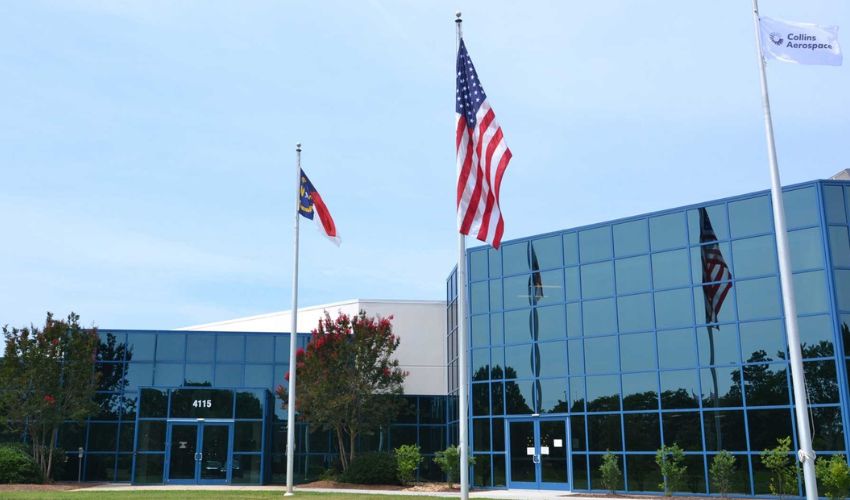 ApplicationsCollins Aerospace Opens New Additive Manufacturing CenterAmerican company Collins Aerospace recently announced the opening of its new additive manufacturing center located in Monroe, North Carolina. The company, which is a subsidiary of the multinational Raytheon Technologies Corporation, opened the additional location for the expansio
 GuidesUpprinting Food, Using Food Waste to 3D Print Sustainable MealsUpprinting Food is a startup that was developed in the Netherlands. Its main objective is to create 3D printed dishes from all kinds of food waste. Elzelinde van Doleweerd and Vita Broeken are behind this circular economy project that aims…
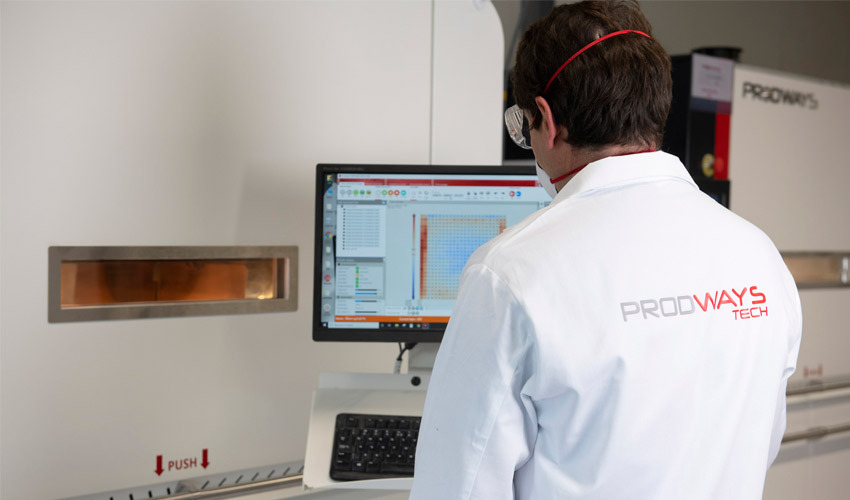 PrintersProdways Introduces the ProMaker P1000 S to Democratize SLS for Industrial ProductionThe French manufacturer Prodways introduced its brand new 3D SLS printer, the ProMaker P1000 S, at Formnext Digital Days. Designed to make SLS additive manufacturing more accessible, this new industrial solution is reliable, ergonomic, flexible and adapted to industrial productio
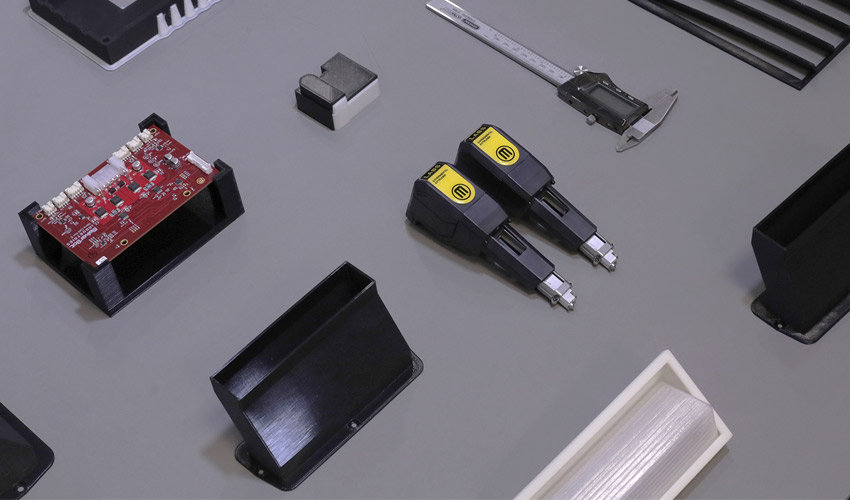 MaterialsMakerBot expands technical materials compatible with its machinesThe American manufacturer MakerBot made its comeback last year by presenting a new 3D printer called METHOD, it is a desktop machine, yet a professional solution. During Formnext 2019, the company launched an experimental extruder designed by MakerBot LABS and…
 ApplicationsNTU’s Likelike 3D Printed Hearts Transform Surgeon Training3D printing has made a remarkable impact in the medical field. From the training of future doctors to new and improved medical techniques, this technology has proved to be an increasingly valuable tool. Recently, a team of researchers at Nottingham…
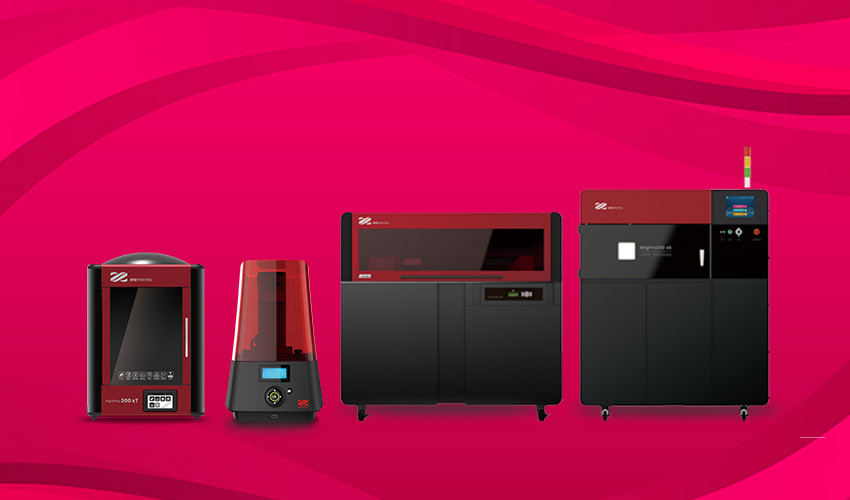 PrintersXYZPrinting unveils disruptive 3D printers for the professional marketWith the launch of its new range of colour 3D printers a few months ago, the Asian company XYZprinting is providing competitive solutions for the professional market. The company aims to repeat the success of its desktop products with its…