Applications
NTU’s Likelike 3D Printed Hearts Transform Surgeon Training
3D printing has made a remarkable impact in the medical field. From the training of future doctors to new and improved medical techniques, this technology has proved to be an increasingly valuable tool. Recently, a team of researchers at Nottingham…
- 3 min read
- Applications
- Six more stories
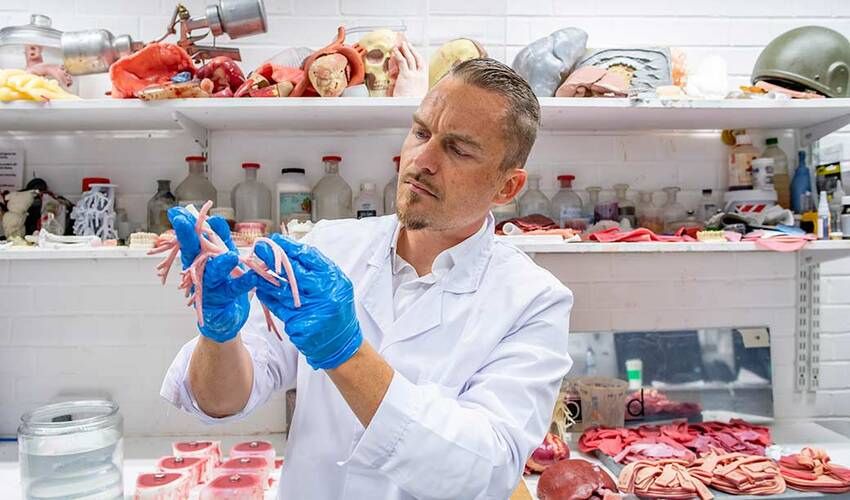
3D printing has made a remarkable impact in the medical field. From the training of future doctors to new and improved medical techniques, this technology has proved to be an increasingly valuable tool. Recently, a team of researchers at Nottingham Trent University (NTU) in the UK designed an artificial heart to train doctors in transplant surgery. This 3D printed model, crafted from materials like silicone and tissue, faithfully replicates the behavior of a natural human heart, mimicking its pulsation and blood flow. The aim of this research is to enable surgeons to familiarize themselves directly with the technical aspects of this type of surgery, in order to improve transplant results.
In general, surgeons typically train using cadavers or animal specimens, but these options have limitations in providing realistic training scenarios. Recognizing this challenge, researchers at Nottingham Trent University turned to 3D printing as a solution for creating lifelike surgical training models. Spearheaded by Richard Arm, a former film visual effects artist, the project focuses on developing 3D organ models that accurately replicate the behavior of real organs. Arm’s latest creation, a heart model, stands out as the closest match to the intricate characteristics of the human heart yet achieved.
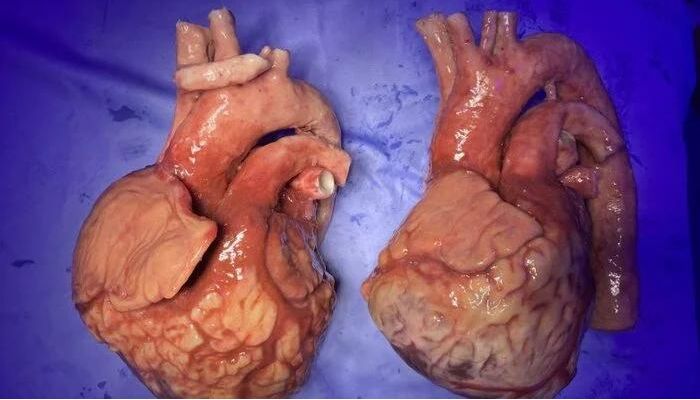
How Are 3D Printed Hearts Made?
The heart models are specially designed to take account of patients’ specific conditions. In other words, these artificial organs reproduce patients’ pathological conditions to help doctors in their treatment. By simulating bleeding during incisions, these models recreate real-world scenarios, allowing practitioners to refine their skills and practice techniques for controlling bleeding effectively. Moreover, these models feature realistic tactile characteristics thanks to texture variations that reflect the diversity of heart tissue.
More from the desk
Six other notes from the rest of the bench.
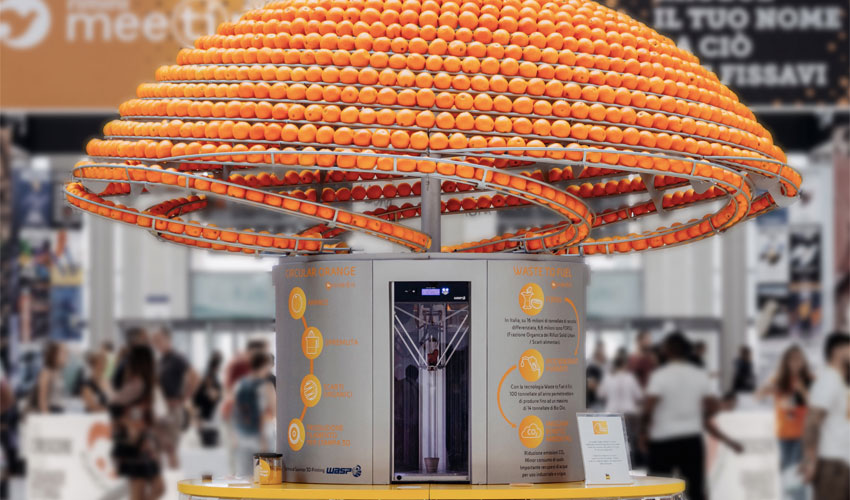 MaterialsA juice bar transforms orange peels into 3D printed cupsWould you like an orange juice squeezed into a 3D printed cup? This is the project imagined by the architect Carlo Ratti who developed a rather special juice bar, this one allows for orange peels to be transformed into 3D…
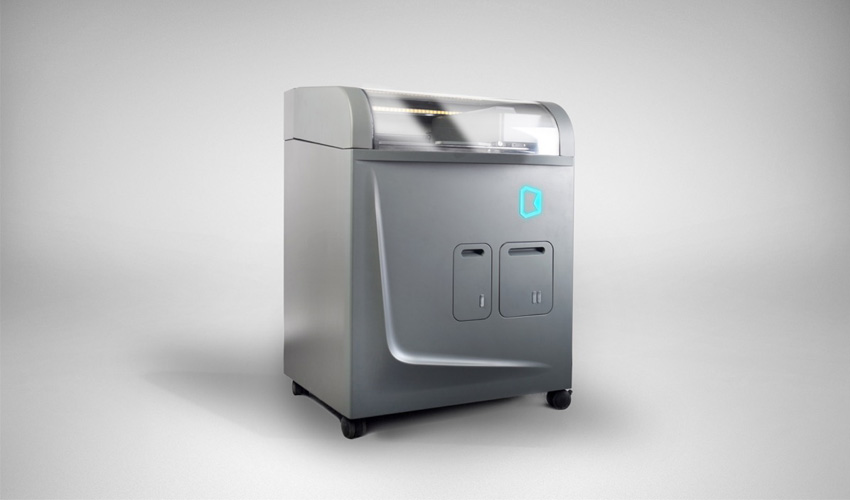 NewsCeramo One: The Industrial Ceramic 3D Printer by KwambioNew York-based startup Kwambio have unveiled their Ceramo One industrial ceramic 3D printer. Kwambio specialise in metal 3D printing and ceramic printing of jewelry and other decorative objects. This exciting new Ceramo One 3D printer is expected to be available…
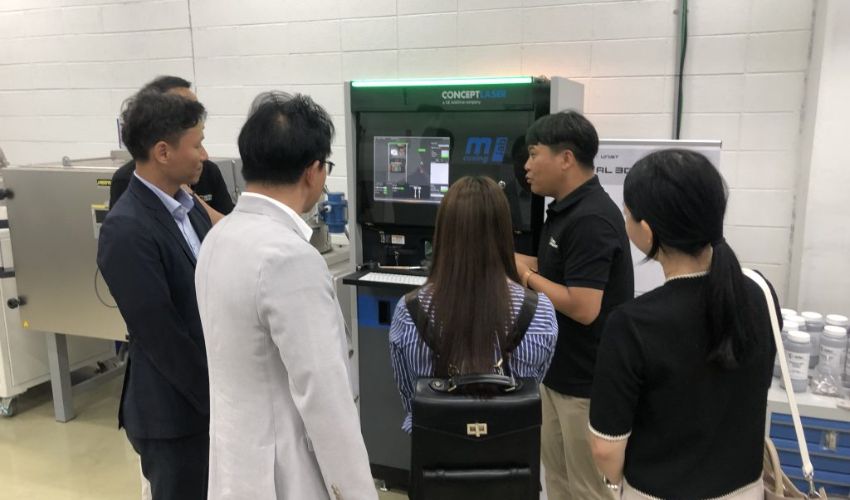 ApplicationsNew Research Underway in South Korea on Advanced 3D Printed Medical DevicesThe adoption of additive manufacturing within the medical sector is a headline that has become more and more common as researches and companies around the world look for innovative and efficient ways to help and heal. Among the frontrunners, South…
 Guides#3DStartup: Fluent Metal and its Powder- and Laser-Free Metal 3D Printing TechnologyMetal additive manufacturing brings its share of benefits to the industry, with several processes, all of which are suited for different needs and constraints, falling under its umbrella. While powder-based processes are mainly favored by professionals, others are gaining ground.
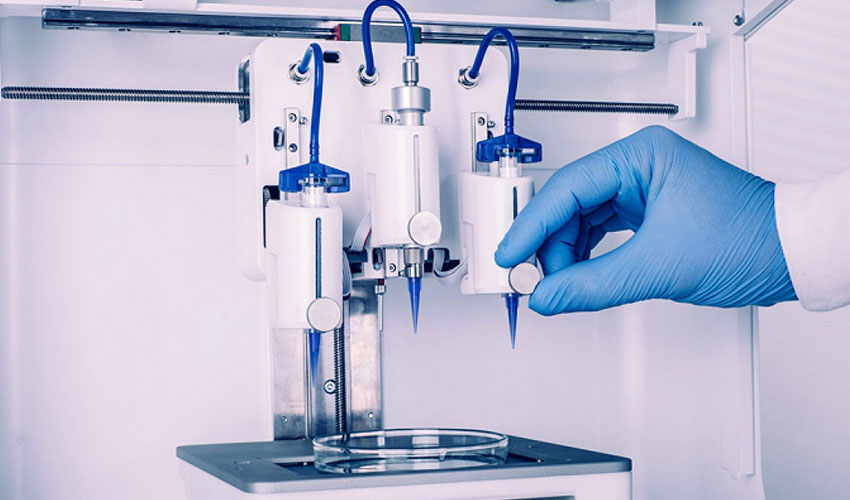 PrintersCELLINK, providing researchers with affordable bioprinting technologyRecently, CELLINK, based in Boston, launched the BIO X6 bioprinting platform. This six-printhead bioprinting platform enables users to combine more materials, cells and tools than other systems currently available on the market. In fact, the company specialises in designing and&h
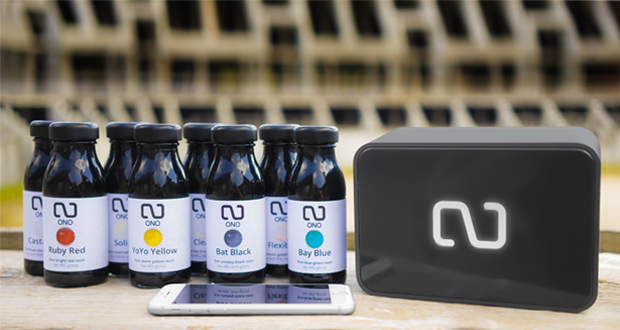 Guides3Dnatives exclusive interview with ONO, the 3D printer that uses your smartphoneONO was created by Pietro Gabriele and Filippo Moroni, two men who imagined a 3D printer that you could use with your smartphone! Unveiled at Maker Faire New York in 2015, the concept (then known as OLO) knew that it…