Guides
Prothesia Facilitates Access to Orthotics and Prosthetics in Latin America
Gone are the traditional methods of manufacturing orthoses and prostheses. 3D printing has made it possible to create these types of medical devices, making them lighter, stronger and adjustable to the specific needs of each person. Prothesia, a Mexican company,…
- 3 min read
- Guides
- Six more stories
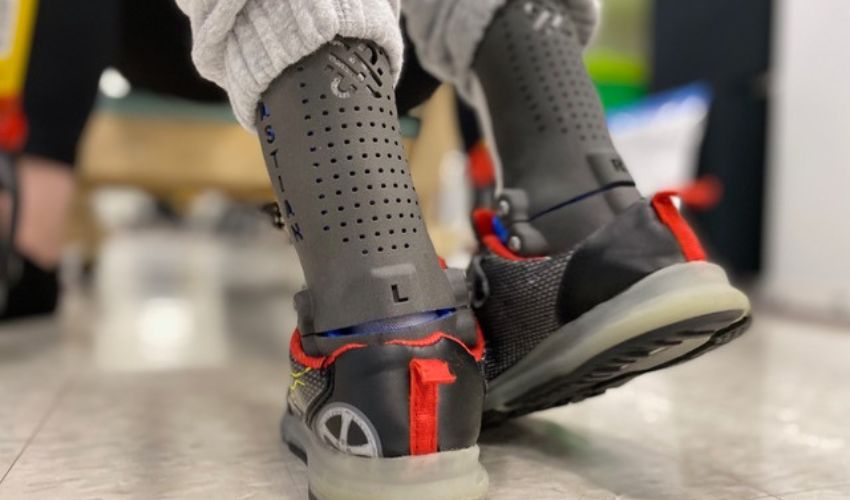
Gone are the traditional methods of manufacturing orthoses and prostheses. 3D printing has made it possible to create these types of medical devices, making them lighter, stronger and adjustable to the specific needs of each person. Prothesia, a Mexican company, takes advantage of technology to offer better solutions to people with amputations or mobility problems. In addition to manufacturing, Prothesia functions as a network that connects patients with the best prosthetists and doctors in Mexico, Colombia and Argentina. We spoke with its CEO, Francisco Valencia, who shared with us Prothesia’s work.
3DN: Could you introduce yourself and tell us about your relationship with 3D printing?
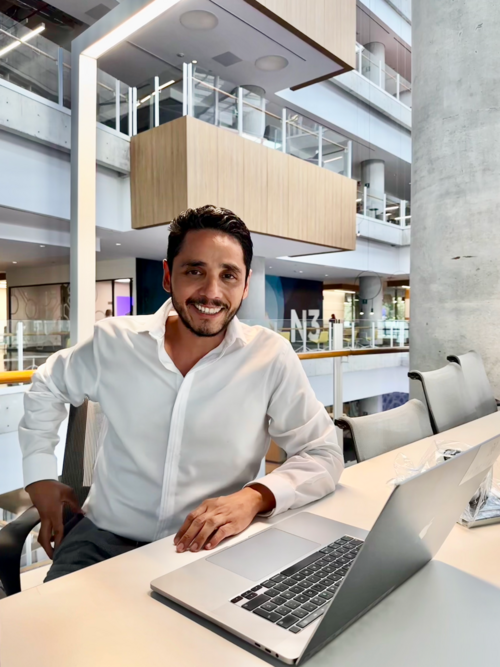
Hi! I’m Francisco Javier Valencia Valdespino, and I started 3D printing thanks to a fellow mechatronics engineer, Gustavo. Gus was about to leave his life in Mexico for a year to travel to Asia as a missionary. Among the things he left behind was his printer, which he donated to me. I gladly accepted and put it to work to generate income to support my friend in his project. This led me to start a 3D printing agency in 2017, printing everything from art, anatomical models and ankle foot orthoses. The relationship with 3D printing became closer, more interesting, and it demanded more and more of my time (and money), but it didn’t matter as long as the machine finished a job successfully.
The feeling of waking up in the morning and seeing the finished 8-hour piece was like being on Christmas Eve and looking forward to Christmas every morning, although sometimes that piece ended up being a big spaghetti. This last part taught me the value of iterations, resilience and having version control not only for prototypes, but for all projects that were to come. This led me to explore open source projects like Enable, which sparked a great curiosity of printing medical devices, something that would have more impact than a Pikachu keychain or a vase, something that was of interest to me since I come from a family that works in the healthcare system. Being able to use my engineering knowledge for healthcare was something I was very excited about.
More from the desk
Six other notes from the rest of the bench.
 NewsA 3D Printed Aerospike Nozzle Rocket Engine Ready to Take FlightSpanish startup Pangea Aerospace and the company Aenium have signed a partnership to develop and industrialize advanced 3D printed combustion devices made from innovative materials. Together, they have designed a 3D printed aerospike nozzle rocket engine that should be 15%&hellip
 News3D Printed ‘Body-on-Chip’ Could Mean the End of Animal TestingThanks to additive manufacturing, experiments on living animals could potentially be replaced by a far more ethical method of drug testing. Scientists at the University of Edinburgh have succeeded in developing a 3D-printed “body-on-chip” that imitates the course of a
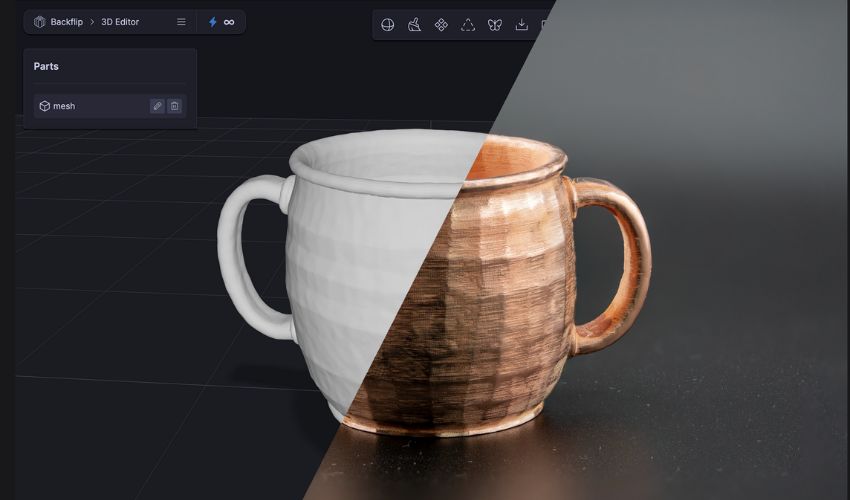 SoftwareBackflip Promises Groundbreaking Solution for AI-Generated 3D ModelsLast December, Markforged cofounders Greg Mark and David Benhaim made headlines by launching their new startup, Backflip. What’s more, the company received $30 million in Series A funding. Given the pair’s astounding success with Markforged—a company that pioneered me
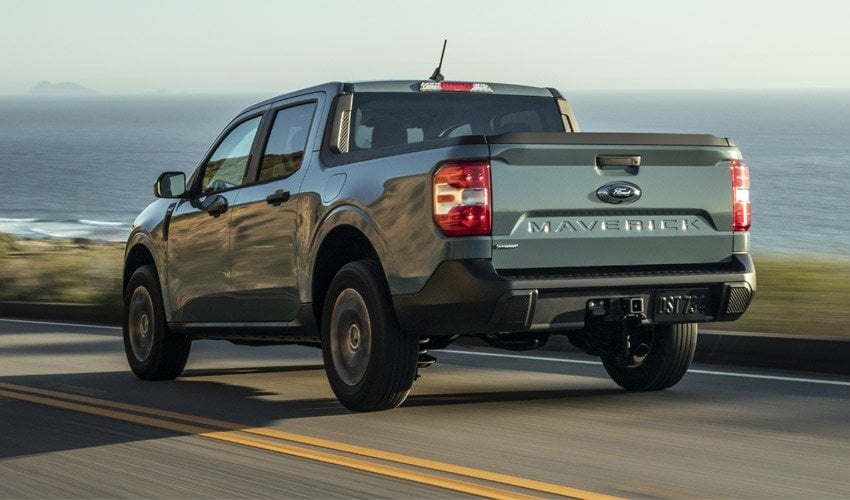 ApplicationsFord Makes 3D Files Available to Customize Your MaverickAt the beginning of the year, the car manufacturer Ford introduced its brand new pickup truck, the Maverick, a hybrid vehicle that aims to be both accessible and practical. It performance has already gained it fans among many drivers, but…
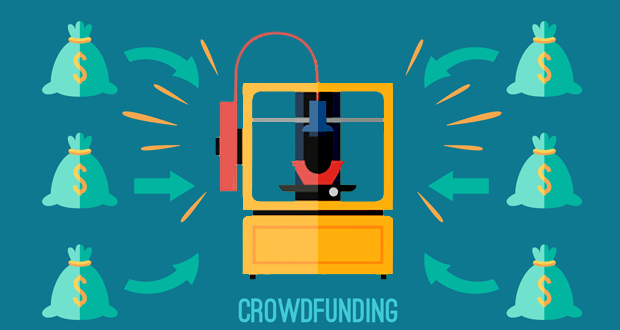 NewsCrowdfunding: An accelerator for 3D printing?3D printing is a fascinating technology that gives its users unlimited possibilities to further one’s creative aspirations or to provide the push needed to completely revolutionize an entire industry. With the possibilities that 3D printing offers, it is no surprise…
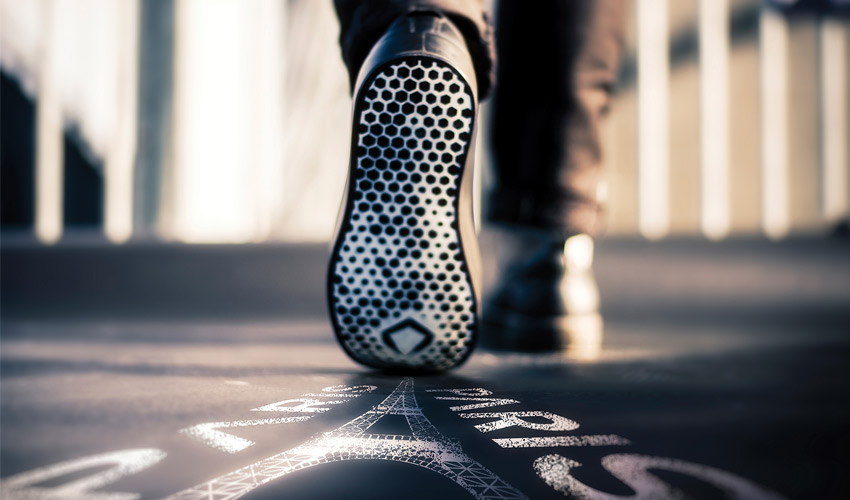 NewsCustomised and 3D Printed Insoles from ECCOThe Danish shoe manufacturer, ECCO showcased its customised shoes at Bon Marché Rive Gauche in Paris. For the first time in Europe, visitors will be able to test QUANT-U, a project in collaboration with Dassault Systèmes, which aims to create…