News
3D Printed ‘Body-on-Chip’ Could Mean the End of Animal Testing
Thanks to additive manufacturing, experiments on living animals could potentially be replaced by a far more ethical method of drug testing. Scientists at the University of Edinburgh have succeeded in developing a 3D-printed “body-on-chip” that imitates the course of a
- 3 min read
- News
- Six more stories
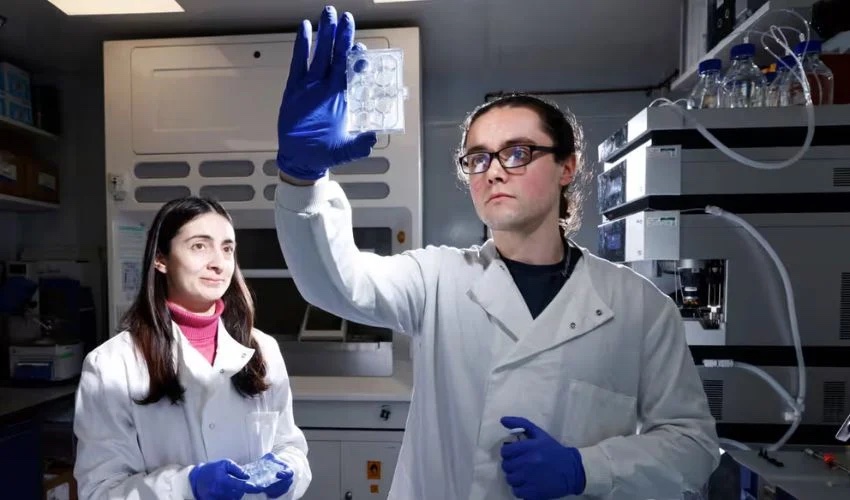
Thanks to additive manufacturing, experiments on living animals could potentially be replaced by a far more ethical method of drug testing. Scientists at the University of Edinburgh have succeeded in developing a 3D-printed “body-on-chip” that imitates the course of a drug through the human body and thus examines its effect and tolerability. The plastic chip makes it possible to test different types of medication.
With the help of this new innovation, no longer will animals have to suffer for these tests in order to advance the medical field. Especially since now the behavior of organs can now be analyzed by researchers in a safer way. Indeed, the “Body-On-Chip” device was developed as part of a doctoral scholarship in collaboration with the National Centre for Replacement, Refinement and Reduction of Animals in Research (NC3Rs) and with financial support from Unilever.
This innovation developed in the Scottish capital marks a world first in both healthcare and medical research. The newly developed chip comprises five chambers, which were produced with the help of a 3D printer. The individual components are designed to replicate the human heart, brain, kidneys, lungs and liver. The channels connecting the various organ compartments are used to spread medication.
More from the desk
Six other notes from the rest of the bench.
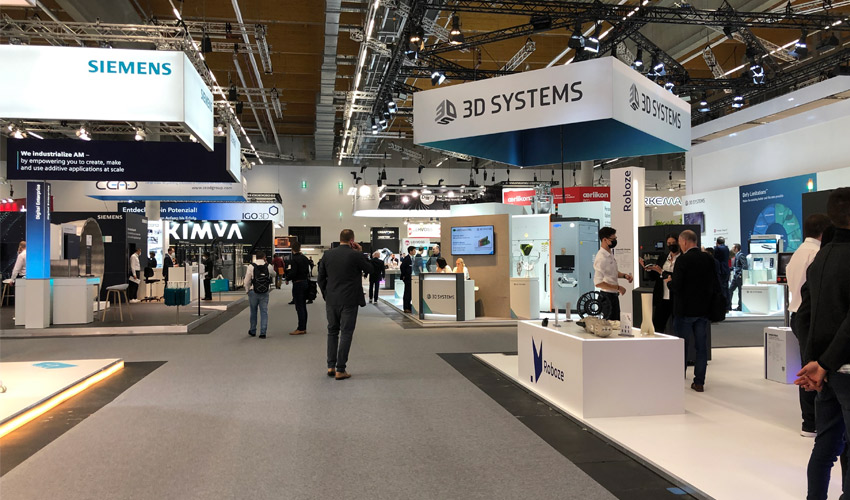 NewsFormnext 2021: A More Mature Exhibition Focused on IndustrializationFormnext 2021 closed its doors last Friday after 4 days of meetings and exchanges. This edition brought together 600 exhibitors from 35 different countries, spread over 3 halls of the Frankfurt Messe, along with about 17.8k visitors from 76 countries.…
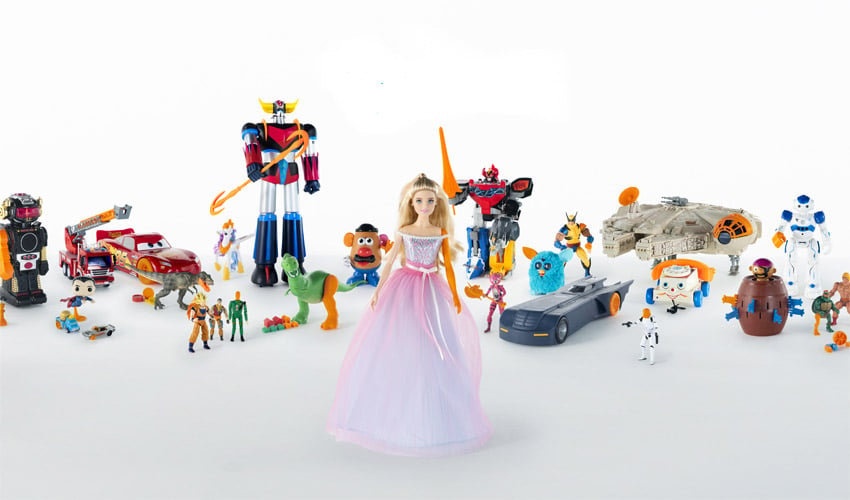 NewsToy Rescue, a platform to create spare parts for your toysThe French manufacturer Dagoma has launched an initiative called Toy Rescue to reduce the number of toys thrown away each year. The manufacturer will make the spare parts to repair broken toys available so that instead of going to the…
 NewsSingapore’s First 3D Printed Pedestrian Bridge Is Coming SoonIt won’t be built for another two years, but it’s already generating buzz! The first 3D-printed pedestrian bridge in Singapore is slated to be unveiled in 2028, spanning the Jurong River and connecting two new residential districts. This project, led…
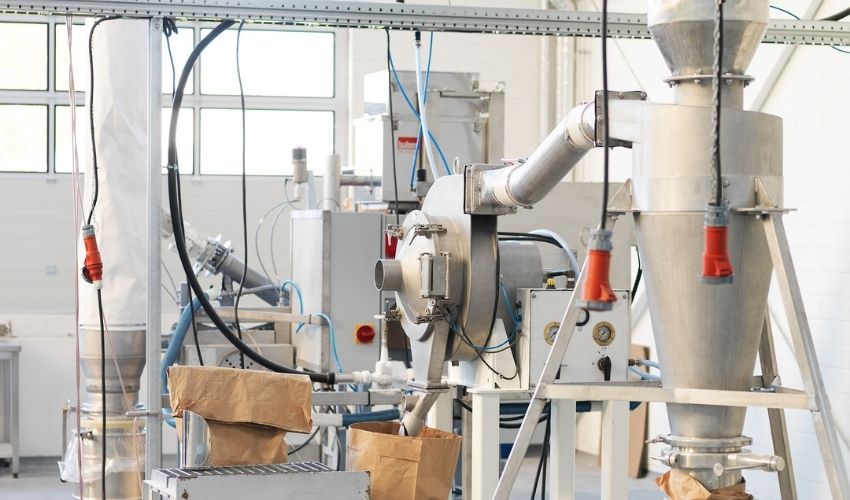 GuidesDressler Group on the Importance of Contract Grinding for Additive ManufacturingWhen it comes to the quality of additively manufactured components, one thing above all makes a difference: the material used. For binder jetting, HP’s Multi-Jet Fusion technology or selective laser sintering (SLS), this means that the powders used are critical…
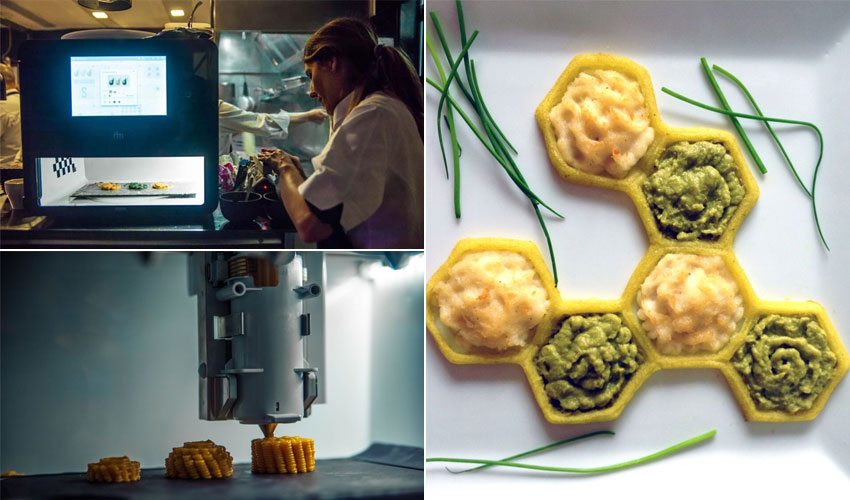 NewsA guide to 3D Printed Food – revolution in the kitchen?We all remember the Replicator, the Star Trek food manufacturer, able to turn any molecule into edible food and whole dishes. 3D food printing is able to make dishes from different pastes and materials, so it seems we are getting…
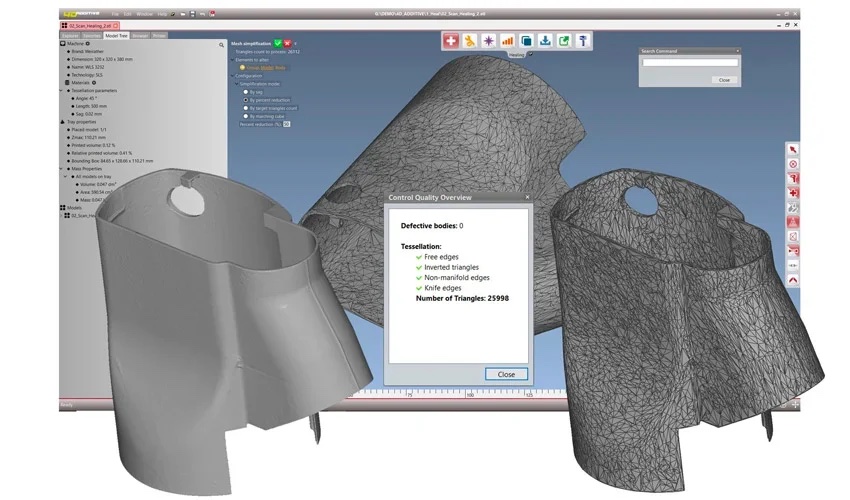 Software4D_Additive Now Includes Features to Repair 3D FilesFrench-German company CoreTechnologie is adding new features to its CAD software, 4D_Additive, which is designed specifically for additive manufacturing. 4D_Additive 1.4, the latest version of the software, can now repair and simplify 3D scan data and STL files with a…