News
A 3D Printed Aerospike Nozzle Rocket Engine Ready to Take Flight
Spanish startup Pangea Aerospace and the company Aenium have signed a partnership to develop and industrialize advanced 3D printed combustion devices made from innovative materials. Together, they have designed a 3D printed aerospike nozzle rocket engine that should be 15%&hellip
- 3 min read
- News
- Six more stories
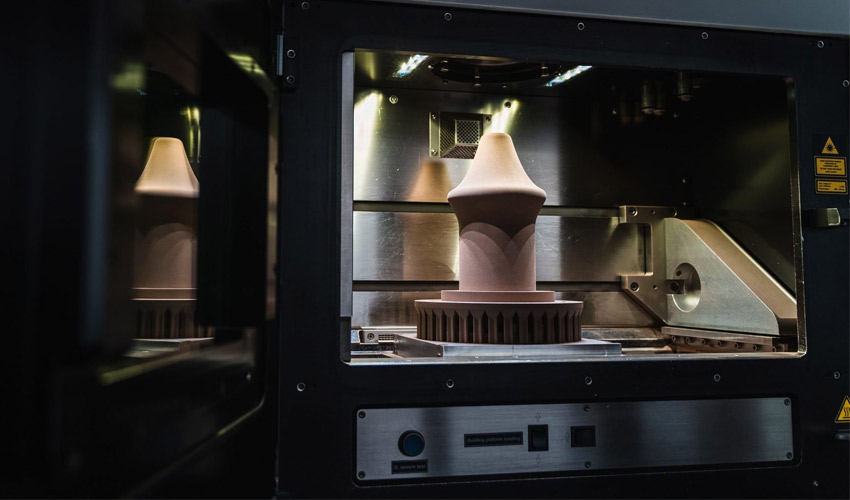
Spanish startup Pangea Aerospace and the company Aenium have signed a partnership to develop and industrialize advanced 3D printed combustion devices made from innovative materials. Together, they have designed a 3D printed aerospike nozzle rocket engine that should be 15% more efficient than those traditionally produced. The two partners intend to accelerate the development of their solution and continue their research on 3D printing materials, particularly superalloys.
Pangea Aerospace is a young company based in Barcelona that aims to develop more efficient and modern rocket engines to meet the needs of the aerospace industry. After raising 3 million euros, it has formalized its partnership with Aenium, an engineering company specializing in additive manufacturing technologies and complex materials science. The goal is to advance the entire manufacturing process around advanced combustion devices, using 3D printing answering questions like: how can you qualify 3D printed parts? How to industrialize them?
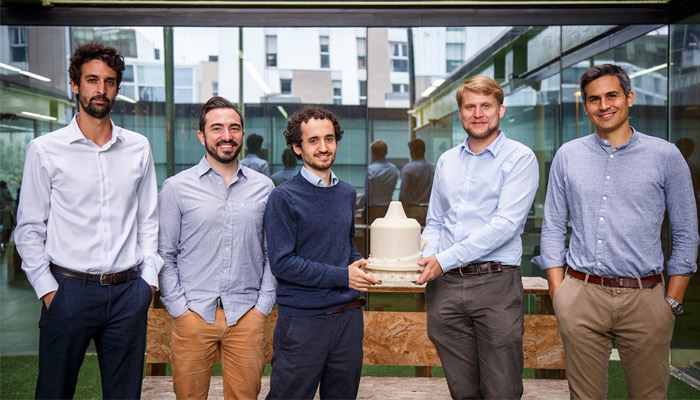
Pangea Aerospace teams have raised 3 million euros
A 3D printed aerospike engine
Pangea Aerospace has produced a preliminary 3D printed aerospike demonstrator with the objective of a hot combustion test by the end of 2021. Called DemoP, it is a liquid oxygen and methane demonstrator that should allow for the characterization of several materials and processes (such as the use of 3D printing or methane as a fuel), a crucial point in the aerospace sector. Aenium is developing a dual regenerative cooling system. Both partners claim that this aerospike engine is 15% more efficient, faster to produce and less expensive. This is good news for the aerospace industry, which until now has not flown aerospike engines because of the difficulty of cooling this type of nozzle.
More from the desk
Six other notes from the rest of the bench.
 NewsWomen in 3D Printing Publish Report on the AM Gender Pay GapYesterday, we celebrated International Women’s Day, highlighting the many accomplishments of women in additive manufacturing. However, that does not mean the work is done. This can be seen in Women in 3D Printing (WI3DP)’s latest Diversity for AM (DfAM) report…
 GuidesAutomated Depowdering Systems for 3D Printed PartsPost-processing after 3D printing is crucial for ensuring the quality and durability of the produced parts. This phase, occurring after printing, involves various processes such as cleaning, surface treatment, and removal of support structures. It is essential for all types&helli
 SoftwareOnshape: All You Need To Know Before Getting StartedOnshape is a cloud-based computer-aided design (CAD) software. Using web-based servers, software users can collaborate on a single model, editing and interacting at the same time. The program is intended for many industries looking to design products, machine parts, industrial&he
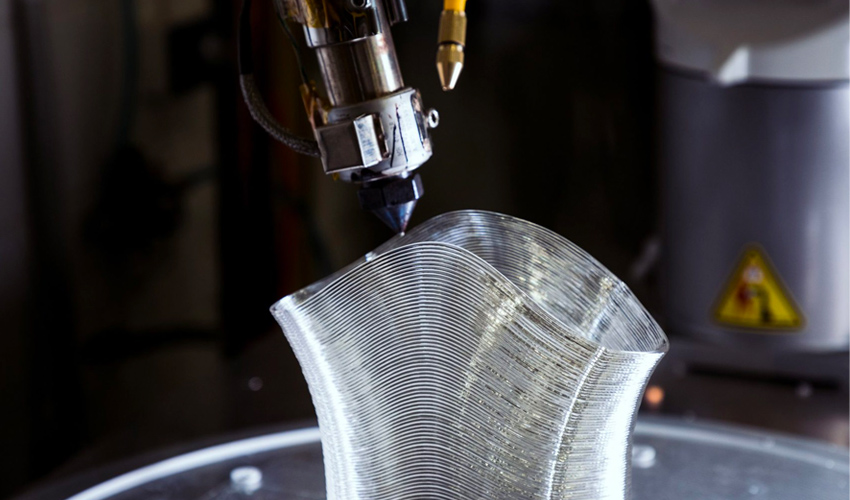 NewsSystems Reef 2, an Innovative “Breathing” Ventilation System Made Using 3D PrintingWhen it comes to finding new applications for 3D printing, there truly seems to be no limit. Case in point, the Australian architectural firm BVN and the University of Technology Sydney (UTS) have developed Systems Reef 2, an air distribution…
 MaterialsAM of the Future: Cubic Ink® on High-Performance MaterialsCubic Ink® is part of the specialized chemicals company ALTANA and aims to produce high-performance materials for additive manufacturing that are suitable for various applications. To find out exactly what Cubic Ink® materials are all about, we had the opportunity…
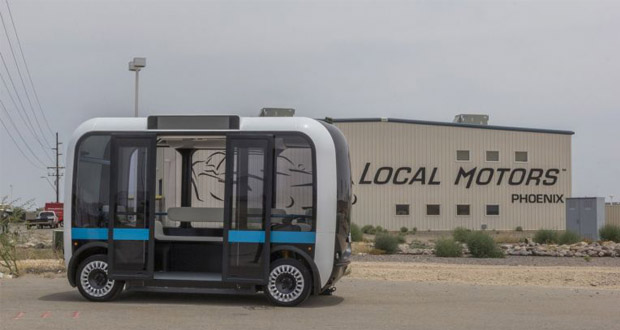 ApplicationsLocal Motors creates the first 3D printed shuttle in Knoxville, TennesseeManufacturing company Local Motors is creating quite the buzz in the additive manufacturing world, after successfully producing the first autonomous shuttle bus ‘Ollie’ in their micro-factory located in Knoxville, Tennessee. In 2016, Local Motors began manufacturing t